A "fridge thermostat 1 to 5" describes a common residential thermostat design using a 5-level dial (labeled 1 to 5) to simplify temperature adjustment, catering to users who prefer intuitive controls over precise numerical settings. Each level corresponds to a predefined temperature range, though ranges vary by brand and region to adapt to local climate and user habits. Typically, Level 1 (lowest setting) maintains 6°C to 8°C—ideal for mild climates or users who prioritize energy efficiency—while Level 5 (highest setting) cools to 2°C to 3°C, suitable for hot climates, storing perishables (e.g., raw meat, dairy), or during peak summer use. Intermediate levels (2-4) offer gradual adjustments: Level 2 (5°C-7°C), Level 3 (4°C-6°C), Level 4 (3°C-5°C). Critical to user experience is consistency across brands, though subtle variations exist: European brands (e.g., Bosch, Siemens) often calibrate Level 3 to 4°C (the EU-recommended safe temperature for food storage), while North American brands (e.g., GE, Maytag) may set Level 3 to 5°C to align with local user preferences. Mechanical versions (most common) use a bimetallic strip to trigger compressor cycles, with durability focused on resisting wear from frequent dial turns. Electronic variants (growing in popularity) retain the 1-5 dial but pair it with an internal digital sensor, delivering ±0.5°C accuracy and a hidden LED display (showing actual °C/°F) for users who want both simplicity and precision. Aftermarket models cost \(25-\)50, with packaging clearly listing compatible fridge brands and their specific temperature ranges for each level—reducing confusion for global users replacing old thermostats. Compliance with regional safety standards (UL 60335-2-24, EN 60335-2-24) ensures reliability across markets.

18
Feb
04
Mar
25
Apr
11
Jul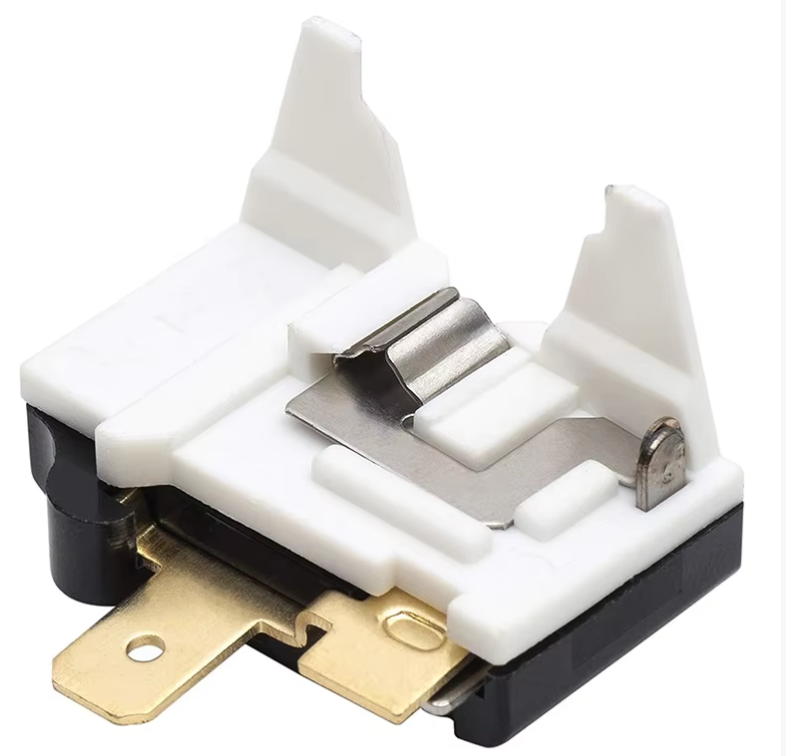
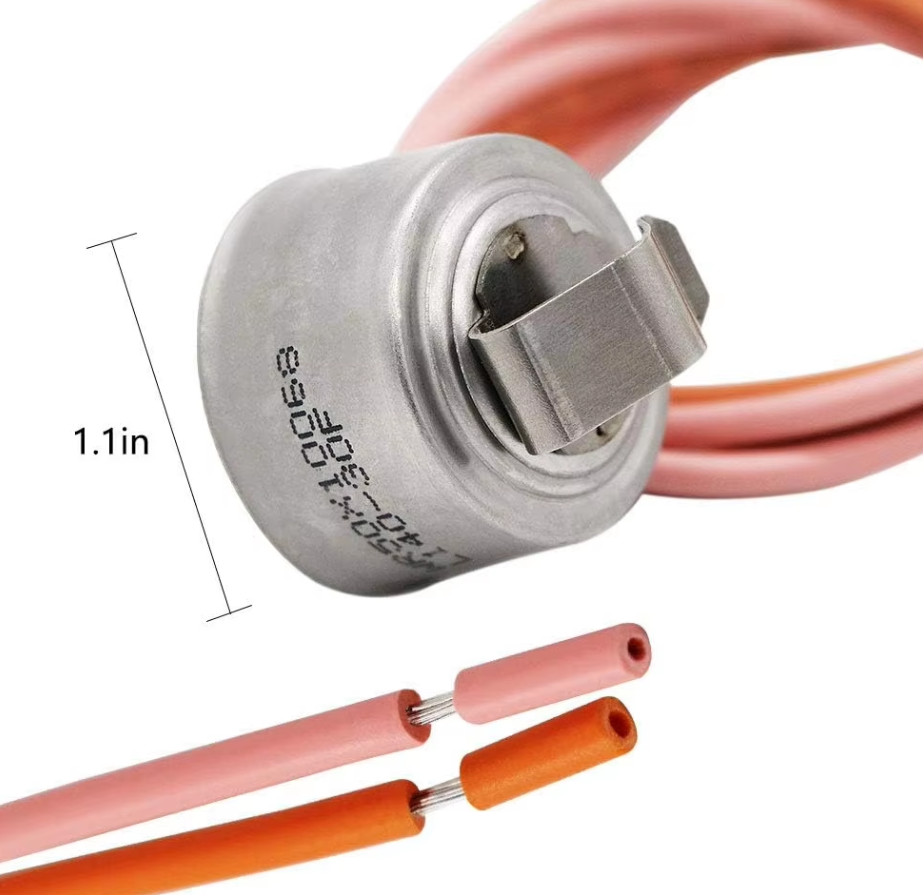
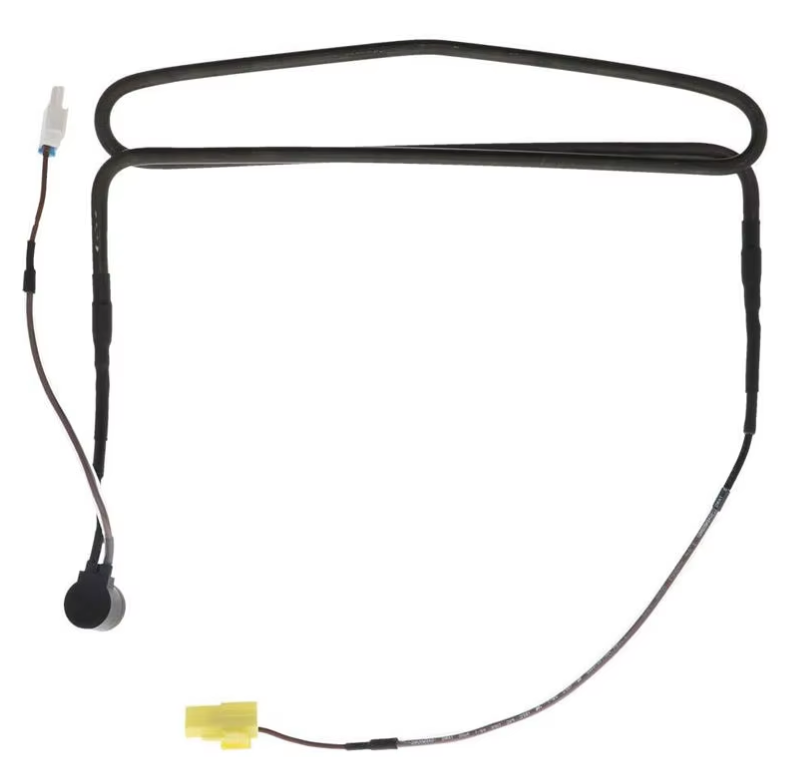

Jointgo is a leading home appliance parts factory with over 20 years of production experience. We specialize in manufacturing dryer parts, washing machine parts, kitchen appliance parts, etc. Factory direct sale, wholesale price, fast shipment. Our products are compatible with major brands like Whirlpool, LG, and Samsung. Customization services are available. Trust us for all your home appliance parts needs.
Copyright © 2025 by Ningbo Jointgo Electronics Co., Ltd. Privacy Policy
 EN
EN