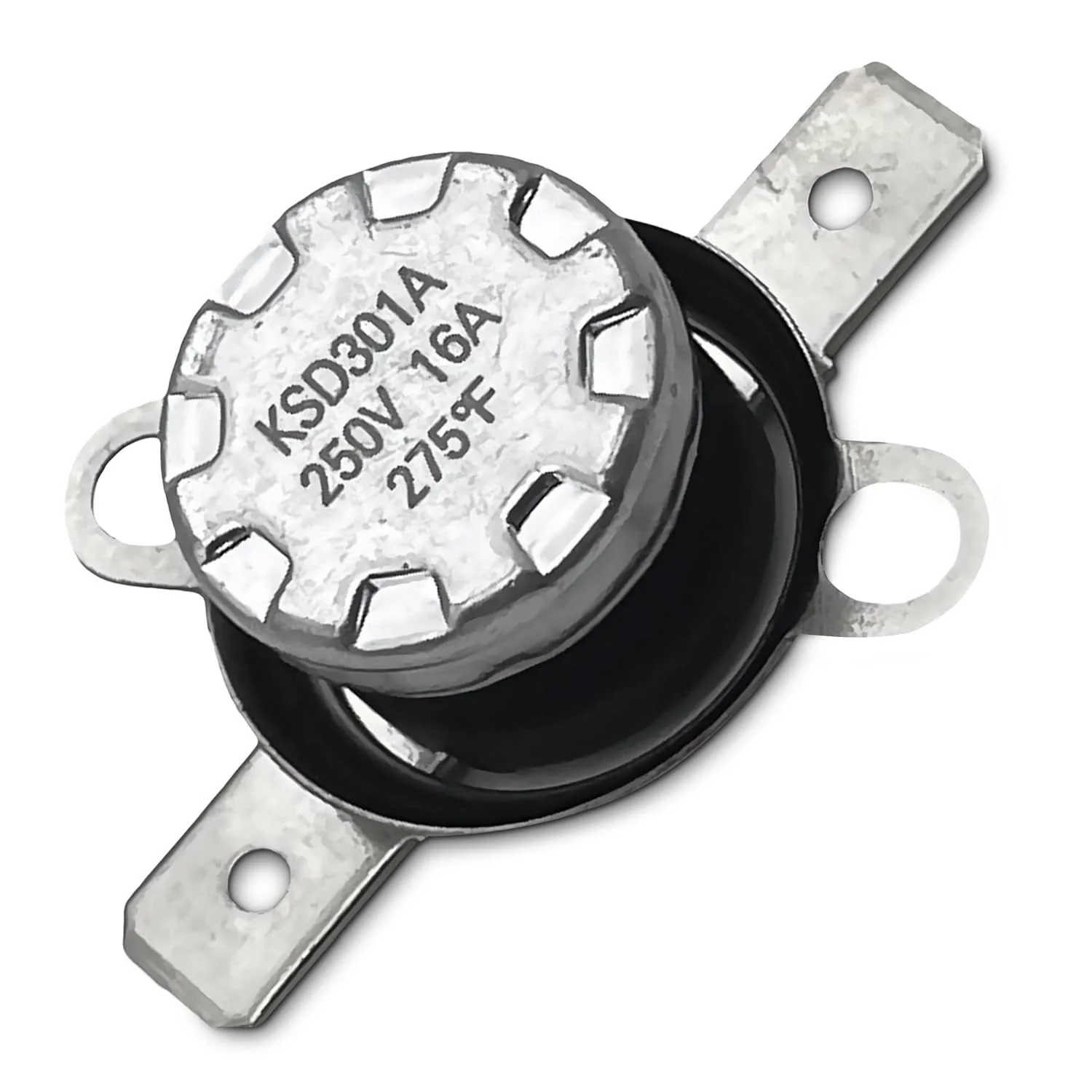
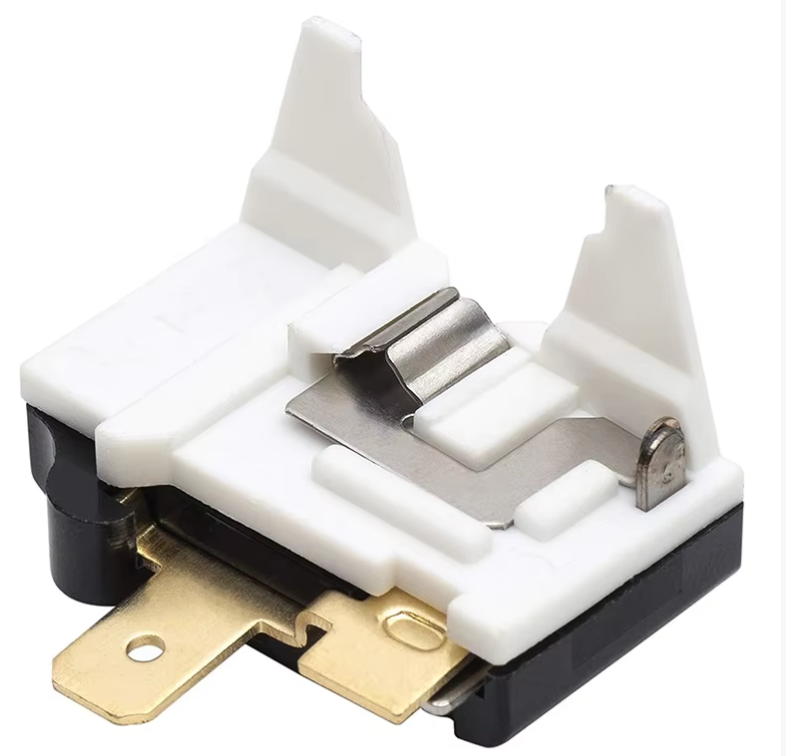
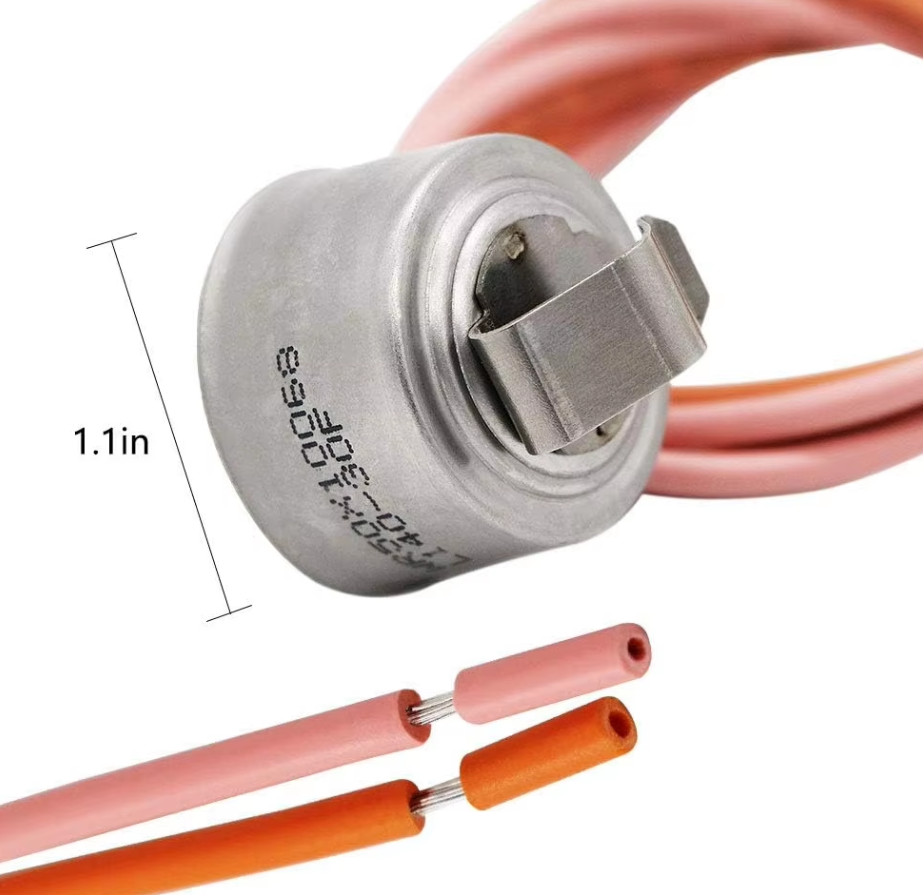
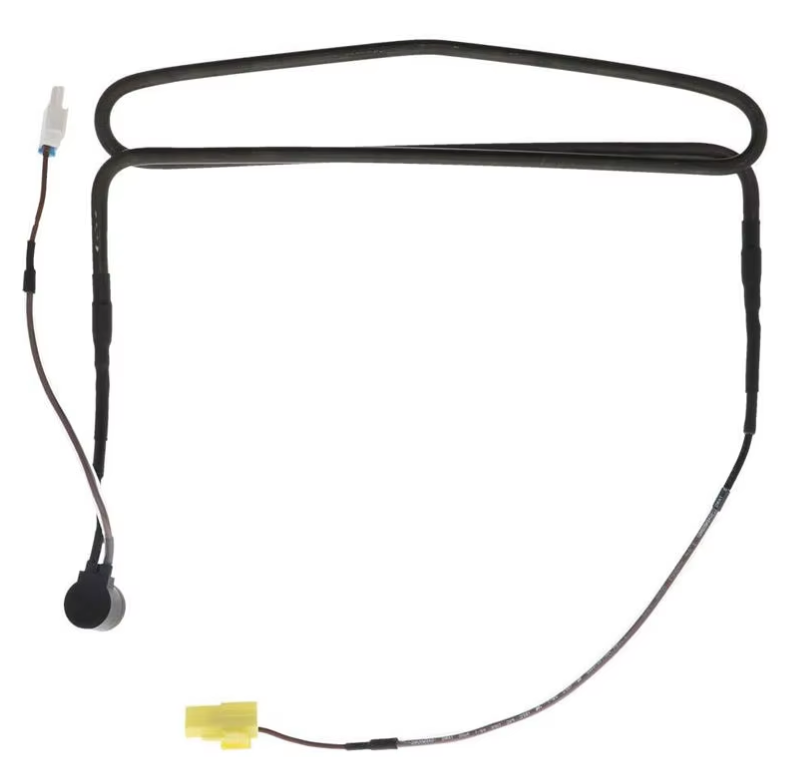
A small refrigerator thermostat is a compact, efficient temperature control component designed for small-capacity fridges (1–6 cubic feet), used in households, offices, and commercial settings (e.g., convenience store display fridges) worldwide. It balances space constraints (thermostat size <50mm x 40mm x 30mm) with reliable performance, maintaining internal temperatures between 0°C and 10°C—flexible enough to store beverages, dairy, and small food items. The two main types are mechanical and electronic: mechanical thermostats use a bimetallic disc that bends with temperature changes, opening/closing a switch to control the compressor; they are affordable (\(10–\)25) and ideal for basic small fridges (e.g., RCA, Magic Chef). Electronic thermostats, found in premium models (e.g., Breville, SMEG), use a thermistor and microchip for precise control (±0.2°C), digital temperature displays, and features like “quick chill” (for rapid cooling after restocking) and temperature memory (retains settings during power outages). Installation is designed for ease, with most thermostats mounted via clips to the evaporator coil (for accurate temperature sensing) or screws to the fridge’s interior wall. Regional adaptation is key: 110V–120V thermostats for North American small fridges (compatible with 60Hz grids) and 220V–240V for European/Asian units (50Hz grids). Additionally, some models include temperature compensation—heaters that activate in cold ambient temperatures (e.g., garages in winter) to prevent the fridge from shutting down, addressing regional climate needs. Common malfunctions include stuck switches (causing continuous cooling or no cooling) and sensor drift (leading to incorrect temperature readings). Diagnosis involves testing continuity with a multimeter, and replacements are widely available, with universal aftermarket parts that fit multiple brands (ensuring accessibility for users in diverse markets). Compliance with safety standards (UL 60335, IEC 60335-2-24) and energy efficiency norms (e.g., EU Class A+) ensures alignment with global user expectations for safety and sustainability.

Jointgo is a leading home appliance parts factory with over 20 years of production experience. We specialize in manufacturing dryer parts, washing machine parts, kitchen appliance parts, etc. Factory direct sale, wholesale price, fast shipment. Our products are compatible with major brands like Whirlpool, LG, and Samsung. Customization services are available. Trust us for all your home appliance parts needs.
Copyright © 2025 by Ningbo Jointgo Electronics Co., Ltd. Privacy Policy
 EN
EN