A "digital fridge thermostat" is a compact, precision-focused control device designed for small to mid-sized fridges (50L-200L)—e.g., dorm fridges, under-counter units, RV mini-fridges—where space efficiency and ease of use are priorities. It uses a digital sensor (NTC thermistor) to measure internal temperatures, providing ±0.4°C accuracy—superior to the ±1°C of mechanical thermostats—ensuring consistent cooling for snacks, beverages, and small perishables. The digital interface (usually a small LCD screen) displays real-time temperatures, with simple button controls for setting values (typically 2°C-8°C) and switching between °C/°F. Core features include a "fast cool" mode (boosts cooling for 1-2 hours after loading new items) and a low-battery indicator (for battery-powered aftermarket models). Durability is optimized for compact spaces: the thermostat has a slim profile (≤2cm thickness) and a shock-resistant casing (to withstand accidental bumps in dorm rooms or RVs). Compliance with regional safety standards is key: North American models meet UL 60335-2-24, European versions adhere to EN 60335-2-24, and Asian markets require CCC certification. Installation is DIY-friendly: magnetic mounts or adhesive strips attach the thermostat to the fridge interior, while plug-in power (via USB or AAA batteries) eliminates wiring. Aftermarket models cost \(30-\)60, with compatibility lists covering brands like Danby (dorm fridges), Dometic (RV fridges), and Haier (compact home fridges). For global users, packaging includes clear, icon-based instructions (reducing language barriers) and temperature conversion charts (linking digital settings to local food safety norms).
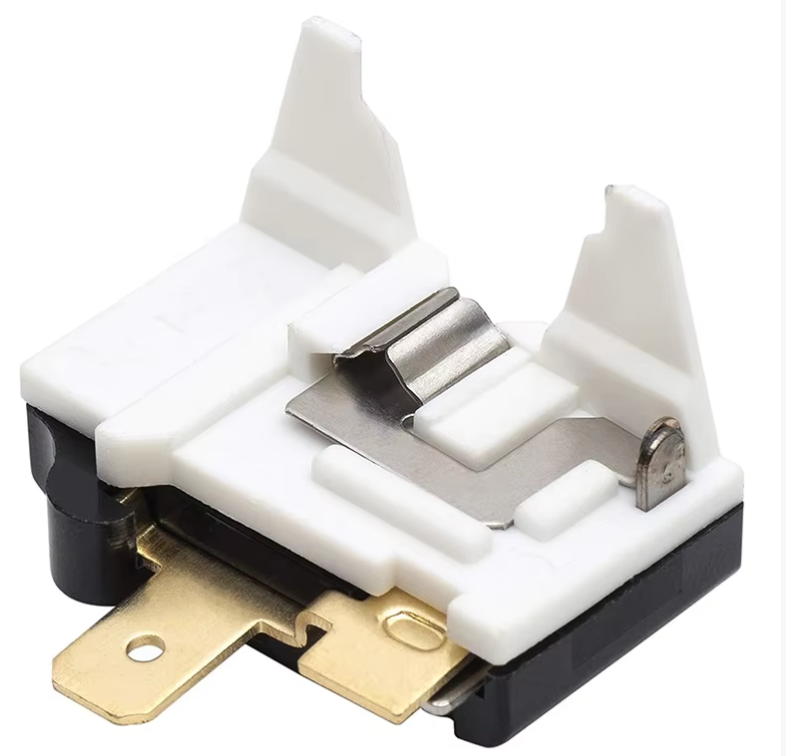
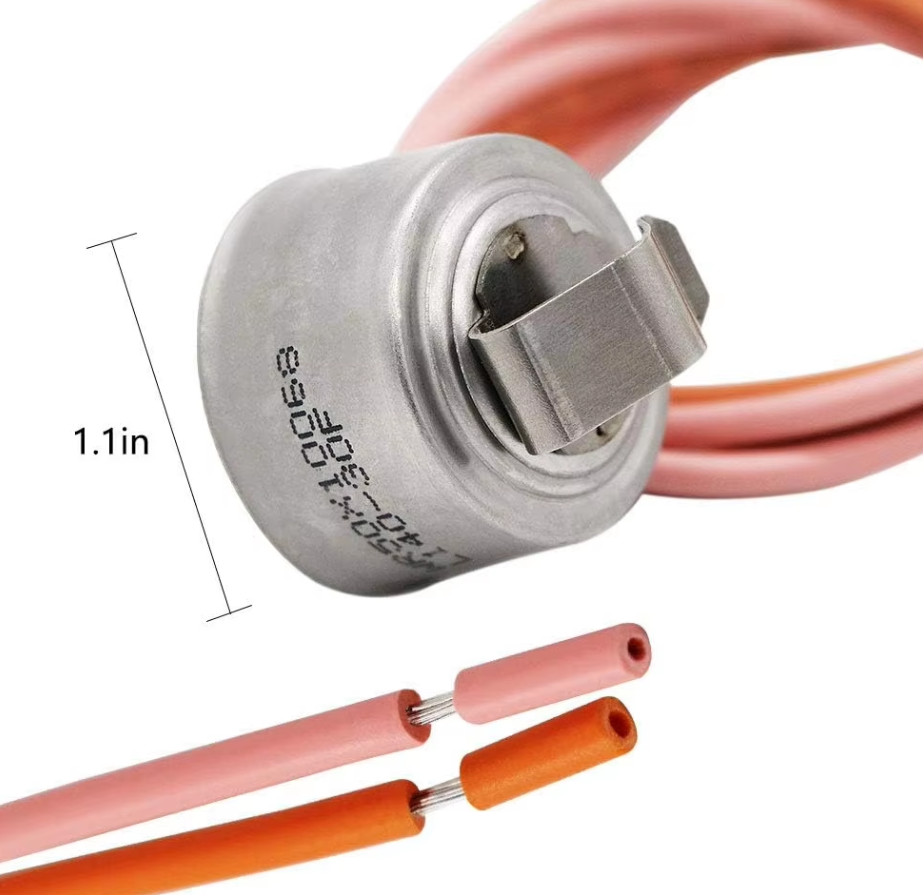
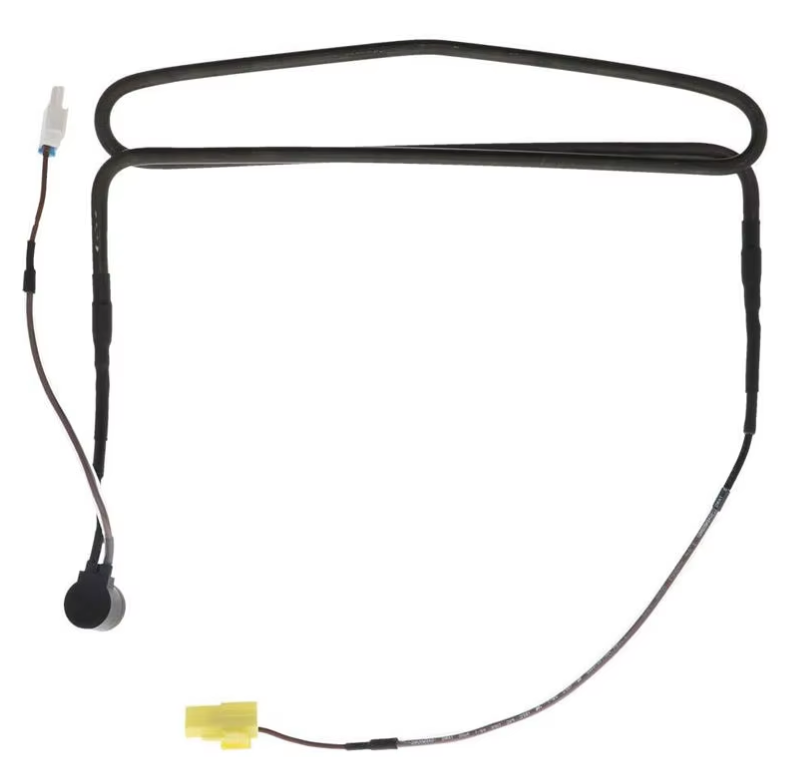

Jointgo is a leading home appliance parts factory with over 20 years of production experience. We specialize in manufacturing dryer parts, washing machine parts, kitchen appliance parts, etc. Factory direct sale, wholesale price, fast shipment. Our products are compatible with major brands like Whirlpool, LG, and Samsung. Customization services are available. Trust us for all your home appliance parts needs.
Copyright © 2025 by Ningbo Jointgo Electronics Co., Ltd. Privacy Policy
 EN
EN