A dryer heating element is the core component responsible for generating heat in electric clothes dryers, enabling the appliance to remove moisture from laundry by raising the internal air temperature to a range of 120°F to 175°F (49°C to 79°C), depending on the drying cycle. Constructed primarily from nickel-chromium (Ni-Cr) alloy wires—chosen for their exceptional high-temperature resistance (withstanding up to 1,200°F/649°C) and low oxidation rates—these elements are typically coiled or formed into grids to maximize heat distribution while minimizing energy loss. Modern dryer heating elements integrate thermal overload protection mechanisms, such as bimetallic thermostats or thermal fuses, which automatically cut off power if temperatures exceed safe limits, preventing overheating, fabric damage, or fire hazards. Key performance metrics for these elements include wattage (ranging from 4,800W to 5,400W for most residential dryers), heat uniformity (ensuring no cold spots that leave laundry damp), and durability (with high-quality models lasting 8–12 years under normal use). To ensure compatibility and safety, reputable manufacturers subject their elements to rigorous testing, including UL (Underwriters Laboratories) or IEC (International Electrotechnical Commission) certifications, which align with safety standards across North America, Europe, and other global markets. Common signs of a failing heating element include extended drying times, cold air during operation, burning odors, or visible damage (such as broken coils or discoloration). Regular maintenance—such as cleaning lint filters and dryer vents to maintain proper airflow—directly extends the element’s lifespan, as restricted airflow forces the element to overwork, accelerating wear. Understanding the element’s role in the dryer’s thermal system is critical for both end-users and technicians, as it informs troubleshooting, maintenance, and replacement decisions, ensuring optimal dryer performance and energy efficiency across diverse cultural and climatic contexts.

18
Feb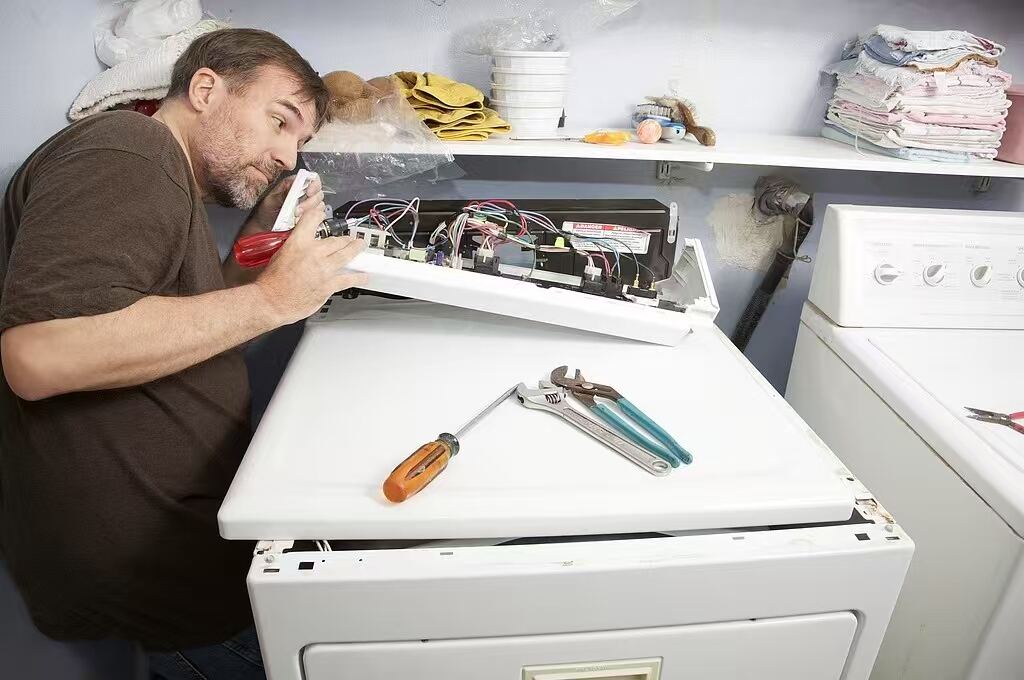
04
Mar
14
Apr
14
May
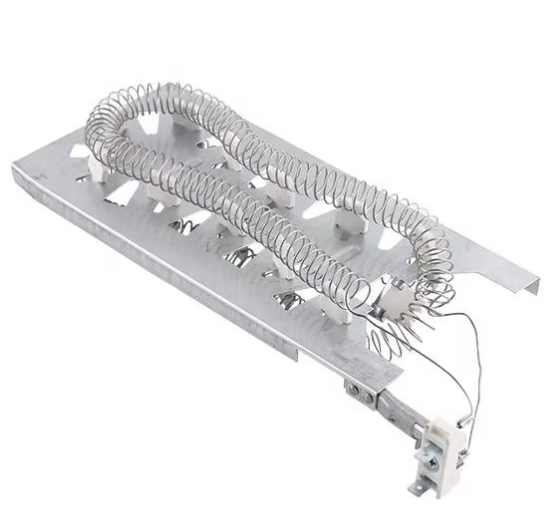
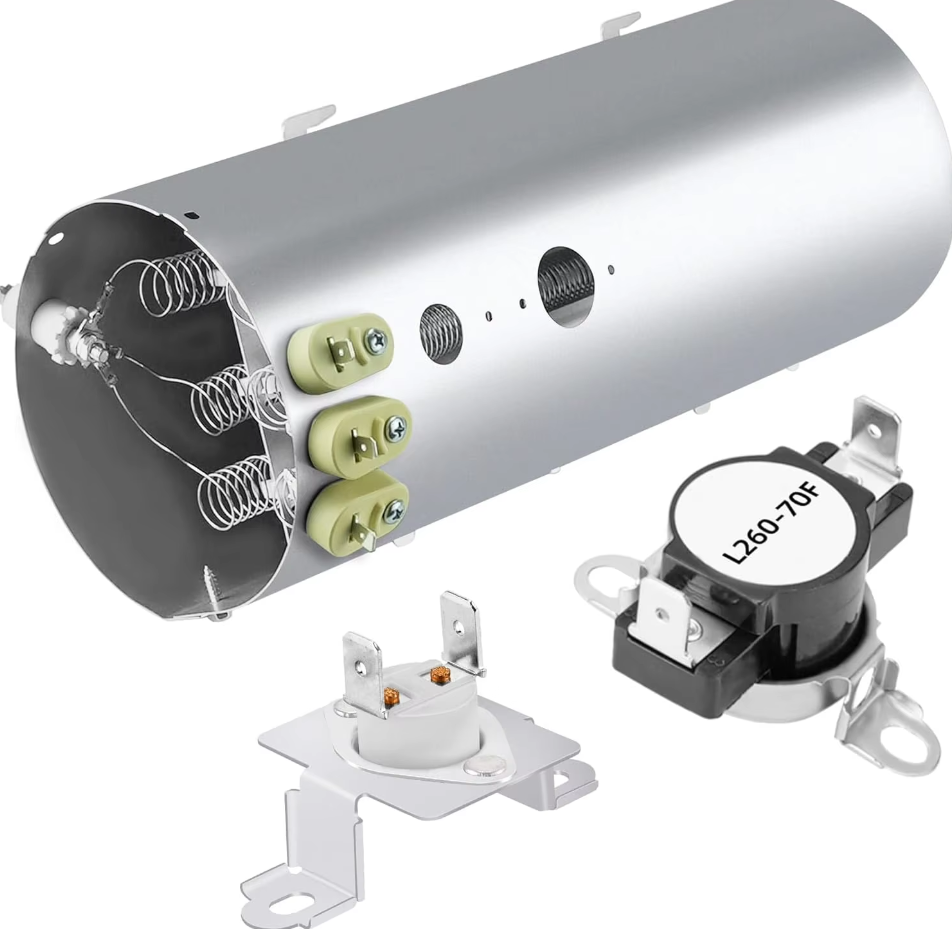

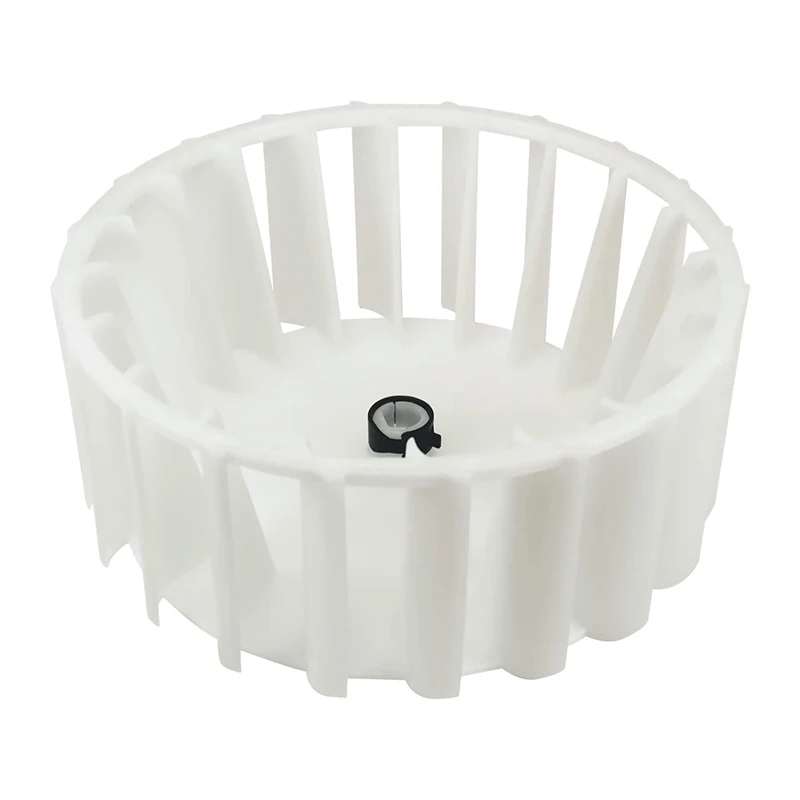
Jointgo is a leading home appliance parts factory with over 20 years of production experience. We specialize in manufacturing dryer parts, washing machine parts, kitchen appliance parts, etc. Factory direct sale, wholesale price, fast shipment. Our products are compatible with major brands like Whirlpool, LG, and Samsung. Customization services are available. Trust us for all your home appliance parts needs.
Copyright © 2025 by Ningbo Jointgo Electronics Co., Ltd. Privacy Policy
 EN
EN
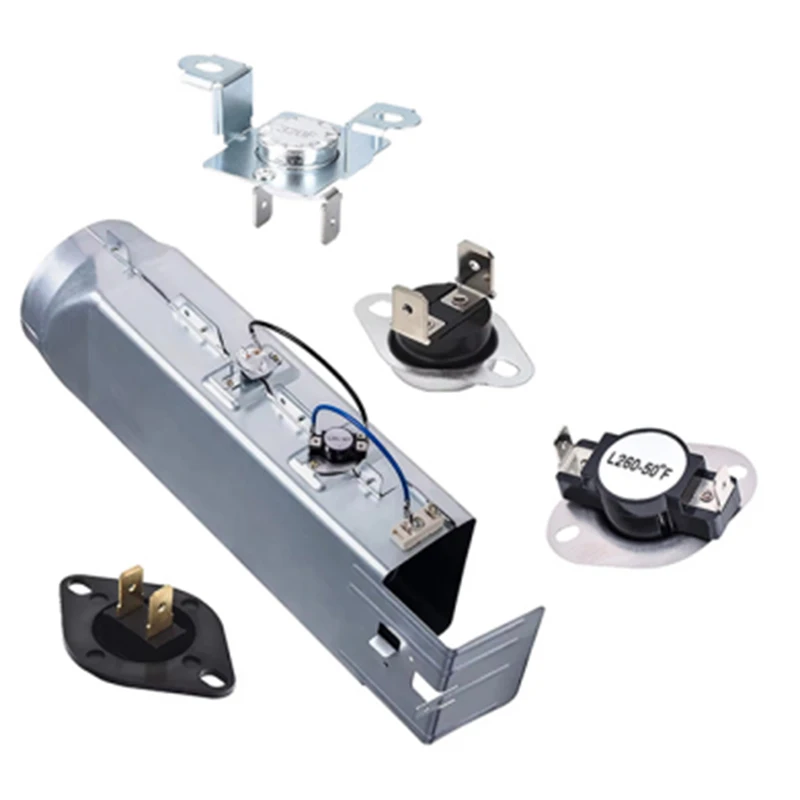



![High-Quality Dryer Heating Elements for OEM & Repair [UL Certified]](https://shopcdnpro.grainajz.com/category/87466/2844/7dadcdd0e851a3d4f7836203934c64e8/444.png)