Freezer thermostat prices vary by type (mechanical vs. electronic), application (residential chest freezers vs. commercial upright freezers), and features (basic vs. smart), with global market ranges spanning \(20-\)200. Mechanical freezer thermostats—simple, bimetallic-based controls for residential chest freezers (100L-300L)—are the most affordable, costing \(20-\)40. These lack digital displays but offer reliable temperature regulation (-18°C to -25°C) and are widely available in hardware stores (e.g., Home Depot, B&Q) and online marketplaces (Amazon, Alibaba). Brands like Emerson and Generic dominate this segment, with compatibility across entry-level freezer brands (Haier, Whirlpool, Arctic King). Electronic freezer thermostats—for mid-sized residential freezers (300L-500L) and small commercial units—range from \(40-\)80. They include digital displays (showing -18°C to -25°C), ±0.5°C precision, and defrost cycle integration. Premium features like "fast freeze" mode (lowers temperature to -30°C temporarily for new items) push prices to \(60-\)80. Brands like Honeywell and LG position these as energy-efficient options, with compliance to EU EcoDesign or U.S. DOE standards. Commercial freezer thermostats—for large upright freezers (500L+) in grocery stores or labs—cost \(80-\)200. These offer industrial-grade precision (±0.2°C), multiple sensor inputs (for zone cooling), and fault alerts (e.g., temperature rise above -15°C). Compliance with NSF/ANSI 7 (North America) or EN 378 (Europe) adds to costs, with brands like True Manufacturing and Hussmann offering models priced at \(120-\)200. Smart freezer thermostats (with Wi-Fi and app alerts) are a niche segment, costing \(100-\)150 (e.g., Nest-compatible models) and targeting tech-savvy residential users. Regional price variations exist: European prices include 20% VAT (increasing costs vs. the U.S.), while Asian markets offer lower-cost mechanical thermostats (\(15-\)30) due to local manufacturing. Aftermarket vs. OEM pricing: OEM thermostats (e.g., Samsung, Bosch) cost 20-30% more than aftermarket but guarantee perfect fit.
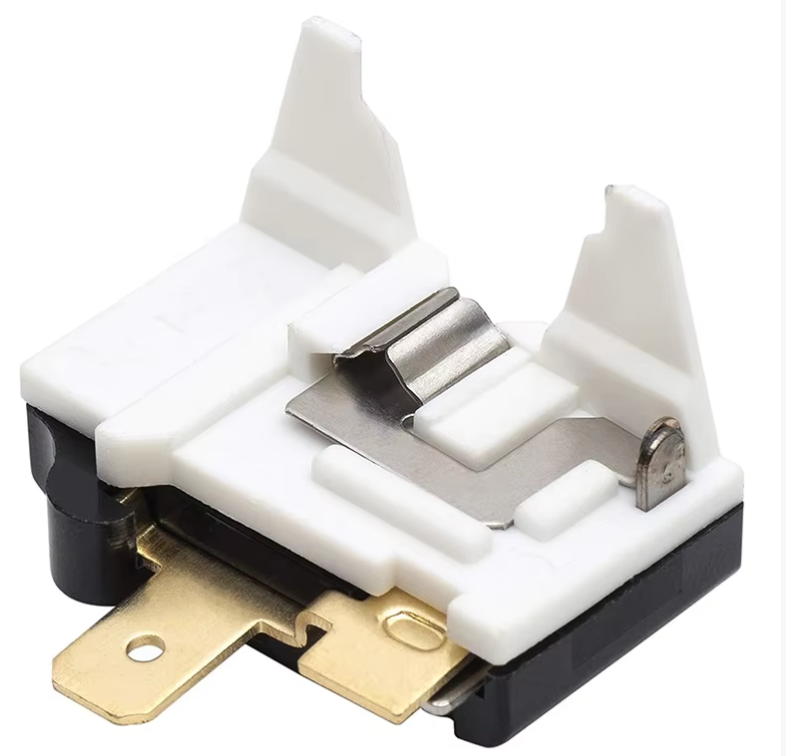
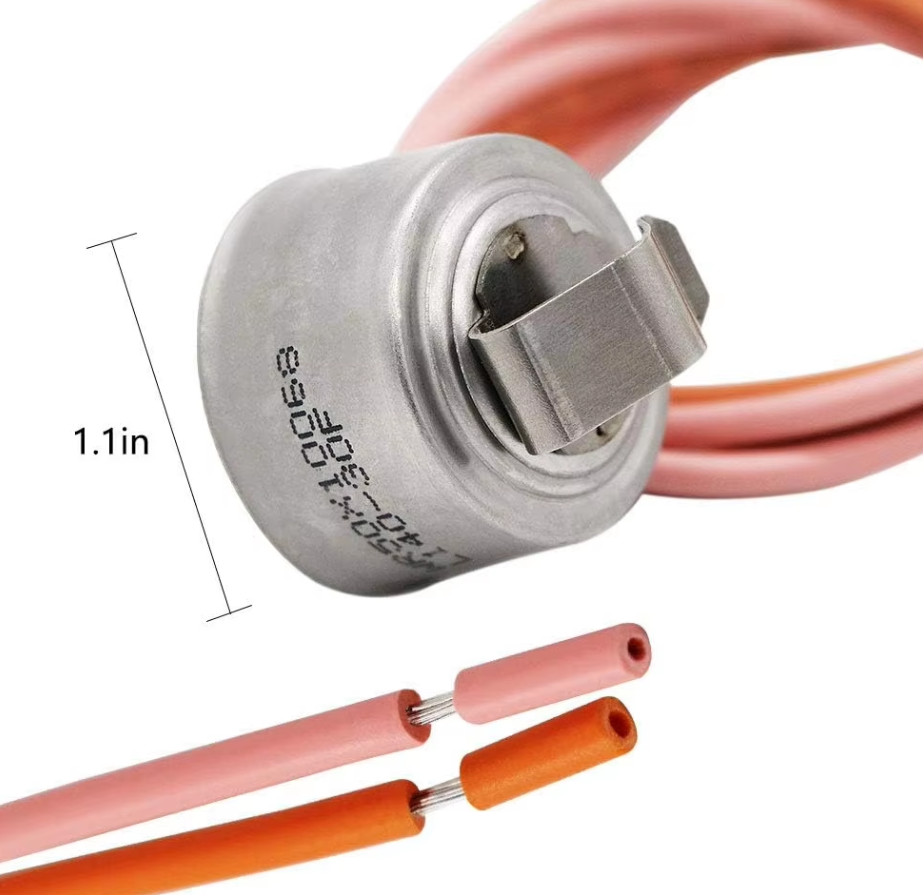
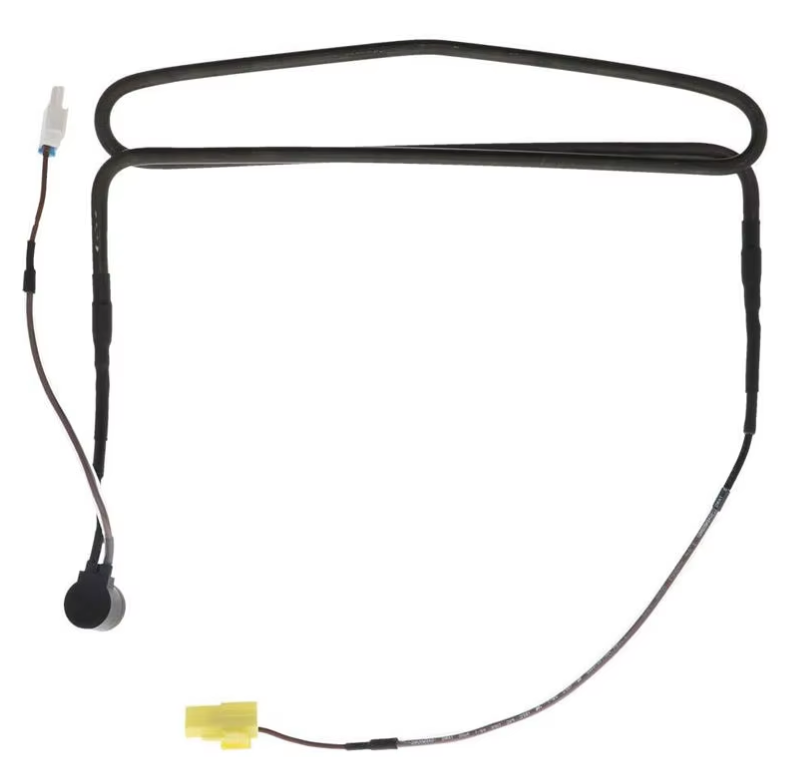

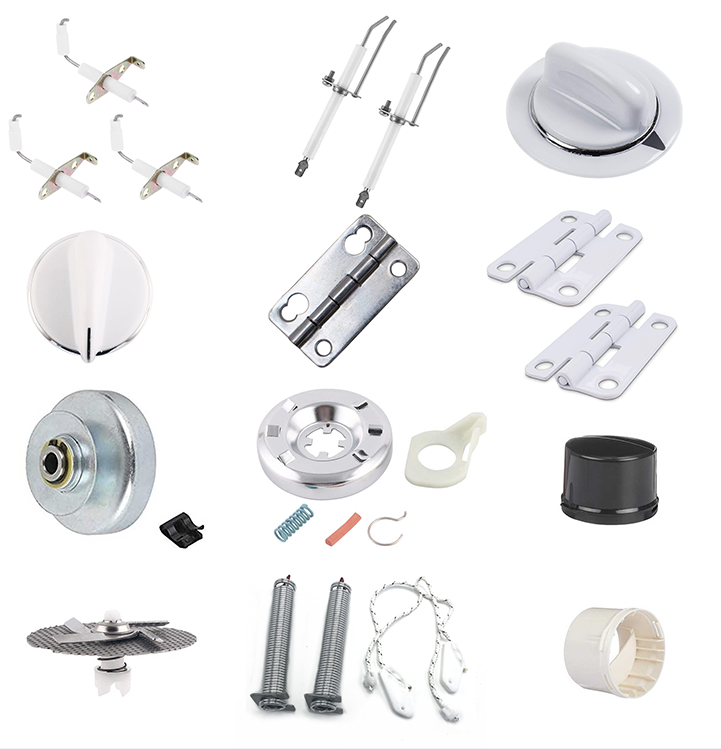
Jointgo is a leading home appliance parts factory with over 20 years of production experience. We specialize in manufacturing dryer parts, washing machine parts, kitchen appliance parts, etc. Factory direct sale, wholesale price, fast shipment. Our products are compatible with major brands like Whirlpool, LG, and Samsung. Customization services are available. Trust us for all your home appliance parts needs.
Copyright © 2025 by Ningbo Jointgo Electronics Co., Ltd. Privacy Policy
 EN
EN