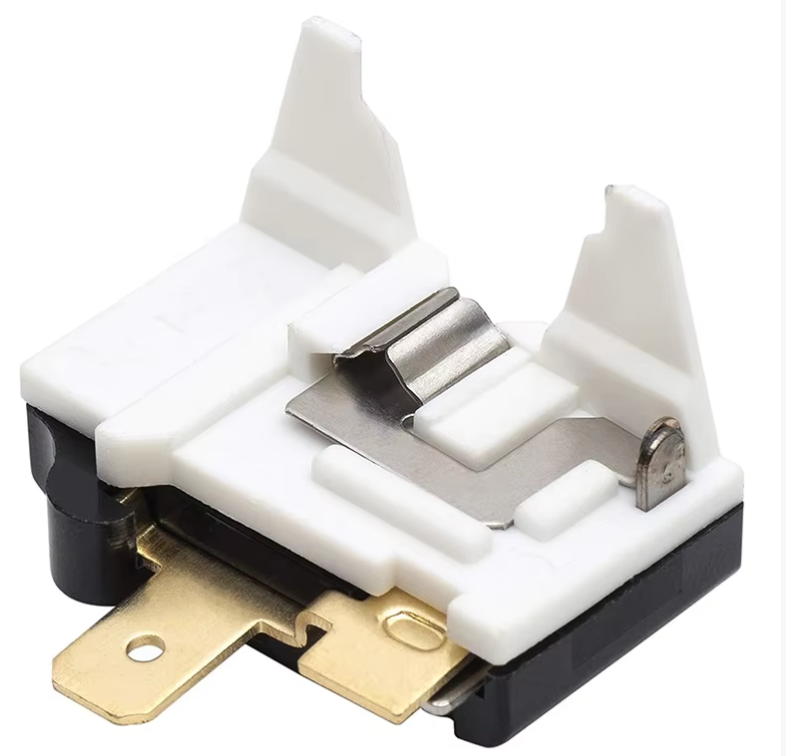
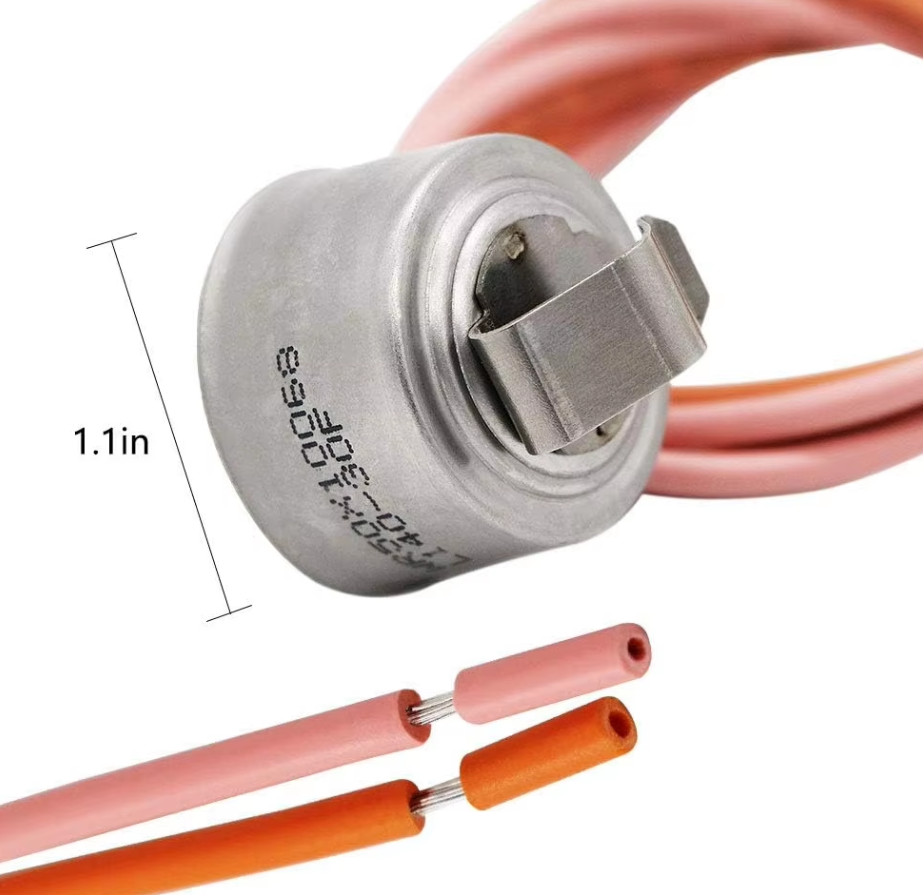
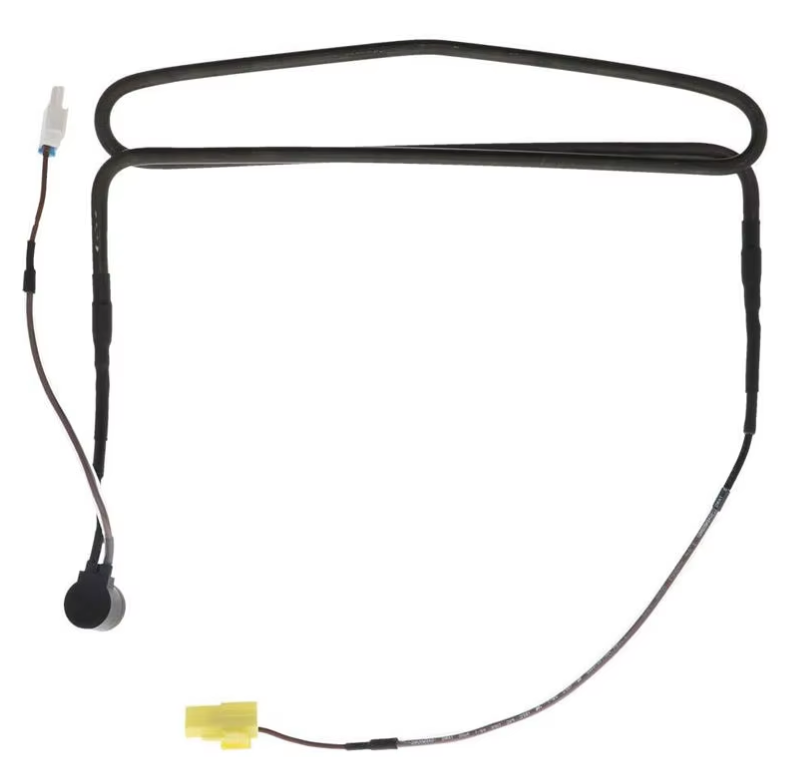
A mini refrigerator thermostat is a specialized temperature control device engineered for the compact size and low-power requirements of mini fridges (0.5–4 cubic feet), which are widely used in dormitories, offices, campers, and hotel rooms worldwide. Its primary function is to maintain a stable internal temperature (1°C–10°C, adjustable via a dial or digital interface) to preserve perishables like drinks, dairy, and snacks, while minimizing energy consumption (typically 50–150kWh/year). Most entry-level mini fridges use mechanical thermostats, which rely on a bimetallic coil: as temperature rises, the coil expands, opening a switch to stop the compressor; as temperature drops, the coil contracts, closing the switch to restart cooling. These are cost-effective (\(8–\)20) and durable, with a lifespan of 5–8 years. Mid-to-high-end models feature electronic thermostats, which use a thermistor (temperature-sensitive resistor) to detect changes, sending signals to a microcontroller to adjust the compressor. Electronic versions offer advantages like precise temperature control (±0.3°C), digital displays, and energy-saving modes (e.g., “sleep mode” that reduces cooling at night), making them popular in regions with strict energy standards (e.g., EU ERP Directive, US ENERGY STAR). Installation is space-efficient, with most thermostats mounted near the evaporator (for accurate sensing) using clips or small screws. Compatibility is regionalized: 110V–120V thermostats for North American mini fridges (e.g., Black+Decker, Danby) and 220V–240V for European/Asian models (e.g., Bosch, Panasonic). Common issues include dial calibration drift (requiring adjustment with a screwdriver) and contact wear (causing intermittent cooling). Aftermarket thermostats are widely available, with universal designs that fit multiple brands, ensuring accessibility for users across different cultures and markets. Safety compliance (IEC 60335-2-24) guarantees protection against electrical hazards, aligning with global user expectations.

Jointgo is a leading home appliance parts factory with over 20 years of production experience. We specialize in manufacturing dryer parts, washing machine parts, kitchen appliance parts, etc. Factory direct sale, wholesale price, fast shipment. Our products are compatible with major brands like Whirlpool, LG, and Samsung. Customization services are available. Trust us for all your home appliance parts needs.
Copyright © 2025 by Ningbo Jointgo Electronics Co., Ltd. Privacy Policy
 EN
EN