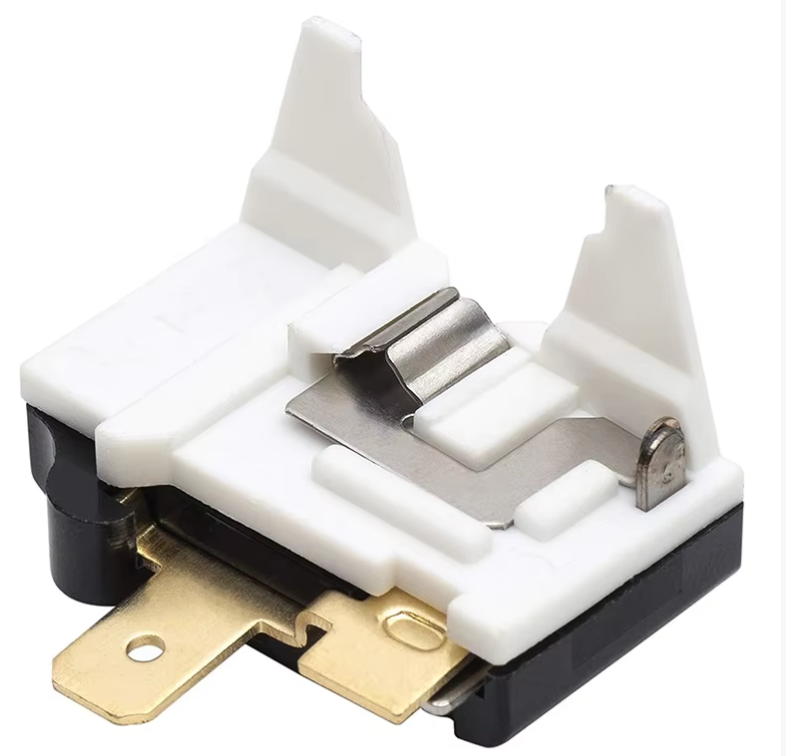
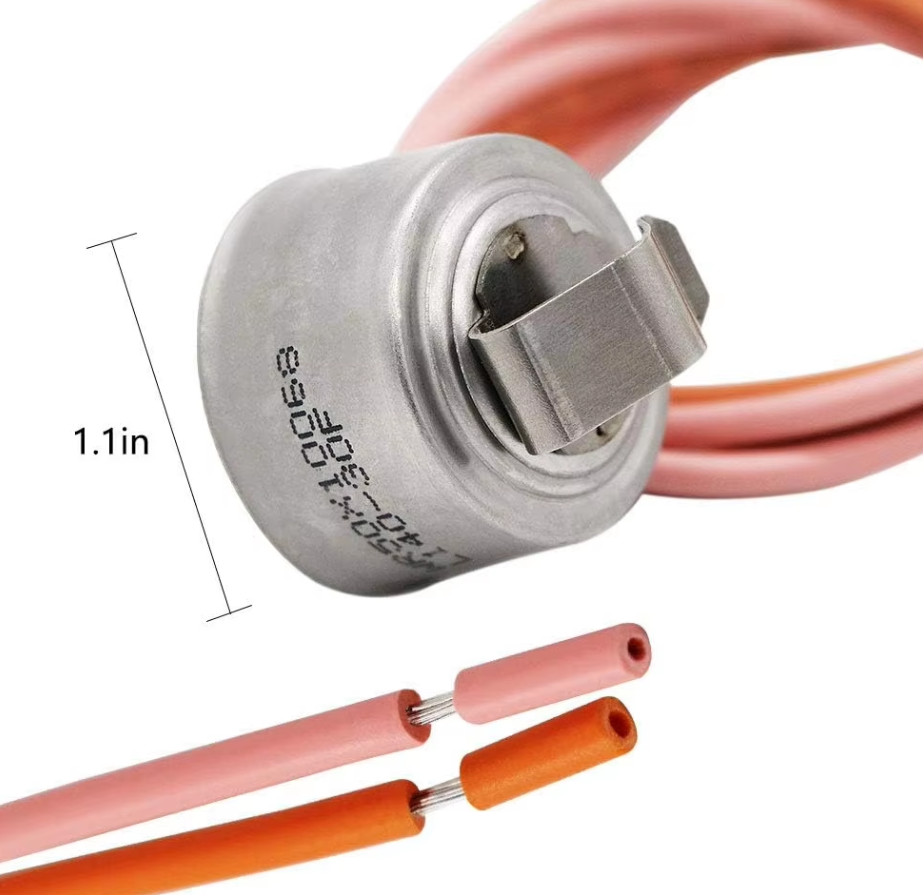
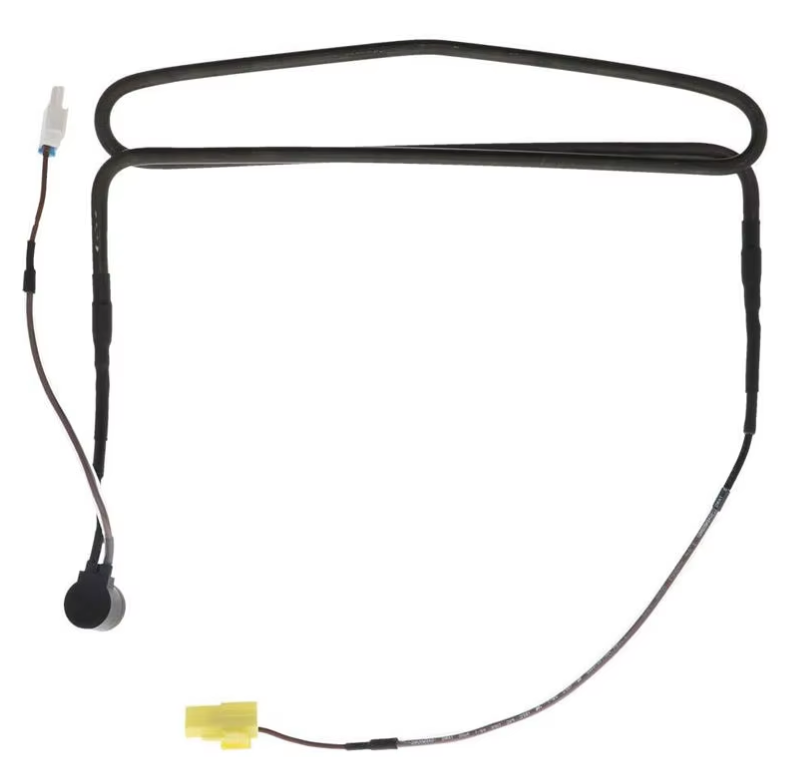
Fridge thermostat connections refer to the wiring and electrical interfaces that link the thermostat to the fridge’s core components (compressor, defrost heater, fan, and power supply), ensuring safe and reliable operation. Proper wiring is critical: incorrect connections can cause compressor failure, overheating, or electrical hazards, so adherence to color-coded standards (e.g., red for power, blue for compressor, yellow for defrost) is universal to simplify installation across regions. Core connection types include terminal blocks (for secure wire fastening) and plug-and-play connectors (common in modern fridges for easy replacement), with insulation materials (e.g., PVC, silicone) rated for fridge operating temperatures (-20°C to 60°C) to prevent cracking or melting. Safety compliance is non-negotiable: North American installations follow the National Electrical Code (NEC) Article 440 for appliance wiring, European setups adhere to IEC 60364 for electrical installations, and Asian markets require compliance with GB 50303. Key considerations during installation include: ensuring wires are not pinched (to avoid short circuits), using wire nuts or crimp connectors for secure joins (instead of tape, which can degrade), and grounding the thermostat to prevent electric shock. For aftermarket thermostats, compatibility with the fridge’s voltage (110V/120V in North America, 220V/230V in Europe/Asia) is essential, with many models including voltage labels for clarity. Troubleshooting connections often involves checking for loose wires or corrosion (common in older fridges), with multimeter tests recommended to verify current flow. Commercial fridges may have more complex connections (e.g., multiple compressors for large units), requiring technician certification to ensure compliance with local electrical codes.

Jointgo is a leading home appliance parts factory with over 20 years of production experience. We specialize in manufacturing dryer parts, washing machine parts, kitchen appliance parts, etc. Factory direct sale, wholesale price, fast shipment. Our products are compatible with major brands like Whirlpool, LG, and Samsung. Customization services are available. Trust us for all your home appliance parts needs.
Copyright © 2025 by Ningbo Jointgo Electronics Co., Ltd. Privacy Policy
 EN
EN