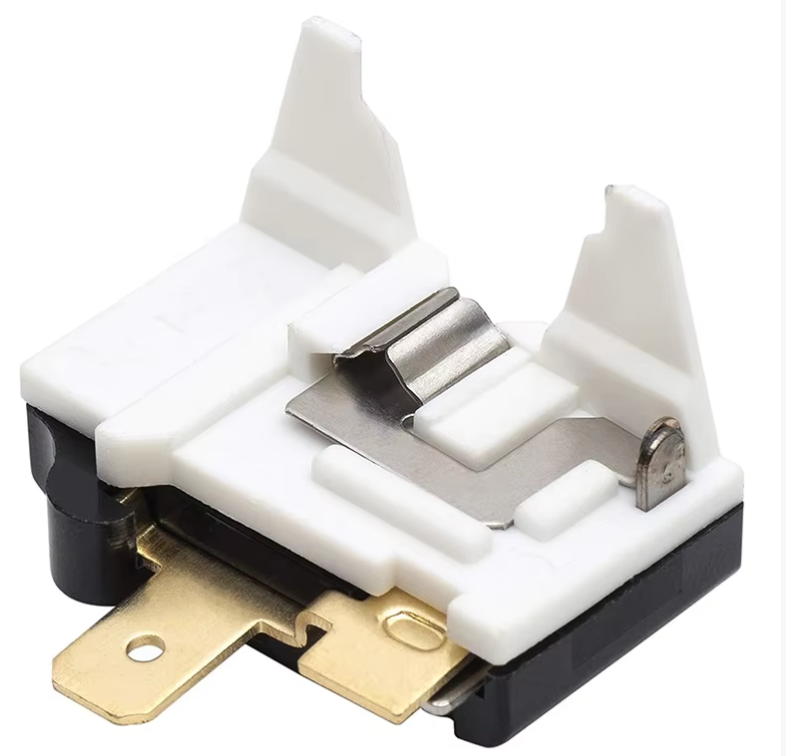
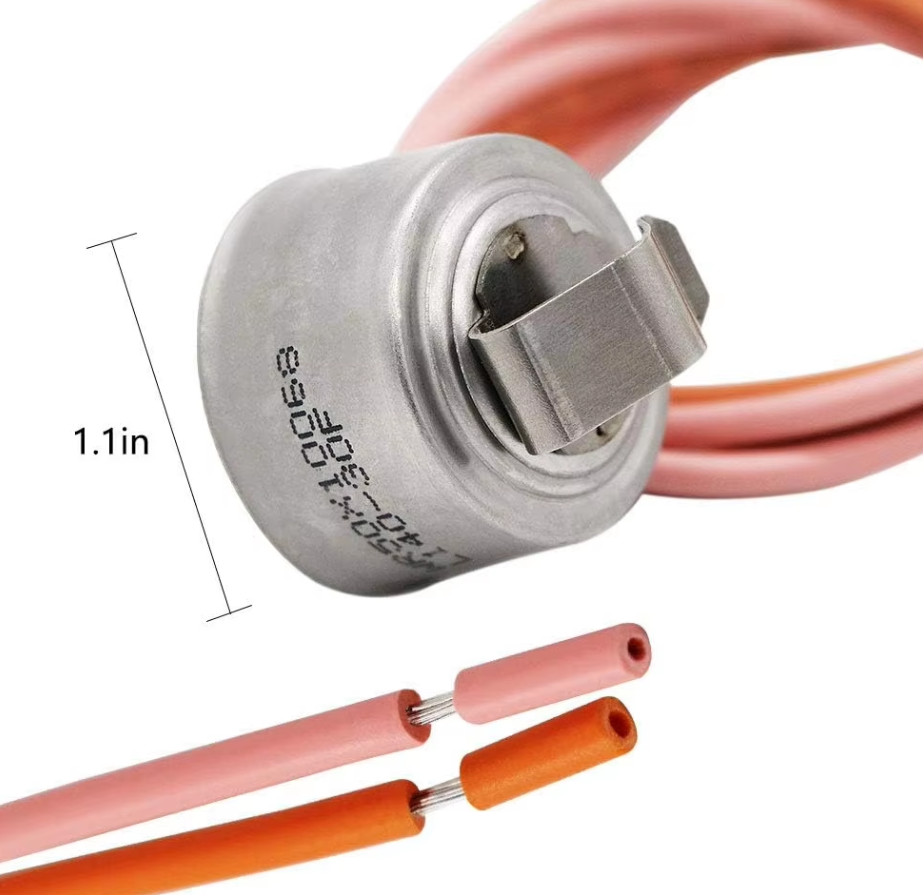
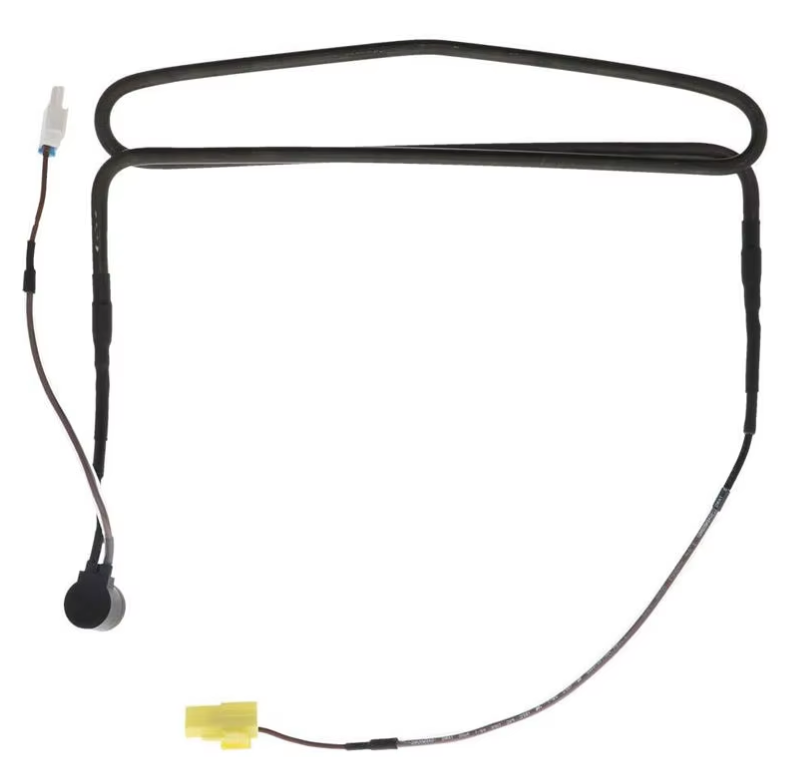
"Fridge thermostat temp" refers to the temperature range and precision managed by a fridge thermostat, a critical factor in food safety, energy efficiency, and product lifespan. The global consensus for safe fridge storage (endorsed by WHO and regional food safety agencies) is 2°C to 8°C—this range inhibits bacterial growth (e.g., Salmonella, E. coli) while preventing freezing of produce or dairy. Modern thermostats (electronic/digital) maintain this range with ±0.3°C to ±0.5°C precision, while older mechanical models may vary by ±1°C. Key temperature-related features include: 1) Setpoint adjustability: Users can fine-tune within 2°C-8°C—e.g., 4°C for general storage, 2°C for raw meat, 8°C for beverages. 2) Temperature differential: The gap between "on" and "off" cycles (1°C-2°C) to avoid frequent compressor switching (saves energy) and temperature spikes. 3) Defrost temperature control: Prevents frost buildup by temporarily raising temperature to 10°C-12°C during defrost cycles (critical for frost-free fridges). Regional adaptations exist: In hot, humid climates (e.g., Southeast Asia), thermostats may include a "high ambient" mode that maintains 2°C-5°C even when room temperature exceeds 35°C. In North America, some thermostats default to °F (36°F-46°F, equivalent to 2°C-8°C) but offer °C switching. For commercial fridges (e.g., restaurant walk-ins), thermostats manage narrower ranges (3°C-5°C) with ±0.2°C precision to meet NSF/ANSI 7 standards. Troubleshooting often centers on temperature accuracy: A thermostat that fails to maintain 2°C-8°C may need sensor calibration or replacement—critical for avoiding food spoilage and compliance with local health codes.

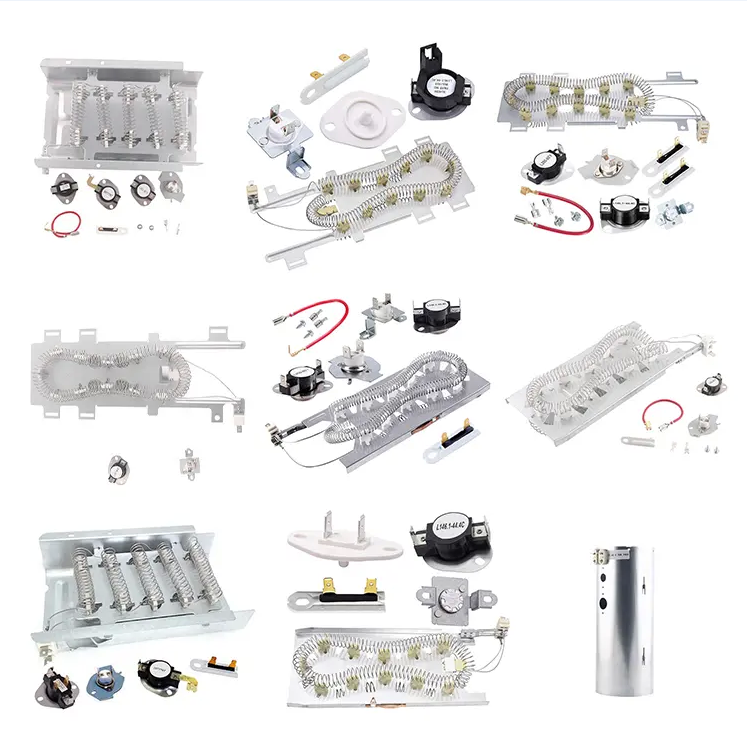
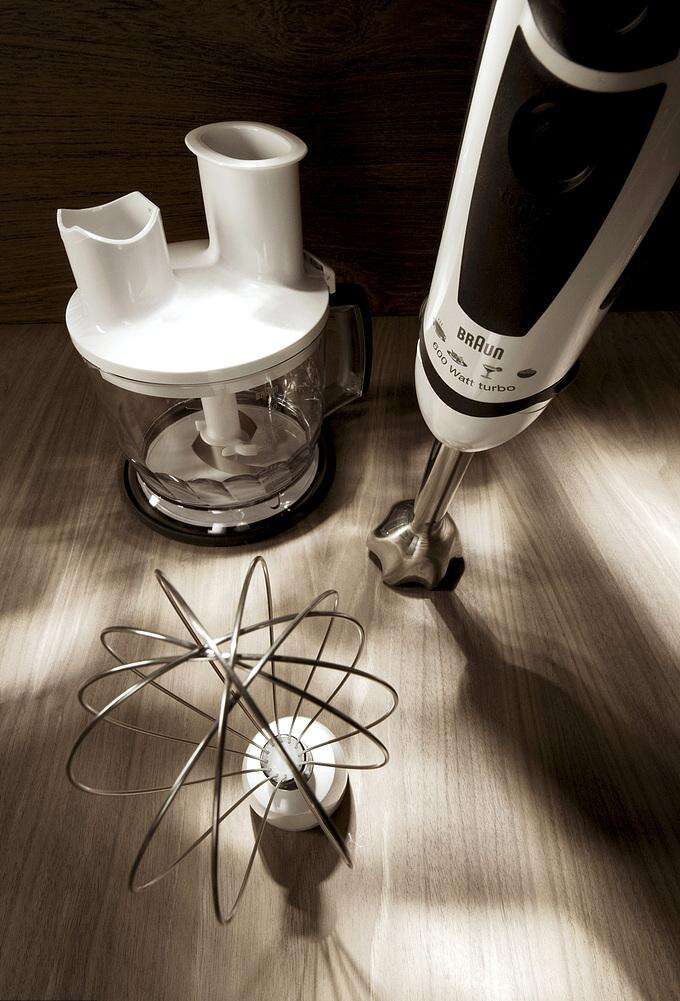
Jointgo is a leading home appliance parts factory with over 20 years of production experience. We specialize in manufacturing dryer parts, washing machine parts, kitchen appliance parts, etc. Factory direct sale, wholesale price, fast shipment. Our products are compatible with major brands like Whirlpool, LG, and Samsung. Customization services are available. Trust us for all your home appliance parts needs.
Copyright © 2025 by Ningbo Jointgo Electronics Co., Ltd. Privacy Policy
 EN
EN