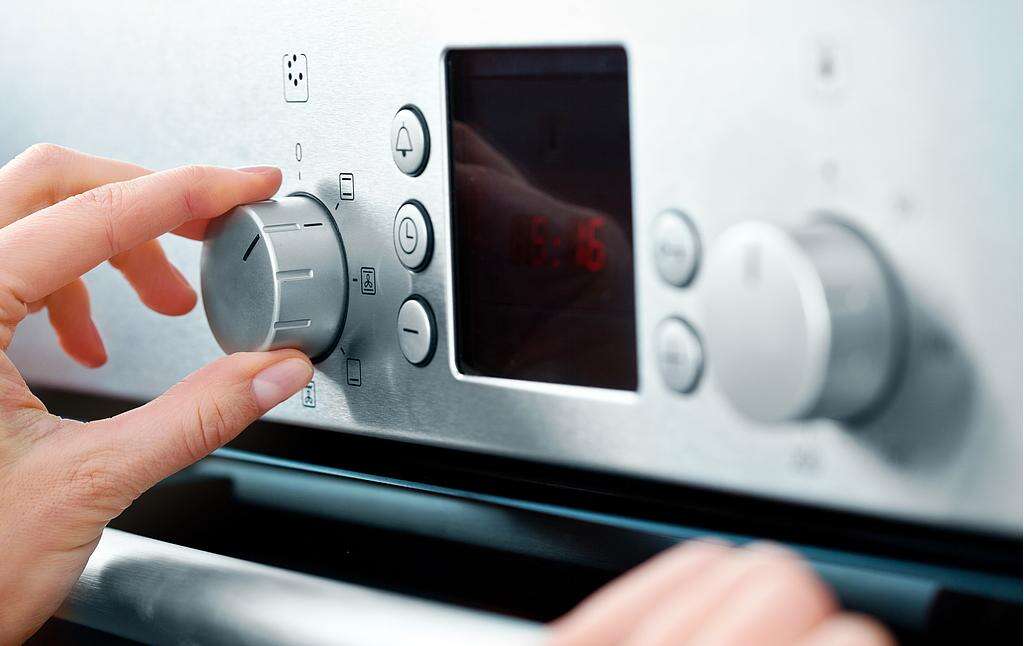
A "fridge with digital temperature control" refers to a residential or small commercial refrigerator integrated with a built-in digital thermostat system, combining precision cooling, user-friendly interfaces, and modern convenience—catering to global consumers prioritizing food safety and energy efficiency. Unlike fridges with mechanical dials, these units feature an LCD/LED display (often on the door or control panel) that shows real-time temperatures (°C/°F selectable) and allows exact setpoint adjustments (2°C-8°C for the fridge, -18°C to -25°C for the freezer). Core integrated features include: 1) Zone cooling: Separate controls for crisper drawers (5°C-7°C for produce) and door shelves (6°C-8°C for beverages), preventing overcooling of less sensitive items. 2) Smart connectivity (in premium models): Wi-Fi-enabled controls let users adjust temperatures via smartphone apps (e.g., Samsung SmartThings, LG ThinQ), receive alerts for door left open or temperature spikes, and monitor energy use—appealing to tech-savvy users in North America, Europe, and Asia. 3) Energy-saving modes: "Eco Mode" raises temperature to 6°C-8°C during low-use periods (e.g., overnight), while "Fast Cool" lowers it temporarily after loading groceries. Durability is engineered into the digital system: Sealed interfaces resist moisture and spills (common in kitchens), and solid-state components reduce wear vs. mechanical parts. Global market adaptations include: In Europe, fridges comply with EcoDesign Directive (ERP) ratings (A+++ efficiency), while North American models meet DOE standards. In Asia, compact fridges with digital controls (50L-150L) dominate urban markets, with interfaces supporting Mandarin/Korean/Japanese. Price ranges vary by size and features: Entry-level digital fridges (200L) cost \(500-\)800 (e.g., Haier, Hisense), mid-range models (300L) with smart features cost \(800-\)1,200 (e.g., LG, Samsung), and premium commercial units (400L+) cost \(1,200-\)2,000 (e.g., Bosch, Miele). Compatibility with global power voltages (110V/220V) ensures usability across regions.
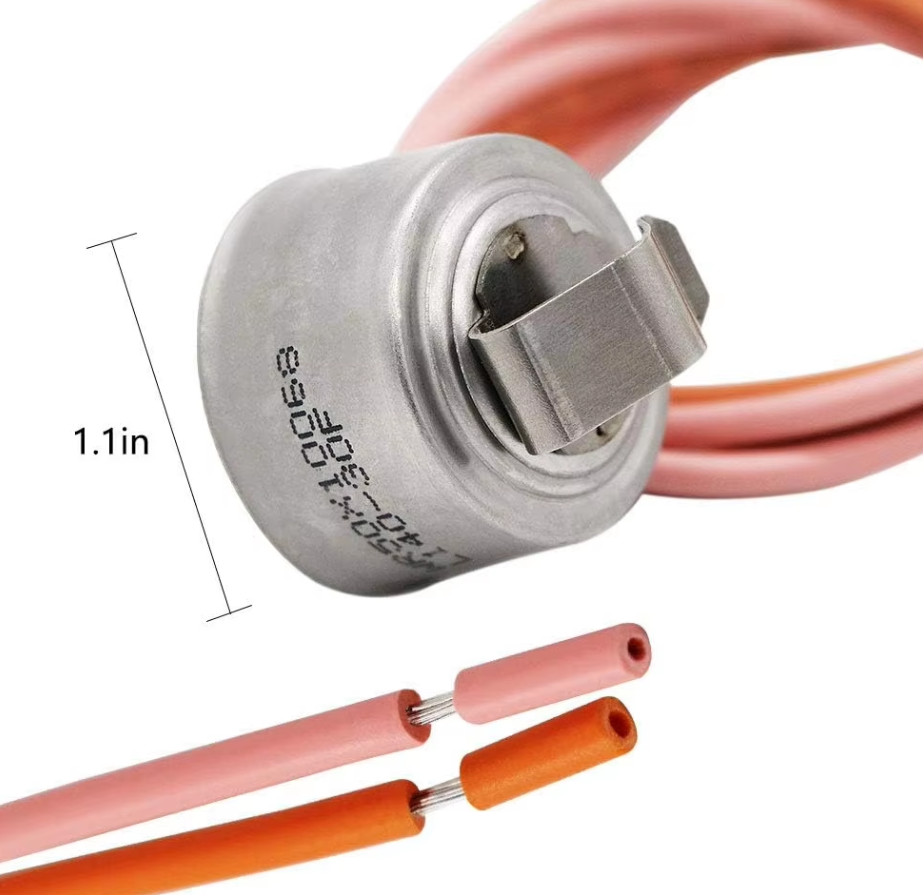
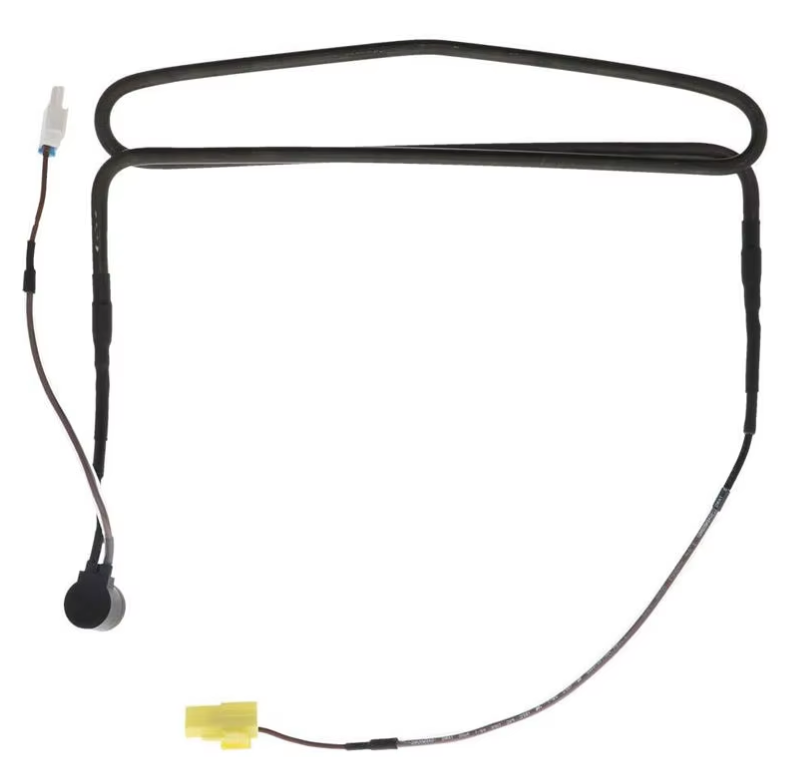

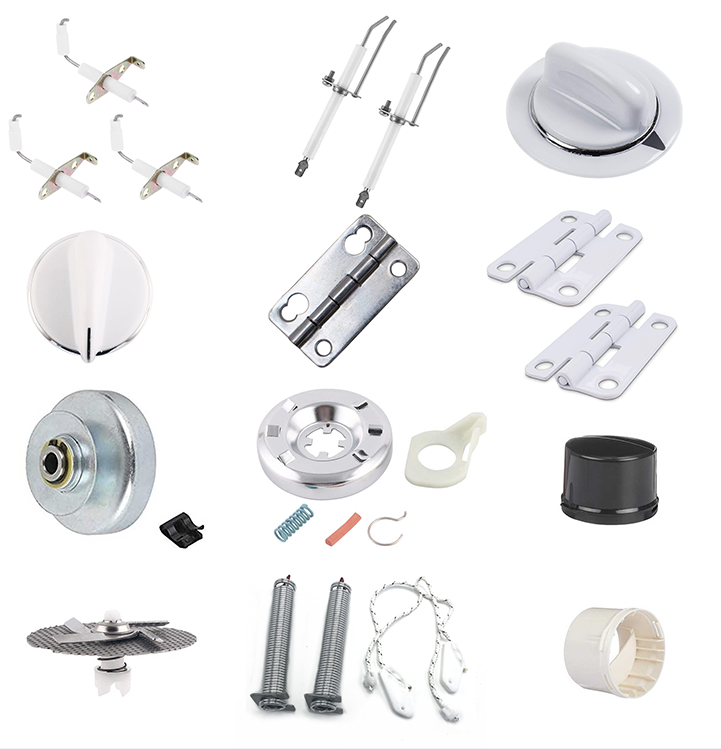
Jointgo is a leading home appliance parts factory with over 20 years of production experience. We specialize in manufacturing dryer parts, washing machine parts, kitchen appliance parts, etc. Factory direct sale, wholesale price, fast shipment. Our products are compatible with major brands like Whirlpool, LG, and Samsung. Customization services are available. Trust us for all your home appliance parts needs.
Copyright © 2025 by Ningbo Jointgo Electronics Co., Ltd. Privacy Policy
 EN
EN