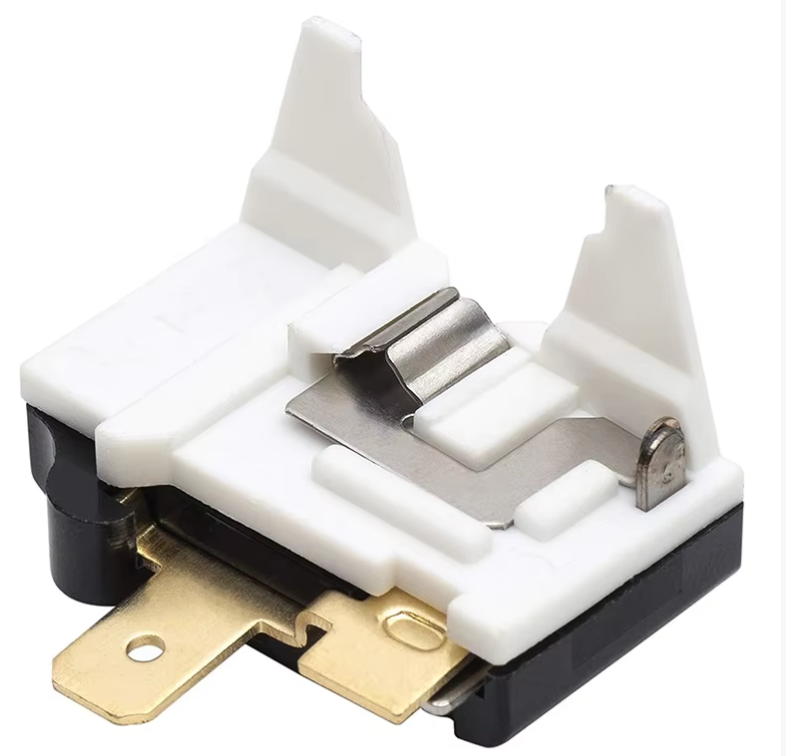
A "refrigerator temperature thermostat" is a specialized control system dedicated to maintaining and monitoring the critical temperature range (2°C-8°C) for full-sized residential and commercial refrigerators, where temperature stability directly impacts food safety, energy consumption, and product quality. Unlike general fridge thermostats, it prioritizes temperature accuracy and consistency across multiple compartments (main fridge, crisper drawers, door shelves)—often using 2-3 sensors (one per zone) to address temperature variations caused by door openings or heat-generating items (e.g., milk cartons). Core technical features include a high-sensitivity NTC thermistor (±0.3°C accuracy), digital feedback loops (adjusts compressor speed in real time), and a "temperature recovery" mode (accelerates cooling after extended door use). For residential models, user-friendly features dominate: LCD displays showing zone-specific temperatures, one-touch "safe mode" (locks at 4°C, the WHO-recommended midpoint), and °C/°F switching. Commercial versions (for restaurants, grocery stores) add industrial features: remote monitoring via BMS, lockable settings, and compliance with NSF/ANSI 7 (North America) or EN 60335-2-24 (Europe). Durability is engineered for long-term use: residential thermostats have a 8-10 year lifespan, while commercial units last 12-15 years. Energy efficiency is a key design focus: adaptive algorithms reduce compressor runtime by 10-15% vs. older models, aligning with global standards (EU ERP, U.S. DOE). Installation varies by type: residential aftermarket thermostats use color-coded wiring for DIY setup, while commercial units require professional installation to match 208V/240V power systems. Compatibility covers major brands (Samsung, GE, Bosch, Hussmann), ensuring global usability.
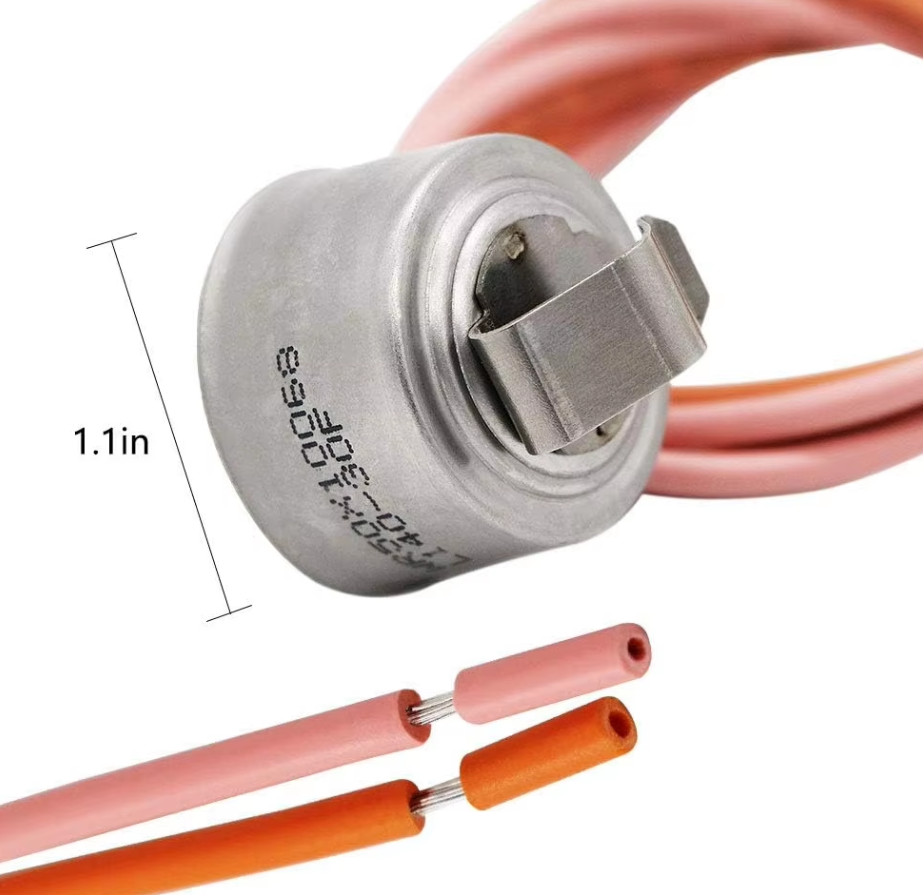
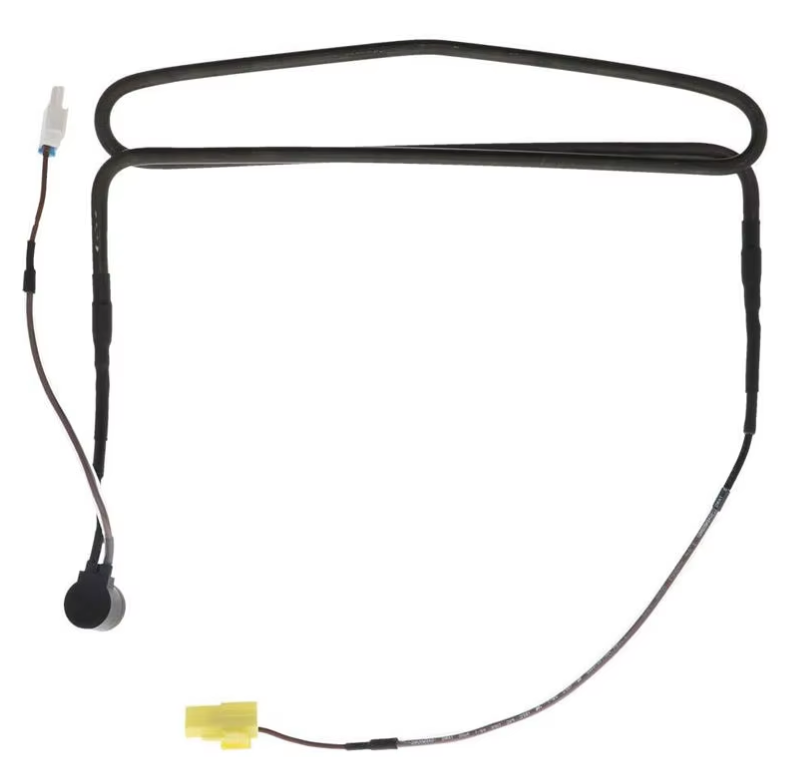

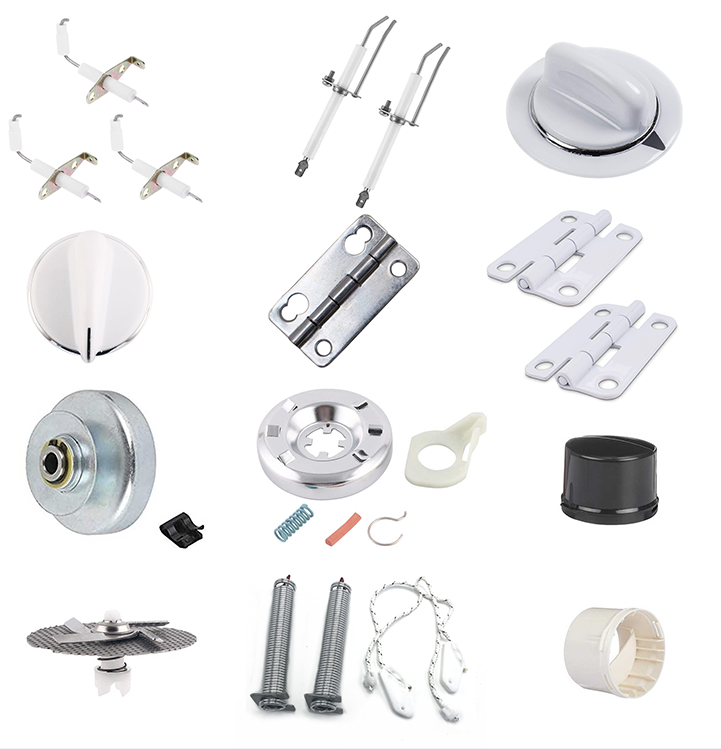
Jointgo is a leading home appliance parts factory with over 20 years of production experience. We specialize in manufacturing dryer parts, washing machine parts, kitchen appliance parts, etc. Factory direct sale, wholesale price, fast shipment. Our products are compatible with major brands like Whirlpool, LG, and Samsung. Customization services are available. Trust us for all your home appliance parts needs.
Copyright © 2025 by Ningbo Jointgo Electronics Co., Ltd. Privacy Policy
 EN
EN