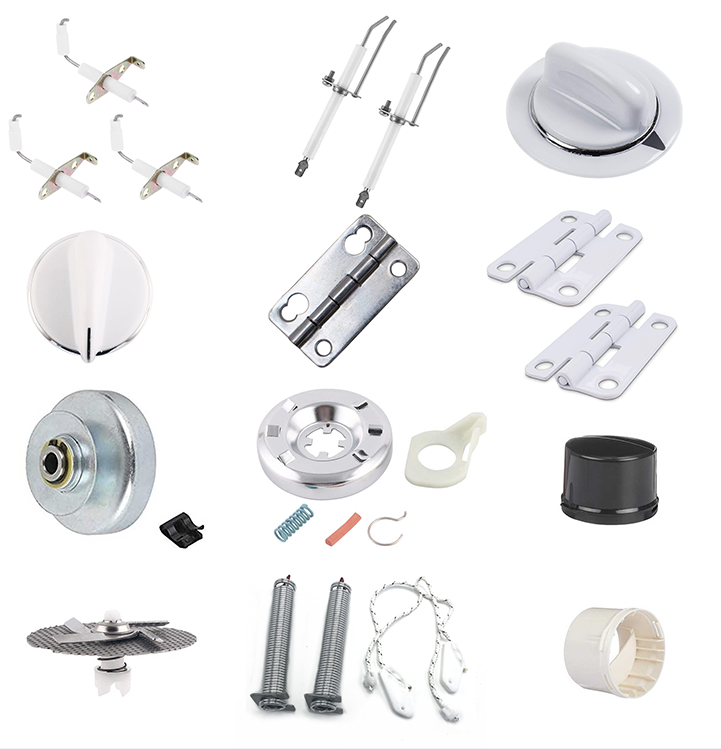
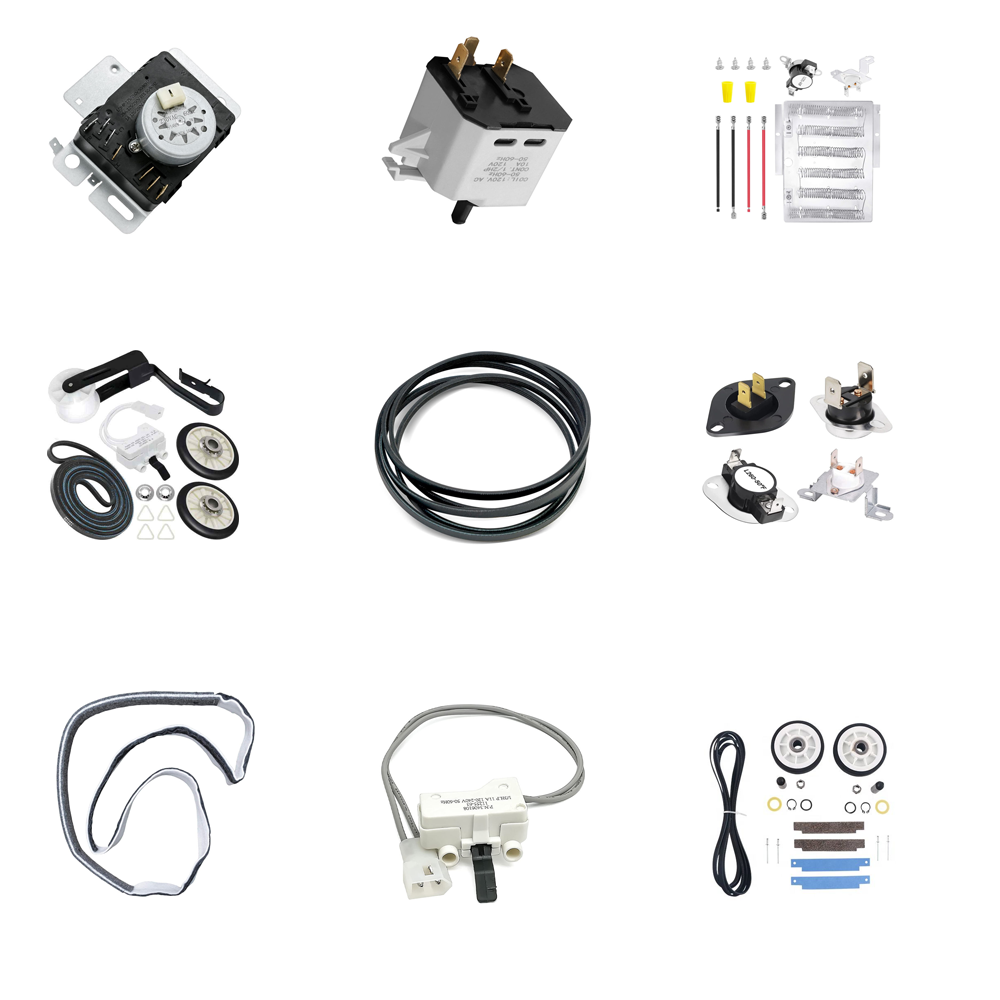
A camper refrigerator thermostat is engineered for the unique challenges of mobile environments, where power sources (12V DC from the vehicle, 120V AC at campsites, or propane) and temperature variability (from -10°C in winter to 40°C in summer) demand flexibility. Its primary role is to maintain safe food storage temperatures (2°C to 8°C for the fridge compartment, -18°C for freezers) while optimizing energy use to preserve battery life—critical for off-grid camping. Key features include multi-voltage compatibility, with voltage regulators to prevent damage from fluctuations, and vibration-resistant construction (using shock-absorbing gaskets or reinforced solder points) to withstand road bumpy. Many models offer dual-mode operation, switching between electric and propane automatically based on power availability, with the thermostat adjusting fuel/electric input to avoid overcooling or energy waste. User-centric design includes easy-to-reach controls and clear temperature readouts, with some integrating LED indicators for power source and fault alerts. Compliance with RV-specific standards is essential: North American units meet RVIA (Recreational Vehicle Industry Association) guidelines, European models adhere to EN 16451 for caravanning equipment, and Australian versions follow AS/NZS 3000. Durability against moisture is also a priority, with sealed enclosures to protect internal components from condensation common in campers. Aftermarket options are widely available, with compatibility lists covering popular camper fridge brands (Dometic, Norcold, Thetford) to simplify replacement for global travelers.
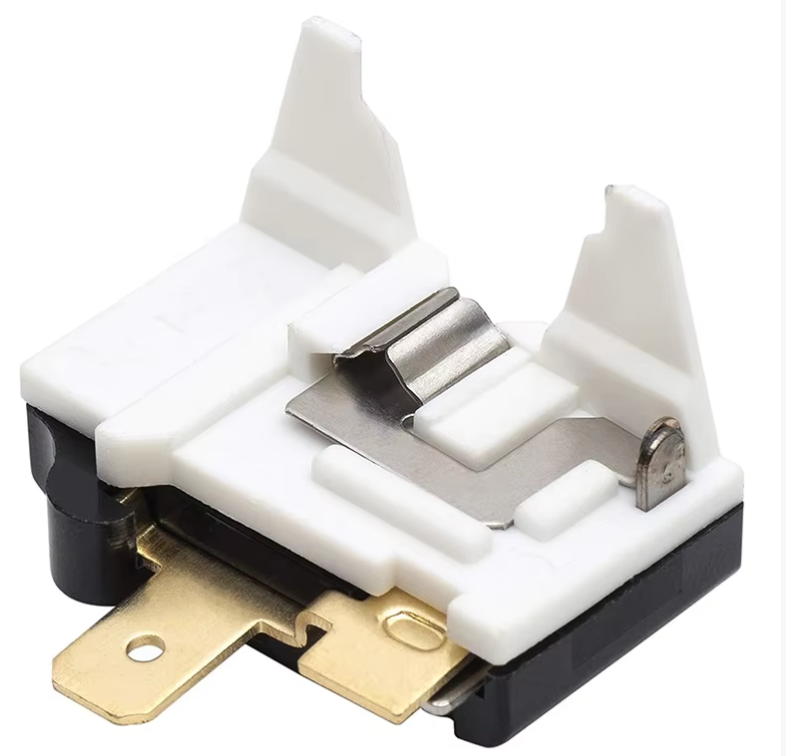
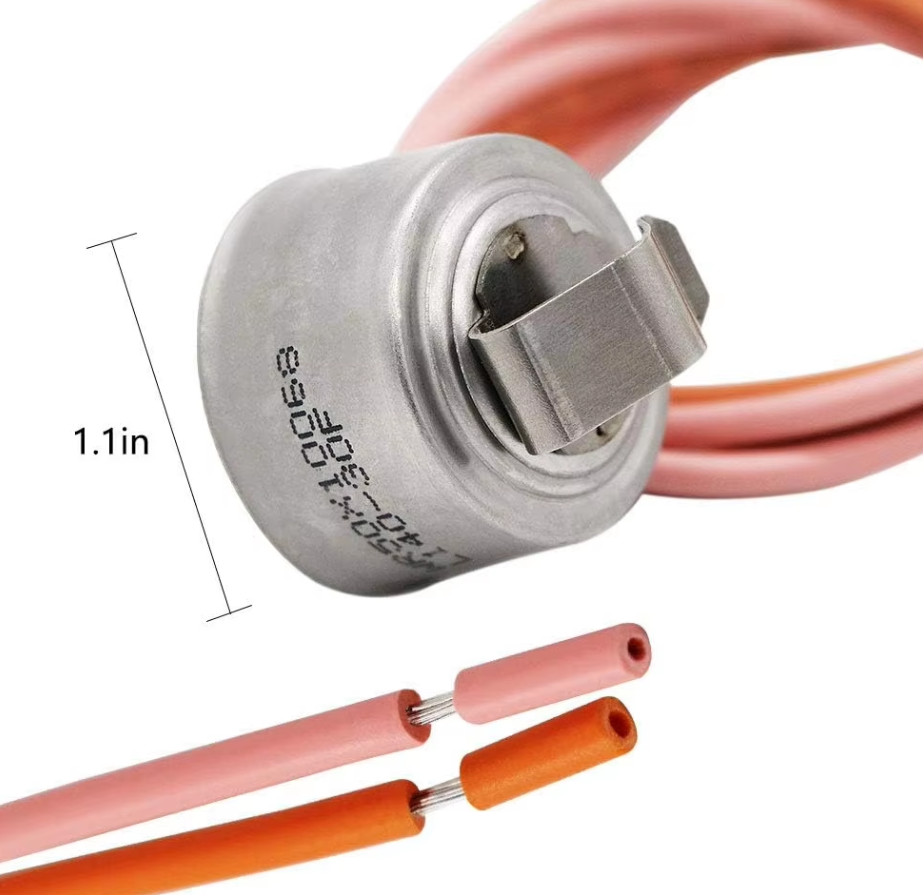
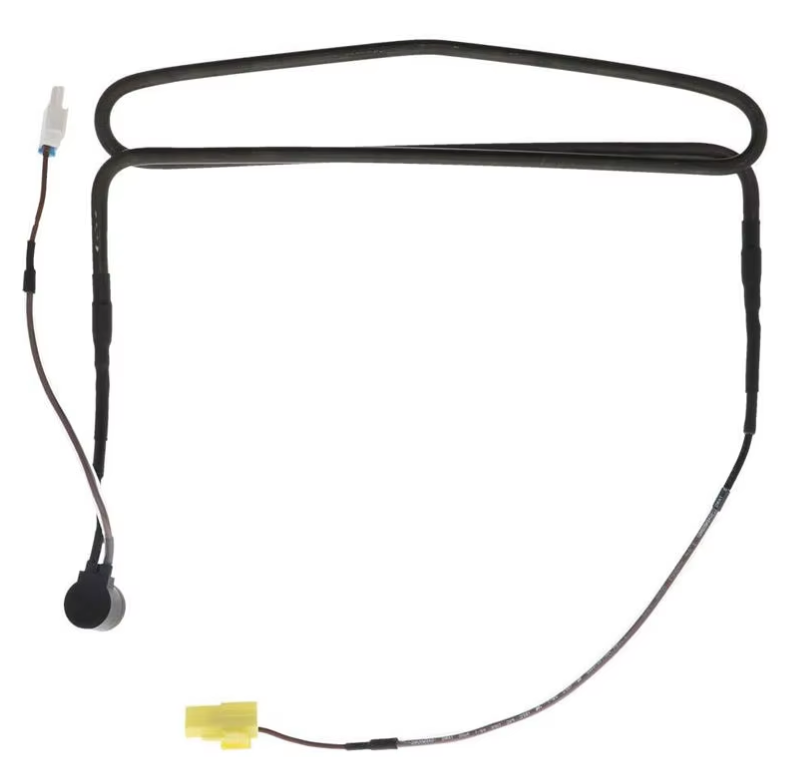

Jointgo is a leading home appliance parts factory with over 20 years of production experience. We specialize in manufacturing dryer parts, washing machine parts, kitchen appliance parts, etc. Factory direct sale, wholesale price, fast shipment. Our products are compatible with major brands like Whirlpool, LG, and Samsung. Customization services are available. Trust us for all your home appliance parts needs.
Copyright © 2025 by Ningbo Jointgo Electronics Co., Ltd. Privacy Policy
 EN
EN