 EN
EN

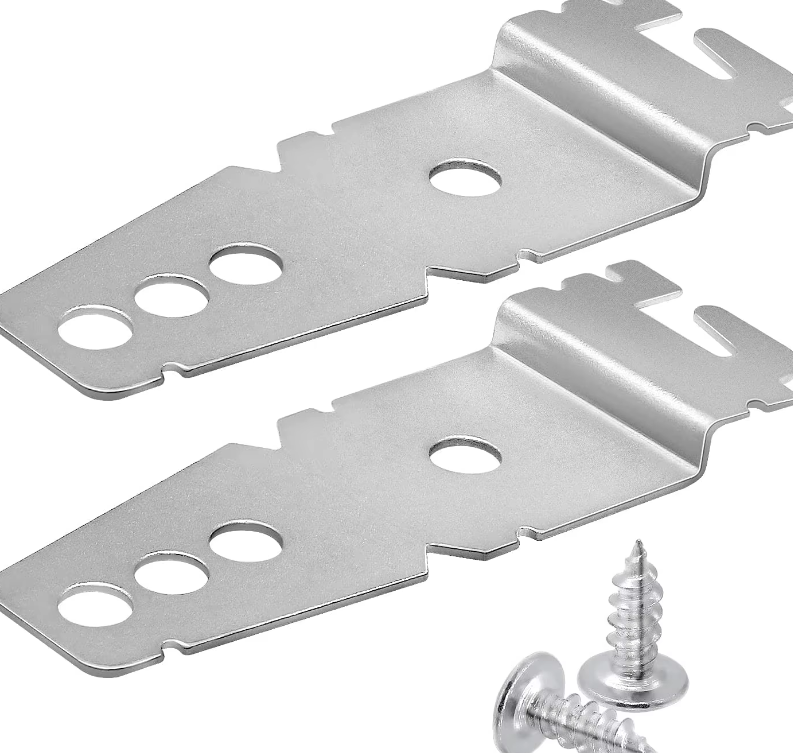
Cost Efficiency and Inventory Management for Bulk Dishwasher Parts
Economies of Scale vs. Obsolescence Risk for Common Dishwasher Parts
Buying dishwasher parts in bulk can save anywhere from 15 to 30 percent per unit when ordering large quantities, particularly for common items that get replaced often such as spray arms and door seals. The problem is technology changes so fast these days that parts become obsolete pretty quickly. According to Supply Chain Quarterly from last year, about one out of every five appliance parts gets pulled off shelves within just five years after their models come out. To handle this situation better, many companies now keep two different approaches for their inventory. They tend to buy lots of things that wear out regularly like gaskets and filters, but they're much more careful about stocking those special electronic components made specifically for certain machines. Looking at which parts actually cause most repairs makes sense too. Most businesses find that around 20% of all parts account for roughly 80% of repair requests. By concentrating resources on these key items, companies cut down on extra stock expenses while still maintaining good service levels.
MOQs, Storage Requirements, and Shelf-Life Constraints
Minimum order quantities (MOQs) for dishwasher parts typically begin at 250 units, requiring 20–35 sq ft of warehouse space per 1,000 components. Rubber-based items—including door gaskets and hoses—degrade even under climate-controlled conditions, with functional shelf life limited to 3–5 years. To optimize storage and minimize waste:
- Use Economic Order Quantity (EOQ) modeling to balance bulk discounts against carrying costs
- Enforce FIFO rotation for time-sensitive components
- Deploy vertical racking to increase storage density by up to 40%
- Align demand forecasting with seasonal repair trends
Warehouse management systems help prevent over $74,000 in annual losses from expired or damaged inventory (Ponemon Institute, 2023). Adding humidity-controlled storage zones extends the usable shelf life of critical seals and hoses by 18 months—directly supporting reliability and reducing replacement frequency.
Ensuring Compatibility and Accuracy When Sourcing Dishwasher Parts
Model Number Identification and Cross-Reference Best Practices
Finding the right dishwasher model number should be the first thing anyone does when looking for replacement parts. Most manufacturers put these codes on labels either inside the door frame or on the kick plate at the bottom front. The model number tells everything needed about the appliance including size requirements, electrical needs, and how it attaches to plumbing systems. Before placing any orders, double check those numbers against what shows up in the company's official manuals or through reliable online part databases. Getting this wrong leads to all sorts of problems down the road from parts that just won't fit to expensive return shipping costs. To avoid headaches later on, create a simple system for tracking model numbers right from day one of installation. Have everyone on the maintenance crew write them down clearly and keep records handy so there's no guesswork involved when parts need replacing months or years later.
Brand-Specific and Generational Compatibility Pitfalls
Most parts won't work together even if they come from the same manufacturer's different models. Companies tend to change things like wash arms, control boards, and door latches whenever they release new versions, which creates small but real problems when trying to mix parts. Take drain pumps for example they might look like they'll fit just fine, but could still be wrong because of differences in power requirements, water flow capacity, or how the mounting brackets are shaped. Don't rely on what something looks like when checking if it fits properly. Look at those spec sheets instead. Some research done last year showed that using the wrong electronics parts, say control panels that don't match exactly, can lead to breakdowns happening about 34% more often than expected. So double check those part numbers against both the brand name and the specific model generation before installing anything to prevent headaches down the road and save money on replacements sooner than planned.
OEM vs. Aftermarket Dishwasher Parts: Balancing Cost, Quality, and Support
Performance, Warranty Coverage, and Real-World Failure Rates
Buying dishwasher parts in bulk means the choice between OEM and aftermarket parts shouldn't just come down to what's cheapest upfront. The performance difference is actually pretty big. Aftermarket parts tend to break down about 2.3 times quicker than original ones when exposed to those intense heat conditions inside commercial dishwashers, as shown in last year's Commercial Maintenance Data report from JointGO Parts (their study on appliance part reliability). Facilities that go with cheaper third party components end up facing around 40% more downtime each year because of these failures. And let's not forget about warranties either which makes things even worse for businesses choosing non-OEM solutions.
- OEM parts carry 12–24-month manufacturer warranties covering defects and secondary damage
- Aftermarket parts typically offer only 90-day limited coverage, excluding labor and consequential failures
In high-usage settings—such as commercial kitchens—the long-term cost of recurrent replacements erodes 65% of initial savings within three years. For mission-critical components, verified failure metrics and comprehensive warranty protection outweigh short-term cost advantages.
Selecting Reliable Wholesale Suppliers for Dishwasher Parts
Choosing a reputable wholesale supplier directly impacts repair efficiency, part longevity, and total cost of ownership. Prioritize vendors with documented quality assurance practices—such as ISO 9001 certification—which correlate with 30% fewer premature failures (Appliance Service Association benchmark data). Evaluate suppliers using four non-negotiable criteria:
- Inventory Depth: Consistent availability of high-demand components—pumps, heating elements, and control boards—is essential to avoid repair delays
- Lead Time Reliability: Historical delivery consistency matters more than quoted SLAs—verify via trade references
- Technical Documentation: Require up-to-date installation guides, wiring diagrams, and cross-brand compatibility matrices
- Return Protocols: Clear, no-hassle processes for defective or incorrect parts reduce administrative overhead and downtime
Businesses that implement real time inventory management tend to cut down on backordered items by around 40 percent when compared to companies still using paper based tracking methods. When looking at potential supplier partnerships, it's wise to run some test samples and check actual customer feedback from other businesses in the industry. This becomes even more important for parts that are essential to operations such as door seals and control panels. Poor quality here can lead to significantly more service calls, sometimes doubling the number needed over time according to field reports. Working closely with suppliers who have been thoroughly checked out helps maintain good quality standards throughout all repair work, which ultimately saves money and headaches in the long run.