A "digital refrigerator thermostat" is an electronic control system that replaces analog dials with digital interfaces (LCD/LED screens) to deliver precise, user-friendly temperature management for full-sized residential and small commercial refrigerators (250L+). Its core advantage is numerical temperature visibility—users set and monitor exact values (e.g., 4°C for the fridge compartment, -18°C for the freezer) instead of vague "cold" or "coldest" labels, aligning with global food safety guidelines (WHO recommends 2°C-8°C for fridge storage). Key technical features include a high-precision NTC thermistor (±0.3°C accuracy), programmable memory (retains settings during power outages), and adaptive cooling algorithms (adjusts compressor runtime based on door opening frequency—e.g., increasing cooling after holiday meal prep). Many models integrate smart functions: Wi-Fi connectivity enables remote control via smartphone apps (e.g., lowering the temperature before a grocery delivery), while energy monitoring displays daily/weekly kWh usage to help users reduce costs. User-centric design elements include backlit screens (for low-light kitchen visibility), large buttons (easy to use for elderly users), and °C/°F switching (critical for North American vs. global markets). Durability is enhanced by solid-state components (no moving parts to wear out), extending lifespan to 10-12 years vs. 5-7 years for mechanical thermostats. Compliance with efficiency standards is mandatory: EU models meet EcoDesign Directive (ERP) requirements, North American units follow DOE efficiency ratings, and Asian models adhere to GB 12021.2. Aftermarket options cost \(40-\)90, with universal wiring harnesses fitting most major brands (Samsung, LG, Panasonic) and multilingual user manuals (supporting 5+ languages) to suit diverse cultural backgrounds.
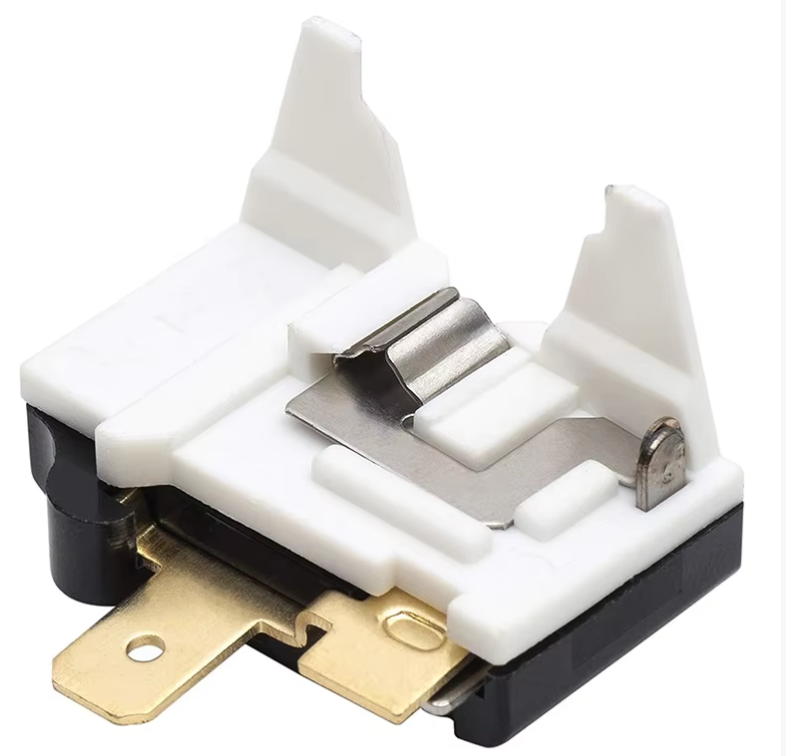
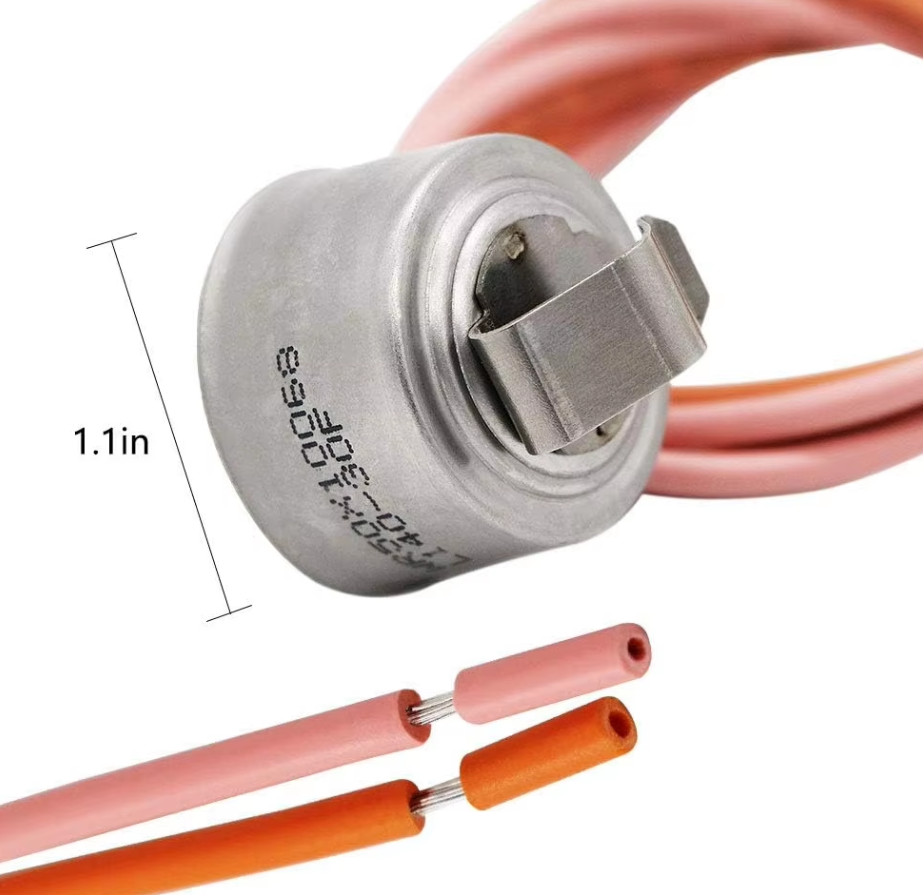
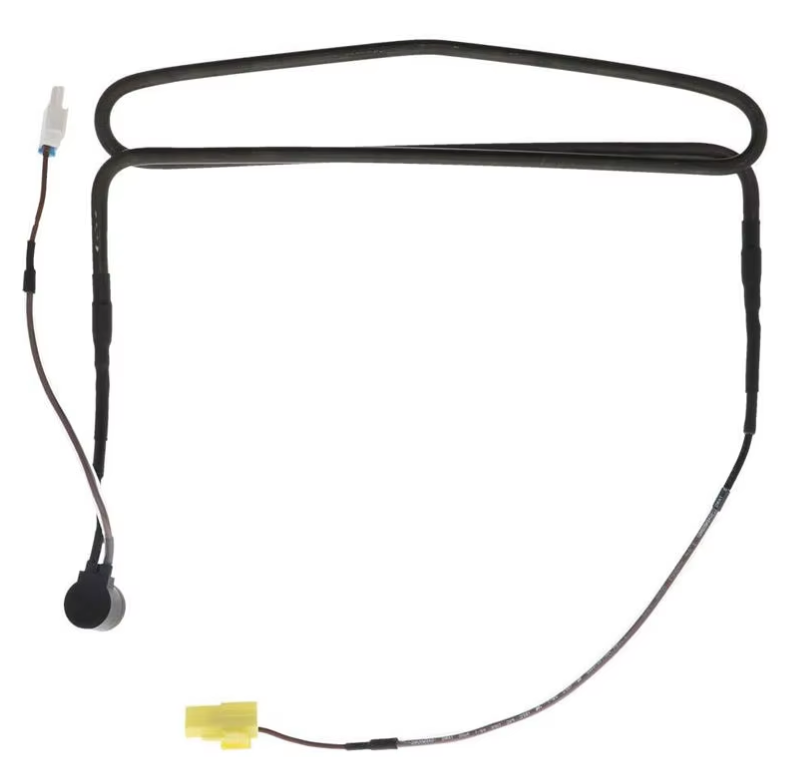

Jointgo is a leading home appliance parts factory with over 20 years of production experience. We specialize in manufacturing dryer parts, washing machine parts, kitchen appliance parts, etc. Factory direct sale, wholesale price, fast shipment. Our products are compatible with major brands like Whirlpool, LG, and Samsung. Customization services are available. Trust us for all your home appliance parts needs.
Copyright © 2025 by Ningbo Jointgo Electronics Co., Ltd. Privacy Policy
 EN
EN