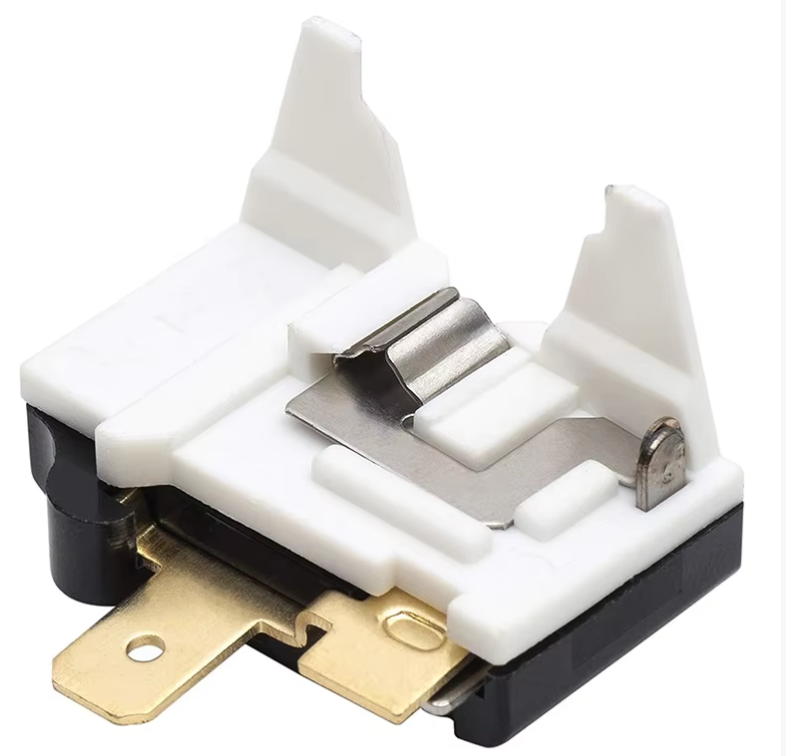
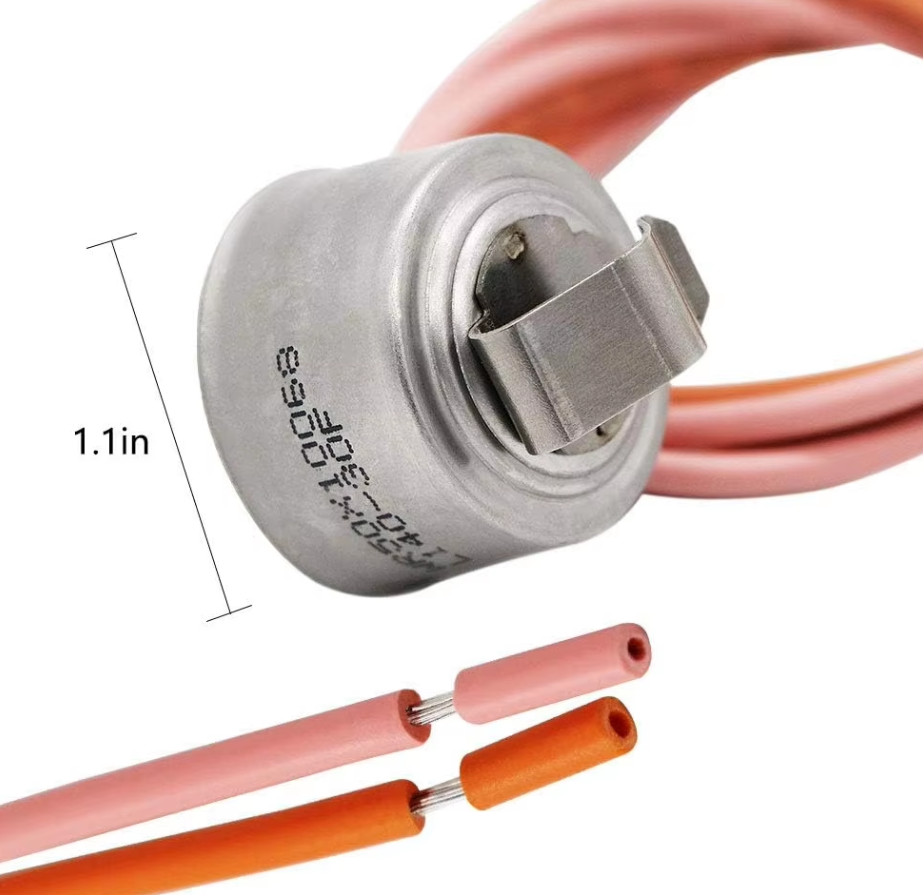
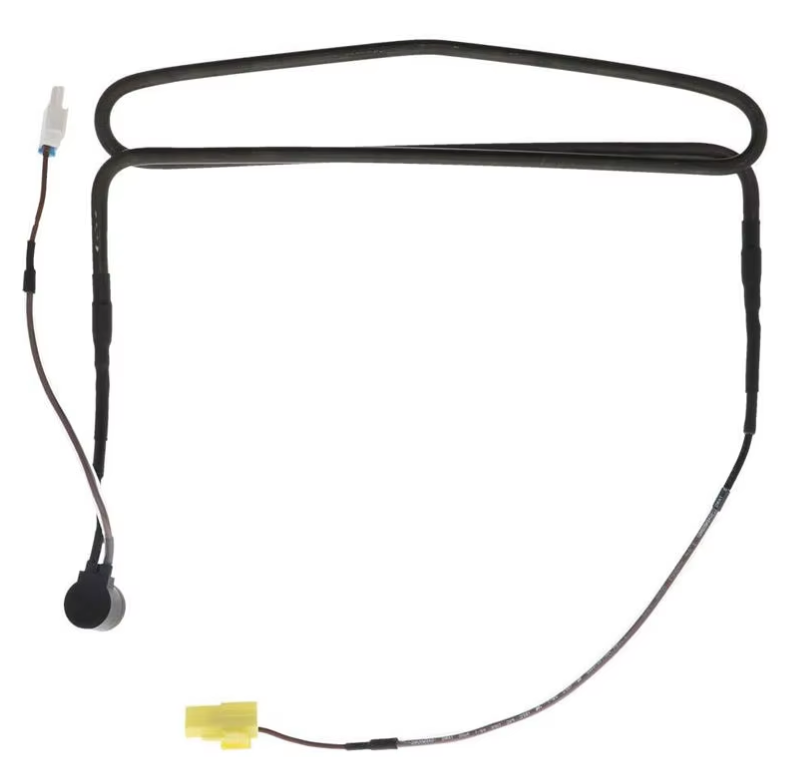
A refrigerator defrost thermostat (also called a defrost limit thermostat) is a safety-critical component that prevents excessive heating during the defrost cycle, protecting the fridge’s evaporator coil and surrounding components from damage. It works in tandem with the defrost timer and defrost heater: when the timer initiates a defrost cycle (every 8–12 hours, lasting 10–30 minutes), the heater melts frost buildup on the evaporator coil, and the defrost thermostat monitors the coil’s temperature. Constructed with a bimetallic sensor, it triggers a switch to deactivate the heater once the coil reaches a preset temperature (typically 5°C to 10°C)—preventing the coil from overheating and causing food spoilage in the 冷藏室 (refrigerator compartment). It also resets automatically when the coil cools back to a low temperature (-5°C to 0°C), allowing the fridge to resume normal cooling. Key specifications include a temperature range of -40°C to 60°C (to handle fridge/freezer extremes) and a contact rating of 10A/250V (to support defrost heater power draw). Faults in the defrost thermostat often lead to two issues: if it fails open (no continuity), the heater never activates, causing excessive frost buildup (reducing cooling efficiency and blocking air flow); if it fails closed (stuck on), the heater runs continuously, leading to overheating (warmer fridge temperatures, melted freezer items) and potential heater burnout. Replacement requires matching the thermostat’s temperature rating and mounting style (clip-on to the evaporator coil vs. screw-mounted) to the refrigerator model (e.g., GE, LG, Siemens). Global standards like CE (Europe) and CCC (China) ensure compatibility with regional electrical systems, while OEM and aftermarket parts cater to diverse market needs, from residential to commercial refrigerators.

Jointgo is a leading home appliance parts factory with over 20 years of production experience. We specialize in manufacturing dryer parts, washing machine parts, kitchen appliance parts, etc. Factory direct sale, wholesale price, fast shipment. Our products are compatible with major brands like Whirlpool, LG, and Samsung. Customization services are available. Trust us for all your home appliance parts needs.
Copyright © 2025 by Ningbo Jointgo Electronics Co., Ltd. Privacy Policy
 EN
EN