 EN
EN

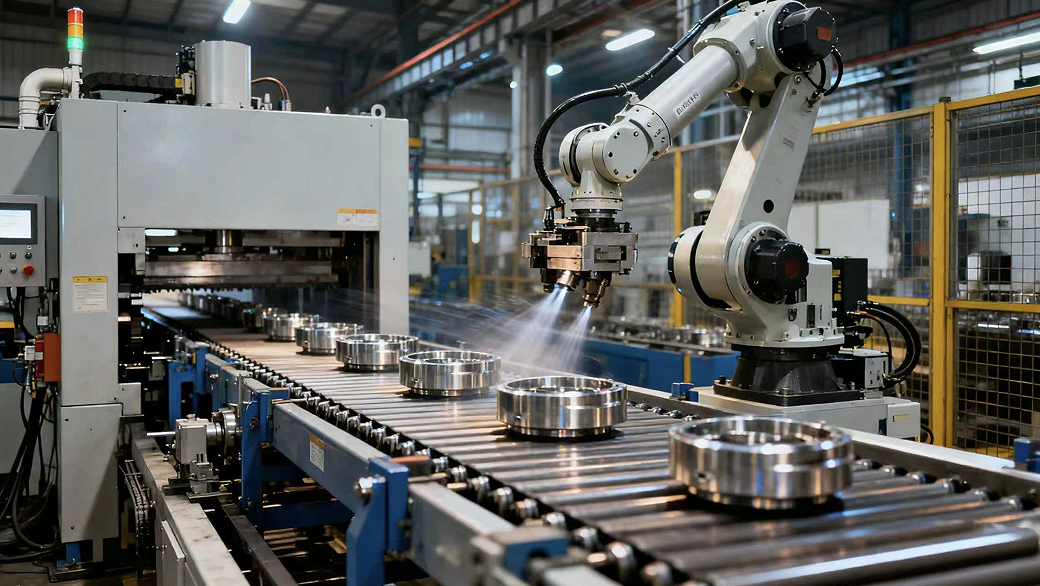
Authenticity and Quality of Appliance Parts: The Foundation of Reliable Sourcing
Understanding the Value of Third-Party Testing Labs' Approval for Authentic Appliance Parts
Testing labs that aren't affiliated with manufacturers are really important when it comes to checking if appliance parts actually comply with those global safety and performance rules we all talk about. When these independent groups put components through their paces, they basically see if they'll hold up against what happens in everyday use instead of just looking good on paper. This helps cut down on things breaking too soon or causing bigger problems down the line. Take electric motors as an example. Labs run tests where they spin them for tens of thousands of times following specific industry guidelines (like the IEC 60730 ones). Motors that pass these rigorous checks tend to last much longer than those that haven't gone through such thorough testing. Manufacturers know this makes sense because nobody wants to deal with customer complaints about parts failing after only a few months of normal use.
The Role of Quality Assurance & Certification in Evaluating Appliance Parts Suppliers
Suppliers who have proper quality management systems in place, like ISO 9001 certification, tend to be much more dependable compared to ones that don't bother with such standards. According to some research from 2023 looking at supply chains, factories with these certifications saw their defect problems drop by about 63 percent when stacked against competitors without them. Looking at potential suppliers? Definitely put emphasis on companies that actually check their work throughout production. Good quality assurance isn't just paperwork either it involves checking materials before they even go into production, spot checks during manufacturing, and final tests on each batch to make sure what gets shipped out meets expectations consistently.
Navigating Quality Certifications and Compliance Labels for Home Appliance Parts
Compliance labels are essential markers of regulatory adherence and safety in global markets:
- UL/CSA Marks: Confirm electrical safety compliance in North America
- CE Marking: Indicates conformity with EU health, safety, and environmental standards
-
RoHS Certification: Ensures limits on hazardous substances like lead and cadmium
These certifications not only support market access but also reduce legal and operational risks associated with noncompliant parts.
Challenges with Counterfeit Appliance Parts in the Global Sourcing Market
Fake parts keep causing problems all over the world, making up around 6.8 percent of appliance components shipped across borders based on what the World Customs Organization reports. The knockoff versions usually miss out on important tests for how long they'll last, and customs records indicate about 42 percent break down within just six months after installation. Companies need to put in place solid checks against these fakes. That means asking for complete paper trails showing where everything came from, verifying who actually owns the mold tools used in production, and doing surprise visits to manufacturing sites without warning. Taking multiple steps like this helps maintain trust in the supply chain while keeping products working properly and customers safe from faulty components.
Supplier Reliability and Supply Chain Resilience for Steady Appliance Parts Supply
Evaluating Delivery Performance and Logistics Stability in Appliance Parts Sourcing
When looking at how reliable a supplier actually is, their ability to deliver on time stands out as one of the most important factors. The best suppliers usually hit delivery rates over 95% most of the time, sometimes even when things get really busy. They work with logistics companies that can handle rush orders pretty quickly, often getting stuff sorted within two days. When checking out possible suppliers, it makes sense to look at whether they offer real time tracking for shipments and have good records with past logistics issues, especially around busy ports where delays happen all the time. More and more businesses now want to see some kind of integrated dashboard system connected through APIs before they commit to working together. These dashboards help companies spot problems early and adjust plans accordingly, which saves money and keeps operations running smoothly.
Assessing Supplier Risk Exposure and Operational Reliability
When looking at how resilient suppliers really are, companies need to check where they're located geographically, their financial health, and what kind of backup plans they have in place. According to the latest Global Supplier Risk Index from 2023, almost 3 out of 10 appliance part makers operating in risky areas don't have other places to get materials from if something goes wrong. That makes them pretty vulnerable when supply chains hit rough patches. Smart businesses should go for suppliers who can produce goods in multiple regions and actually have written down what they'd do during disasters. Bonus points if these plans follow the ISO 22301 standard for keeping operations running smoothly even during tough times. Companies that prioritize this stuff tend to weather crises much better than those relying on single-source suppliers without proper contingency measures.
Case Study: Managing Disruptions in Appliance Parts Supply During Global Logistics Crises
When the massive container ship got stuck in the Suez Canal back in 2021, it caused major delays for about 12% of all global appliance parts. This incident really brought home just how crucial adaptable supply networks actually are. Companies that had built strong contingency plans managed to react pretty quickly too. Within three days they started using those backup shipping lanes they had already approved, pulled stuff from their local stockpiles, and even implemented some fancy computer programs to figure out new delivery paths. Looking at what happened next was pretty telling. The businesses with these flexible supply chain setups bounced back around 43 percent quicker compared to the old fashioned straight line approach most others used. So yeah, when everything goes sideways, being able to pivot fast definitely makes all the difference.
Building Redundancy and Resilience Into Your Appliance Parts Sourcing Strategy
Adopt a tiered supplier strategy to enhance supply continuity:
| Tier | Description | Coverage |
|---|---|---|
| 1 | Primary partners | 60% volume |
| 2 | Qualified alternates | 30% volume |
| 3 | Emergency suppliers | 10% volume |
| To enable rapid scale-up during disruptions, maintain parallel tooling at Tier 2 facilities and conduct quarterly cross-training with backup suppliers, ensuring seamless production transitions when needed. |
Cost Competitiveness Balanced with Long Term Quality and Durability
Balancing Low Cost With High Durability in Home Appliance Parts Procurement
Good procurement practices really come down to weighing what something costs at first versus how well it performs over time. According to Frigate.ai's latest data from 2024, around 58 percent of procurement folks still fixate on just the sticker price. But forward thinking businesses have moved beyond this approach, adopting Total Cost of Ownership calculations that take into account things like regular maintenance requirements and how often parts tend to fail. The numbers back this up too. Mid range polymer parts that carry ISO 9001 certification typically outlast cheaper options by about 34%, even though they set businesses back 12 to 18 percent more money when purchased. These components ultimately offer far better value for money in the long run despite their higher initial investment.
Market Demand for Replacement Appliance Parts Driven by Longer Product Lifespans
As average appliance lifespans extend from 5.8 years in 2018 to 7.2 years in 2024, demand for replacement parts has surged. Third-party suppliers meeting this need have grown 19% year-over-year by offering OEM-compatible components that comply with IEC safety standards. Consumers increasingly prefer repairing devices over replacing them, driving growth in the aftermarket sector.
Avoiding Hidden Costs From Low-Quality Appliance Parts Suppliers
Poor quality parts keep coming back as one of the top reasons customers file warranty claims. The numbers tell the story pretty clearly: fake compressor valves and faulty heating elements account for around 23 percent of all repair problems according to that Global Parts Consortium report from last year. When companies start doing serious checks on their suppliers, especially looking at whether they meet those ISO 14001 standards for managing environmental impact, something interesting happens. After sale failures drop off quite a bit, actually cutting down by about 41%. Sure, working with certified suppliers might mean paying extra upfront for each component. But over time, these suppliers tend to deliver consistent results which means fewer surprises down the road. The long term savings usually outweigh the initial price difference when looking at total costs across the product's lifespan.
After Sales Support and Technical Service: Critical Factors in Supplier Selection
Why Responsive Customer Service Builds Trust in Appliance Parts Partnerships
Good after sales support makes all the difference when it comes to keeping suppliers happy long term. Companies that offer round the clock tech help and full service packages cut down on downtime because they fix problems fast. And this matters a lot these days since around three quarters of manufacturers put quick fixes at the top of their wish list according to Supply Chain Digest last year. Building trust happens when warranties are clear cut, support staff speak different languages, and there are actual stories showing how real world problems got sorted out successfully. These things matter more than most people realize.
Measuring After Sales Support Effectiveness for Spare Appliance Parts
Assess supplier support using three core metrics:
- Response time: Under 2 hours for urgent inquiries (industry benchmark)
- Spare parts inventory: At least 85% availability for common components
-
Technical expertise: Staff trained in remote diagnostics and field support
Suppliers exceeding 90% across these criteria reduce total lifecycle costs by 18% compared to average performers, demonstrating the financial impact of strong service infrastructure.
The Trade Off: Low Cost Suppliers vs. Premium Partners With Full Technical Backing
While budget suppliers do cut prices by around 20 to 30 percent, there are usually catches worth noting. Lead times tend to stretch out about 42% longer than average, plus getting help when needed can be tough. On the flip side, going with premium suppliers actually pays off better in the long run. They provide all sorts of useful services throughout the product life cycle like proper operator training, smart maintenance schedules, and keeping everyone updated on regulations. Looking at numbers over a five year period shows something interesting these extra services create returns roughly three times higher than cheaper alternatives. So even though upfront costs might seem steep, thinking ahead makes the premium option look like the wiser choice for most businesses.
Table of Contents
-
Authenticity and Quality of Appliance Parts: The Foundation of Reliable Sourcing
- Understanding the Value of Third-Party Testing Labs' Approval for Authentic Appliance Parts
- The Role of Quality Assurance & Certification in Evaluating Appliance Parts Suppliers
- Navigating Quality Certifications and Compliance Labels for Home Appliance Parts
- Challenges with Counterfeit Appliance Parts in the Global Sourcing Market
-
Supplier Reliability and Supply Chain Resilience for Steady Appliance Parts Supply
- Evaluating Delivery Performance and Logistics Stability in Appliance Parts Sourcing
- Assessing Supplier Risk Exposure and Operational Reliability
- Case Study: Managing Disruptions in Appliance Parts Supply During Global Logistics Crises
- Building Redundancy and Resilience Into Your Appliance Parts Sourcing Strategy
- Cost Competitiveness Balanced with Long Term Quality and Durability
- After Sales Support and Technical Service: Critical Factors in Supplier Selection