 EN
EN

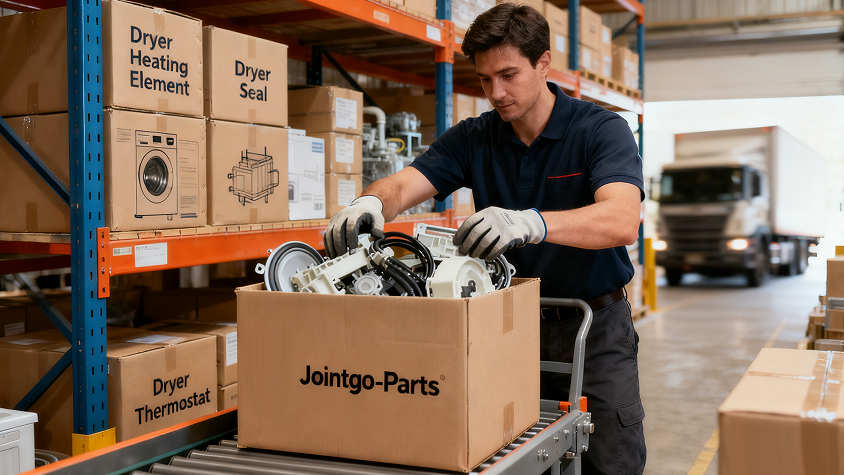
Strategic Inventory Planning for Rapid Dryer Parts Fulfillment
Demand Forecasting and Safety Stock Optimization for High Turnover Dryer Parts
Getting good at predicting demand can save companies from expensive equipment downtime during production runs. When it comes to parts that wear out fast on dryers like heating elements, conveyor belts, and motor units, looking at at least two years worth of how much gets used helps spot trends. The data shows when these components typically fail, what seasons see higher usage, and how often they need replacing. With this information, maintenance teams can plan orders based on actual needs instead of guesswork. It also works well with EOQ models that help figure out the sweet spot between keeping enough inventory without tying up too much cash. This becomes really important for businesses buying large quantities since it puts less pressure on their operating budgets while still making sure there's always something in stock when needed.
Safety stock must reflect real world supplier variability—not just theoretical lead times. A leading dryer OEM reduced emergency air shipments by 37% after aligning buffer inventory with observed lead time fluctuations across its Tier 1 supplier network. The following table illustrates targeted safety stock factors and their operational impact:
| Critical Dryer Part | Safety Stock Factor | Optimization Impact |
|---|---|---|
| Motor assemblies | 1.8× average demand | Reduced unplanned downtime by 28% |
| Thermal fuses | 2.2× peak seasonal usage | Cut rush orders by 41% |
Integrate predictive maintenance signals directly into inventory workflows: sensors monitoring drum bearing wear or motor temperature can auto trigger replenishment before failure occurs. This proactive alignment of maintenance schedules and inventory planning sustains production continuity while avoiding overstocking low velocity spares.
Managing Seasonal Spikes and Critical Spare Parts Inventory
Seasonal demand surges—like the 60% increase in dryer belt failures observed in textile plants during humid summer months—require forward looking preparation. Pre stock high failure components 8–10 weeks ahead of peak seasons using historical weather correlation data and facility level failure logs.
Apply ABC analysis to prioritize inventory investment:
- Category A: Mission critical parts (e.g., control boards, main drive motors) causing ≥4 hours of downtime if unavailable
- Category B: High usage consumables (seals, gaskets, thermostats) with stable, predictable failure curves
- Category C: Low cost, non critical items with minimal operational impact
Setting up fast access storage areas right next to loading docks works wonders for getting Category A items out the door on the same day they're ordered. Take one large laundry chain as an example—they managed to slash their urgent air shipping costs by almost three quarters of a million dollars each year according to research from the Ponemon Institute back in 2023. They did this by organizing their warehouse space into different tiers and constantly adjusting where things are stored based on what customers actually need when. And don't forget those regular checks of inventory levels too. Schedule these assessments during routine maintenance periods so we can match our stock with how much equipment gets worn down over time instead of just going off what month it happens to be.
Supplier Collaboration and Sourcing Resilience for Dryer Parts
Building Agile Supplier Partnerships with Domestic and Tier 1 Dryer Parts Manufacturers
Building resilience in sourcing begins by focusing on true partnerships rather than just buying stuff off a list. Companies should work closely with local makers and top tier suppliers through things like forecasting groups and inventory sharing systems. These might include those cloud based dashboards we see so much these days. When procurement folks can actually see what's going on with production lines, material shortages, and scheduling issues in real time, they're better equipped to handle sudden changes. And this matters most for parts that get used up fast, think about those heating elements or drum rollers that always seem to disappear from stock shelves.
Commercial laundry businesses have seen around 30% quicker turnaround when they work with core suppliers through vendor managed inventory programs, especially busy periods. The real magic happens though when companies set up those shared risk reward arrangements where both sides commit to certain volumes while getting incentives for hitting service targets. This kind of partnership usually means better treatment when parts are scarce or demand spikes unexpectedly. To really get the most out of these supplier relationships, many successful operations run supplier development sessions twice a year. These workshops typically focus on bringing everyone up to speed with quality standards like ISO 9001 requirements and speeding up how fast new components can be approved for production.
Dual Sourcing and Standardized Component Strategies to Reduce Lead Times
Having backup sources for essential parts like motors, thermostats, and control boards gives companies instant protection against supply chain problems. When looking at other manufacturers, they need to check if these alternatives meet exactly the same specs and perform just as well so there are no surprises when switching suppliers. Combine this approach with making similar components work across different products. Standardizing things like belt tensioners, control panels, and mounting hardware makes buying easier, cuts down on the number of different items we have to track, and speeds up restocking when needed. This kind of planning pays off in the long run, especially during those unexpected market shifts or production hiccups.
| Strategy | Impact on Lead Times | Inventory Efficiency |
|---|---|---|
| Dual Sourcing | 45–60% reduction in critical path delays | 5–7% decrease in required safety stock |
| Standardization | 30% reduction in active SKUs | 20% faster cycle times for replenishment |
This harmonization enables bulk order consolidation, stronger negotiation leverage, and modular design compatibility across dryer generations—turning procurement agility into a competitive advantage.
End to End Logistics Acceleration for Bulk Dryer Parts Orders
Real Time Visibility and Pre Allocated Transport for Dryer Parts Shipments
When it comes to moving bulk dryer parts from warehouses to installation sites, real time logistics visibility has completely changed the game thanks to IoT tracking systems and TMS platforms working together. Distributors can now keep tabs on shipments as they happen, check what's happening with sensitive items like thermal fuses that need specific temperatures, and track progress against set milestones using geofencing technology. This allows companies to adjust routes on the fly if there's traffic jams, bad weather hits, or carriers run late somewhere along the way. For textile plants where every minute of downtime costs over half a million dollars, this kind of flexibility makes all the difference in keeping operations running smoothly without unexpected interruptions.
When companies pre book their transportation needs instead of scrambling at the last minute, they avoid those frustrating bottlenecks that slow everything down. Things like reserving special truck lanes ahead of time, locking in air freight spots through contracts, and building solid relationships with local LTL carriers gives priority access for big volume shipments or urgent deliveries. Pair this strategy with smart software that consolidates loads and predicts transit patterns, and businesses typically see transit times drop between 15 to 30 percent while saving as much as 22% on rush shipping fees. Inside warehouses, automated systems scan items with barcodes and RFID tags during picking, packing, and shipping operations. This tech helps maintain nearly perfect accuracy rates around 99.9% before anything leaves the facility. What happens next? The whole process becomes a well timed dance where inventory management kicks off shipments, logistics teams handle execution, and live tracking data keeps everyone informed. Everything works together to hit those tight 48 hour delivery promises that industrial customers demand.
| Logistics Component | Bulk Order Impact | Efficiency Gain |
|---|---|---|
| Real Time Tracking | Dynamic delay mitigation | 20% fewer missed deadlines |
| Pre Allocated Transport | Guaranteed capacity during peaks | 25% faster transit |
| Consolidated Shipping | Fewer handling touchpoints | 18% lower freight costs |
| Automated Verification | Error reduction pre shipment | 99.9% order accuracy |
Performance Accountability: Measuring and Improving OTIF for Dryer Parts
OTIF stands for On Time In Full and serves as the gold standard metric when evaluating how well bulk dryer parts are flowing through the supply chain. It looks at two main things: whether deliveries arrive on schedule and if all items in an order actually show up. Laundry operations that hit or exceed 98% OTIF rates tend to experience far less equipment downtime. The numbers tell the story pretty clearly too. According to a study from Industrial Maintenance Report back in 2023, every single hour that machines sit idle costs around $740,000 in lost production and extra labor expenses. Smart distributors know this and have started using live dashboards to keep tabs on their OTIF performance across three different operational levels that matter most in day to day business decisions.
| Measurement Focus | Actionable Insight | Improvement Driver |
|---|---|---|
| On Time Arrival Rate | Identifies recurring carrier bottlenecks or routing inefficiencies | Optimized carrier scorecard and routing guide compliance |
| Order Fill Accuracy | Highlights picking, packing, or labeling gaps | Warehouse workflow standardization and automated verification |
| Damage Free Deliveries | Pinpoints handling vulnerabilities or packaging failures | Enhanced protective packaging protocols and carrier training |
Proactive OTIF management begins with quarterly baseline audits, followed by targeted interventions—such as staggered shipping waves for high velocity components or dynamic safety stock rebalancing. Partners consistently exceeding industry OTIF benchmarks (≥97.5%) demonstrate 15–30% faster emergency fulfillment response times—directly reducing customer downtime and reinforcing trust in the supply chain.
Operational Flexibility to Meet Urgent Dryer Parts Demand
Expedited Fulfillment Pathways: Same Day Picking, Cross Dock, and Multi Channel Routing
When critical dryer parts failures halt production, speed is non negotiable. Top performing distributors deploy three complementary acceleration pathways:
- Same day picking, supported by dedicated “hot zone” warehouse areas and voice pick technology, cuts processing time by 50% versus standard workflows;
- Cross docking bypasses storage entirely—receiving inbound shipments and transferring them directly to outbound transport at logistics hubs, eliminating handling delays;
- Multi channel routing dynamically assigns carriers based on real time capacity, weather forecasts, destination ZIP code density, and service history—leveraging regional LTL partners for last mile speed and reliability.
This tiered model delivers 24 hour fulfillment for 92% of emergency orders, especially during peak maintenance seasons. Integrated with automated inventory alerts, these workflows activate automatically when safety stock thresholds are breached—creating a closed loop response system that anticipates unplanned demand spikes before they escalate into operational crises.
Table of Contents
- Strategic Inventory Planning for Rapid Dryer Parts Fulfillment
- Supplier Collaboration and Sourcing Resilience for Dryer Parts
- End to End Logistics Acceleration for Bulk Dryer Parts Orders
- Performance Accountability: Measuring and Improving OTIF for Dryer Parts
- Operational Flexibility to Meet Urgent Dryer Parts Demand