 EN
EN

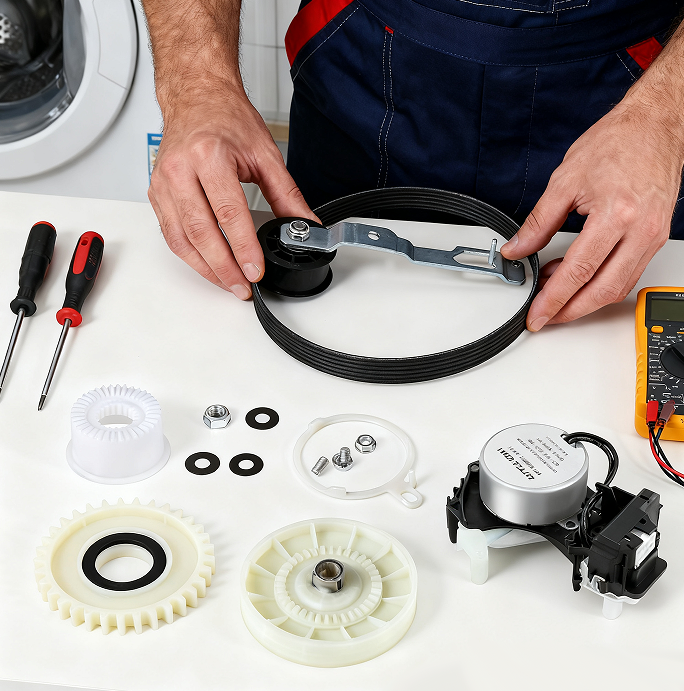
Top 3 High-Demand Washing Machine Parts Driving Repair Shop Inventory Decisions
Water inlet valves: 1 replacement part due to pressure, sediment, and voltage stress
The water inlet valve tends to be the part that gets replaced most often in washing machines, making up about 32% of all service calls at repair shops according to industry data from 2024. These valves typically break down because of several connected problems. First, mineral buildup inside the ports gets them clogged over time. Second, inconsistent water pressure wears out those rubber seals pretty fast. And third, unexpected voltage surges can fry the solenoid coils. When these valves go bad, the whole filling process stops dead in its tracks. That's why repair shops tend to keep plenty of universal valves on hand. These generic options work with around 80% of home washing machines out there, so technicians can fix things quickly without needing to stock every single brand specific model separately.
Drain pumps and valves: critical failure points in HE front-load washers
Front load washing machines tend to have problems with their drainage systems about 40 percent more often than regular top loaders do. This happens mainly because these machines have drums positioned horizontally and they spin really fast, sometimes going up to 1400 revolutions per minute. All that spinning puts extra stress on things like impellers and valves inside the machine. People often find that small objects like coins get stuck, along with hair and all sorts of lint that builds up over time, causing parts to stop working properly. Repair stores in cities typically stock three times as many drain pumps as those in smaller towns simply because there are so many high efficiency washers packed into apartment buildings. When something goes wrong, fixing it usually costs around $187 while buying a whole new washer would set someone back nearly $942. Because repairs happen so frequently, this kind of breakdown continues to drive a lot of business for appliance repair shops across the country.
Door lock assemblies: safety-critical components with rising volume from thermal and mechanical wear
Interlock switches, which are basically door lock assemblies, account for around 18 percent of all service calls made to homes. Most failures happen because of two main issues. First, when water gets really hot inside appliances, the plastic parts expand and contract so much over time that they start to break down. Second, after opening and closing thousands of times, tiny cracks form in the housing where sensors sit. We're seeing these problems crop up more often since appliances typically need their first big fix around year eight or nine. Appliance repair folks tell us something interesting too. When they install original manufacturer parts instead of generic alternatives, customers end up calling back about 67% less frequently. Makes sense really, considering how important proper function is for safety reasons compared to other parts that aren't quite as critical.
The Growing Role of Electronics: Control Boards and Console Panels in Modern Repairs
Surge related failures and embedded diagnostics fueling preemptive board replacements
Around 42 percent of control board failures in today's washing machines actually come from power surges, based on data from the latest Appliance Repair Journal report in 2024. The good news is that newer machines have these fancy diagnostic systems built in which can spot problems before they get bad. Technicians see codes like F7E3 when there's voltage issues or E23 for communication problems, so they can swap out boards before everything stops working completely. Most major brands do include some kind of surge protection in their newer boards these days, but this extra feature does cost about $12 to $18 more per appliance. Shops that handle these repairs regularly have noticed something interesting too: when they replace both the control board and the front panel at the same time after a surge incident, customers tend to call back 31% less often. Why? Because sometimes old panels don't play nice with new boards, and hidden issues pop up later on.
OEM vs. generic ROI: why mid-tier shops prioritize authentic washing machine parts for reliability
Repair shops at the mid level typically make about 28% better profits on their bottom line by going with OEM parts, despite paying around 40% extra initially for these components. According to recent data from industry benchmarks in 2024, genuine OEM parts fail only 15% less over five years compared to generic alternatives. The difference in reliability makes a real impact on day to day operations. Shops that stick with authentic parts handle roughly 19% fewer warranty issues each year, save approximately 18 minutes of labor time during callbacks, and prevent about three times as many repeat fixes caused by faulty generic boards. When customers get devices with non-OEM electronics installed, satisfaction plummets by 34%, which means losing business over time. Because of all this, most experienced repair operations keep separate stock specifically for OEM parts. For them, buying genuine isn't seen just as spending money but rather investing in something fundamental to keeping their business running smoothly without constant headaches from unreliable components.
Key Market Drivers Behind Rising Washing Machine Parts Demand
Economic calculus: $942 new washer vs. $187 median repair cost
When looking at the big difference in cost between a brand new washing machine that averages around $942 versus fixing problems for about $187 on average, it becomes clear why most people choose to repair their machines instead of buying new ones. Especially if the repair bill stays under $250, which is where most folks draw the line according to what industry research shows. About 78 percent of consumers will go for repairs over replacements when costs are that low. This kind of price advantage creates real demand for parts that tend to fail often, such as those water inlet valves and drain pumps we see so frequently needing replacement. Appliance makers have caught onto this too. They're designing appliances with modular components these days, making it easier for repair techs to swap out just one broken part without having to tear everything apart. This approach cuts down on wasted materials, saves time during repairs, and keeps customers from waiting weeks for service. The combination of better designed products and smart pricing strategies means there's steady business for replacement parts throughout the entire repair market.
Longer appliance lifespans (8.4 years median age at first major repair) increasing spare parts consumption
Modern washing machines typically last around 8 years before needing significant repairs these days. This longer lifespan comes from better materials that resist rust, more precise manufacturing techniques, and motors that stay insulated longer. However, just because machines last longer doesn't mean they don't wear out eventually. After running through countless cycles, even durable parts start showing signs of aging: rubber seals on doors get stiff, the bearings in pumps wear down over time, and those fancy sensors tend to lose accuracy gradually. The newer high efficiency models actually make things worse for consumers since they cram so much complicated electronics into small spaces. Most people can't find replacement parts for these components anywhere except specialty stores, and getting them fixed usually means calling in a technician. Service centers are noticing something interesting too - most machines now need at least six repairs throughout their lifetime. To keep up with demand, many repair shops are focusing more on building deeper inventories rather than just wider selections of parts.
Commercial vs. Residential Demand Patterns for Washing Machine Parts
The demand for washing machine parts varies quite a bit between repair shops servicing commercial laundromats and those dealing with residential customers. Take commercial machines for instance they run anywhere from 10 to maybe even 20 times each day in apartment complexes or coin operated laundromats. All that constant use really takes a toll on things like motors, those heavy duty drum bearings, and the big industrial drain pumps. Because these machines work so hard every single day, there's actually a pattern to when parts need replacing. A lot of business owners plan ahead and swap out pumps or bearings every three months or so after checking their maintenance records. Residential washers tell a different story altogether though. Most home units only get used around five times a week at most. But here's the catch there are just so many different brands, models from various years, and completely different setups. That leads to all sorts of unpredictable breakdowns. Some people bring in machines with broken gaskets on top loaders while others have problems with the Wi-Fi modules in their newer front loading models. Each situation seems unique somehow.
According to parts distributors, businesses tend to purchase about 37 percent more drive assemblies and structural components every quarter compared to other sectors. Meanwhile, stores catering mainly to residential customers typically carry wider selections of valves, sensors, and those specific wiring harnesses needed for particular models. The market split creates a real dilemma for shop owners. They must decide whether to specialize their inventory deeply for just 5 to 7 major commercial OEM brands, or go the other direction and stock around 50 different SKUs that cover everything from older models to newer smart home systems. Each approach demands completely different approaches when it comes to managing supplies, predicting demand, and training staff members properly.
Key divergences shaping procurement patterns:
- Usage intensity: Commercial machines log 8 more annual cycles
- Component durability: Industrial pumps withstand 50K+ cycles vs. residential 15K
- Failure predictability: Commercial wear patterns enable preventive maintenance
- Model diversity: Residential shops support 50+ brands vs. commercial 5-7 OEMs
- Lead times: Specialized commercial parts often require 3-week backorders