 EN
EN

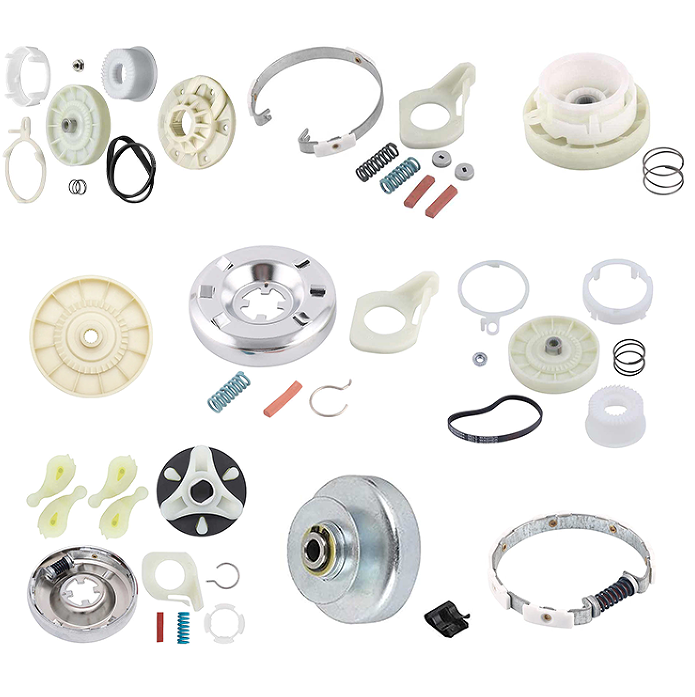
Why Top Quality Parts Directly Drive Refurbishment Profitability and Trust
ROI impact: How premium parts reduce rework, warranty claims, and customer returns
Putting money into good quality parts makes all the difference for appliance refurbishment businesses. Certified remanufactured pieces or genuine OEM components just work better over time compared to cheaper knockoffs. The difference shows up fast too. Parts fail much less often, which means technicians spend less time fixing things again later on. Some shops report cutting down on repeat repairs by around half when they switch to quality parts. Warranty claims also go way down, saving roughly between $125 and $200 per appliance in service costs. And let's not forget about what happens after sale. Appliances that hold up under actual use conditions rarely get sent back, which saves hundreds in restocking fees alone since each returned item typically costs about $75 to process. Bottom line? Good parts aren't just about doing the job right once. They turn every repair job into something that actually contributes to the bottom line instead of eating into profits.
| Cost Factor | Generic Parts Impact | Premium Parts Improvement |
|---|---|---|
| Rework Rate | 25–35% of repairs | Reduced by 40–60% |
| Warranty Claims | 15–20% of units sold | Reduced by 50–70% |
| Customer Returns | 8–12% of sales | Reduced by 60–80% |
Consumer confidence: 'Part authenticity' as the #1 driver of post refurbishment satisfaction and resale velocity
When it comes to refurbished appliances, part authenticity matters way more than most people realize. It actually builds the foundation for customer confidence in these products. According to recent surveys, around three out of four buyers care more about knowing where their replacement parts came from than they do about saving money on the purchase itself. When companies are open about how they source those components, their refurbished items tend to sell twice as fast as ones where nobody knows what went into them. The difference shows up clearly in customer satisfaction too. Appliances made with genuine, trackable parts get consistently high marks averaging close to 5 out of 5 stars. Generic rebuilds? They barely hit 3.2 on average. And this trust factor keeps paying off long after the initial sale happens. People who know exactly what's inside their appliance are much more likely to recommend it to others, which means businesses see about one third of their customers coming back for more later on. Proper documentation about authentic parts isn't just about avoiding problems either. It actually helps position refurbished appliances as something special worth investing in rather than just cheap alternatives.
Sourcing Top Quality Parts: Navigating OEM, Certified Aftermarket, and Obsolescence Risks
OEM vs. certified remanufactured vs. generic: Lifecycle cost, compliance, and performance trade offs by appliance category
When looking at parts sources, refurbishers typically consider three main options: OEM stuff, certified remanufactured items, and generic alternatives. The decision usually comes down to what makes sense over time, meeting regulations, and how well things actually work. Original Equipment Manufacturer parts come with all the specs exactly right and have complete safety certifications, but they come at a steep price tag, about 40 to 60 percent more than other options. Then there are these certified reman parts that get rebuilt to match OEM standards by approved vendors. They save around 15 to 30 percent without much loss in performance for things that aren't too important, like those drum parts in dryers or shelves inside fridges. Generic parts look tempting because they can slash initial expenses by half or even more, but watch out for problems later on. Studies show generic components fail three times more often in vital areas like compressors and control boards according to research from Ponemon Institute back in 2023.
| Part Type | Best For | Compliance Risk | Avg. Lifespan Impact |
|---|---|---|---|
| OEM | Critical systems (motors, valves) | Low | +20–30% |
| Certified Reman | Structural/mechanical components | Moderate | ±5% |
| Generic | Cosmetic/non safety elements | High | 15–40% |
Performance differences vary by appliance type. For dishwashers and washing machines, certified remanufactured pumps meet identical thermal thresholds as OEM equivalents in 92% of cases (UL/ETL 2024). However, generic thermal fuses in ovens or dryers fail safety certifications in 34% of installations–posing serious compliance and liability risks.
The obsolescence challenge: Sourcing reliable Top Quality Parts for models 7–12+ years old
Getting genuine parts for older appliances takes some serious effort and know where to look. Most original equipment manufacturers stop making parts after around seven years, so their availability plummets to under 30% for models that are no longer produced. That forces repair shops to turn to certified aftermarket sources who can provide proper paperwork. One big problem? Fake electrical components are still out there, and they caused nearly a quarter of all appliance fires according to the National Fire Protection Association's latest report from 2023. To avoid trouble, technicians need to check serial numbers against manufacturer records and demand ISO 9001 certification showing these parts can handle actual loads. The good news is top suppliers have started offering detailed validation for older model components. This not only keeps appliances running longer but also reduces warranty issues related to obsolete parts by almost 20%, which makes everyone involved a lot happier in the long run.
Precision Selection Workflow: Ensuring Part Compatibility, Compliance, and Traceability
Model and serial number level part mapping to eliminate mis selection and ensure UL/ETL compliance
Getting parts right starts with checking model numbers and serial numbers down to the last digit. These need to match up with manufacturer databases and pass those important UL/ETL safety tests too. When done properly, this careful matching gets things right on the first try about 99.7% of the time for big components such as compressors and control boards. That cuts down on wrong selections by roughly 83% when compared to just grabbing whatever generic part happens to be available. Less mistakes means fewer people calling about warranties, less work redoing installations, and better chances of staying within all the regulations. Companies like TopQuality Parts have implemented these digital tracking systems throughout their operations. These systems make sure everything can be checked at each step without needing piles of paper work, yet still keep complete records for compliance purposes. Some small issues do pop up occasionally, but overall the system works remarkably well in practice.
When cross compatibility is safe–and when it invalidates safety certifications or voids warranties
Parts that work across different models should never be swapped unless the manufacturer specifically states they're identical specs wise. Most of the time this applies to things like cabinet shelves or drawer handles where safety isn't at stake. When someone tries putting electrical bits from one appliance into another unit, they're probably breaking UL/ETL rules about 9 out of 10 times based on what safety auditors have seen recently. These kinds of swaps don't just cancel out any warranty coverage either. They create all sorts of problems with unknown weight limits and materials that might not hold up under stress, which means potential dangers plus big legal headaches down the road. Before messing around with parts for important systems, it's smart to check those official engineering documents first.
Evaluating True Quality: Beyond Branding to Component Level Validation
Tier 1 supplier traceability (e.g., Asco, Danfoss, Nidec) as a reliable proxy for Top Quality Parts performance
Knowing exactly where parts come from when they're made by big name manufacturers like Asco, Danfoss, or Nidec gives us solid proof about how those parts will perform long before we even install them. When suppliers actually tell us where materials came from especially important stuff like compressors and control boards that tend to fail often refurbishers get real documentation about what metals were used, electrical properties, and original factory settings. We need this kind of tracking because fake electronic parts are a huge problem worldwide, costing around 540 billion dollars according to ICC data from last year. These counterfeit products just don't hold up under heat stress tests, failing about 57% more frequently than genuine parts. For really important components that need to last through tens of thousands of operations, our records should clearly show all these details so we know we're getting what we paid for and nothing less.
- Base material certifications meeting UL/ISO requirements
- Electrical tolerance thresholds (±2% maximum variance)
- OEM specified connector plating thickness
These layers transform provenance from marketing language into auditable, defensible evidence–especially vital for discontinued models where counterfeit risk surges.
Testing transparency: Do refurbisher exclusive parts meet identical thermal, load, and cycle thresholds?
When evaluating proprietary or refurbisher specific components, demand third party, ISO certified laboratory validation proving they match OEM benchmarks for thermal endurance, load cycling, and activation cycles. The following framework establishes minimum verification expectations:
| Parameter | OEM Reference Standard | Refurbisher Validation Requirement | Critical Threshold |
|---|---|---|---|
| Thermal Endurance | 140°C for 500hr (IEC 60068) | Equivalent or superior rating | •5% variance |
| Load Cycling | 25,000 no load to peak transitions | Matching cycle count at 125% rated load | •10% performance decay |
| Activation Cycles | 100,000 operations | Identical cycle test protocol | Zero mechanical failure |
Publicly shared verification is essential–especially for refrigerant valves and drum bearings–where undetected compromises often cascade into system wide failures. Refurbishers who proactively identify documentation gaps reduce warranty claims by 39% (ARCA, 2023) and accelerate buyer trust through verified, transparent quality disclosures.
Table of Contents
- Why Top Quality Parts Directly Drive Refurbishment Profitability and Trust
- Sourcing Top Quality Parts: Navigating OEM, Certified Aftermarket, and Obsolescence Risks
- Precision Selection Workflow: Ensuring Part Compatibility, Compliance, and Traceability
- Evaluating True Quality: Beyond Branding to Component Level Validation