 EN
EN

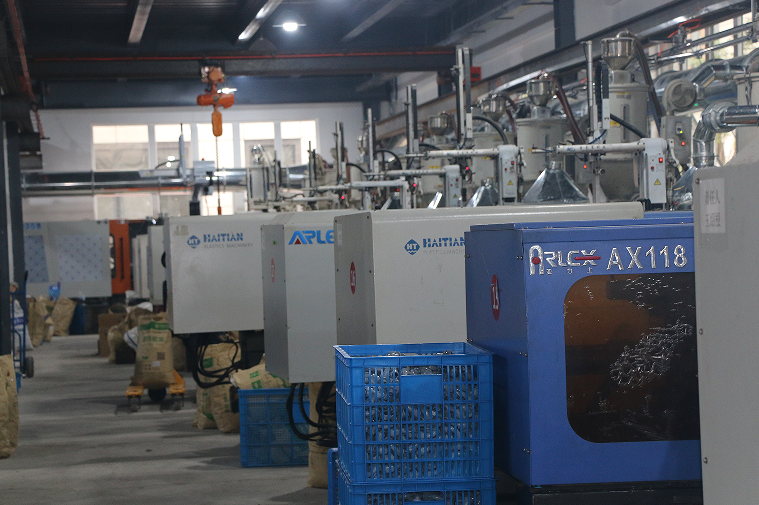
Cost Optimization Through Direct Sourcing from an Appliance Parts Factory
Unit Price Reductions vs. Total Cost of Ownership Analysis
Buying directly from manufacturers typically cuts unit prices by around 15 to 25 percent right off the bat when compared to going through middlemen. But wait there's more! The real money saving potential only becomes clear after looking at Total Cost of Ownership or TCO for short. This approach actually accounts for all those extra expenses nobody talks about like dealing with import papers, paying customs brokers, and coordinating incoming shipments. What companies find is that these hidden costs can eat away at what looks like good deals on paper. Big name appliance part makers have started putting TCO calculators right into their online ordering systems so suppliers can play around with different scenarios. Most find that getting products straight from the factory beats using multiple layers in the supply chain every time. And when we factor in better cash flow management thanks to smaller stockpiles sitting around, many businesses see their return on investment within just under two years after switching critical parts to direct buying arrangements.
Eliminating Distribution Margins: Quantifying Margin Compression
Traditional distribution channels typically tack on extra costs ranging from 20 to 30 percent for most appliance components. These added expenses break down into several categories: around 5 to 8 percent for warehouse operations, another 3 to 7 percent in brand licensing fees, plus 4 to 9 percent covering inventory risks. When companies go straight to the source at appliance part manufacturers, all these built-in markups disappear, turning what would have been distributor profits into actual savings for the buyer. The biggest price drops happen with common parts like thermostats and motor brushes since buying large quantities cuts costs right away by about 22 to 26 percent. For more specialized items too, detailed comparisons show buyers can still save between 18 and 32 percent when they establish direct relationships with factory sources rather than going through middlemen.
MOQ Flexibility and Tiered Pricing Structures for Bulk Buyers
Appliance parts factories offer configurable volume agreements designed around procurement economics:
| Volume Threshold | Price Advantage | Operational Flexibility |
|---|---|---|
| 100-500 units | 10-15% discount | Quarterly delivery windows |
| 501-2,000 units | 18-22% discount | Consignment options |
| 2,000+ units | 25-30% discount | Dedicated production scheduling |
This tiered structure transforms MOQ constraints into strategic levers. Bulk buyers combine critical SKUs such as compressors, door seals, and control boards to reach higher discount tiers without overcommitting to single-component volumes. Blanket purchase orders further enhance flexibility, securing peak-season allocation at off-peak pricing.
Supply Chain Resilience and Responsiveness via Appliance Parts Factory Partnerships
Lead Time Compression and Forecast-Driven Production Alignment
When appliance parts manufacturers form close partnerships with suppliers, they can cut down on waiting periods by anywhere from 40 to 60 percent compared to old school distribution methods. Getting rid of those extra layers between manufacturer and distributor means everyone has better insight into when things will actually get made. The factories themselves start stocking up on materials based on what customers tend to buy most often. This approach helps shorten wait times at the factory floor by around 26 percent according to Supply Chain Quarterly from last year, plus companies end up holding onto 15 percent less spare inventory sitting around doing nothing. For businesses dealing with emergency repairs where time really matters, this kind of forecasting makes all the difference in keeping operations running smoothly even when unexpected demands pop up.
Reduced Stockouts Through Shared Demand Signals and ERP Integration
Collaborative inventory management works by syncing demand signals across enterprise resource planning systems and factory manufacturing execution systems. When suppliers get secure real time access to sales data from stores and current warehouse stock levels through standard EDI formats, it helps match what gets produced with what people actually buy instead of relying on old forecast numbers. According to research published in the Journal of Operations Management back in 2022, companies implementing these kinds of integration solutions see about 28 percent fewer instances where products run out completely, plus they need to keep around 19 percent less extra inventory just in case. And during those unexpected demand surges like when everyone suddenly wants compressors at once, factories have been able to shift production priorities on different assembly lines within roughly three days to fill orders before customers start getting frustrated waiting for delivery.
Strategic Procurement Models Enabled by Direct Access to an Appliance Parts Factory
Consignment Inventory and VMI Agreements for Working Capital Efficiency
When companies go direct with their suppliers, they gain access to things like Vendor Managed Inventory (VMI) and consignment arrangements. With these setups, the parts manufacturer actually keeps ownership of the components right up until they get used in production. What does this mean? Well, it cuts down on those costly inventory holding expenses somewhere around 30 to maybe even 45 percent. The stock stays much closer to what's actually being used day to day, which means money that would have been tied up in warehouses can now flow into expansion projects. And despite all this efficiency, most manufacturers still manage to keep about 99% of parts available when needed. Companies that set clear expectations through written contracts tend to see better results too. For instance, setting targets like keeping delivery times within plus or minus 5% and limiting defects below 2% helps reduce supply chain problems by roughly 40% according to research from Aberdeen Group back in 2023.
Volume-Based Infrastructure Scaling: Warehousing, Receiving, and QA Protocols
When factories need to adjust their support systems based on what big customers are expecting to buy, they do so pretty smartly these days. Think about things like special areas in warehouses just for receiving large orders, quality checks that actually test how parts might fail under real conditions, especially for those really important components. There's also this thing called cross docking where goods go straight from incoming trucks to outgoing ones without ever hitting storage. Getting all this right cuts down on handling expenses somewhere around 22%, which isn't bad at all. And it speeds up getting products out the door by roughly three to five days. The result? Logistics teams can grow along with what companies actually need to purchase rather than being stuck paying for empty space and unused capacity.
Risk-Informed Sourcing: Prioritizing Critical vs. Commodity Appliance Parts
Criticality Mapping: When Direct Sourcing Enhances Resilience (e.g., Compressors, PCBs)
Before working with any appliance parts manufacturer, it makes sense to do some sort of criticality mapping first. Certain components are just more important than others when it comes to keeping things running smoothly. Take compressors and PCB boards for instance. These mission-critical parts create way more problems if they fail compared to regular parts. According to research published in IEEE Transactions on Reliability back in 2021, when these key components break down, downtime lasts about 73% longer than with standard parts. Getting these crucial items directly from suppliers cuts down on waiting time for replacements by somewhere between 40 to 65 percent. Plus, companies can implement their own quality checks rather than relying solely on third parties. This approach also helps build better defenses against unexpected supply chain issues, which matters a lot when component failures actually stop production lines or disrupt customer service completely.
Commodity Parts Trade-Off: Standardization Benefits vs. Negotiation Leverage Erosion
Common items like screws, knobs, and basic housing components can really cut down on inventory costs when sourced directly from manufacturers. Companies often see around 18 to 24 percent less inventory sitting around when they go this route. But there's a catch. When businesses depend solely on one factory for these standard parts, they lose their ability to negotiate prices effectively across multiple suppliers. Industry research indicates that companies relying exclusively on single sources tend to have about 14 percent less bargaining power each year according to McKinsey & Company's findings from last year. Smart companies find a middle ground though. They buy large quantities of standard parts for better logistics while still keeping relationships with other suppliers in the background. This approach keeps market competition alive and allows them to check if prices are still fair over time.
Table of Contents
- Cost Optimization Through Direct Sourcing from an Appliance Parts Factory
- Supply Chain Resilience and Responsiveness via Appliance Parts Factory Partnerships
- Strategic Procurement Models Enabled by Direct Access to an Appliance Parts Factory
- Risk-Informed Sourcing: Prioritizing Critical vs. Commodity Appliance Parts