 EN
EN

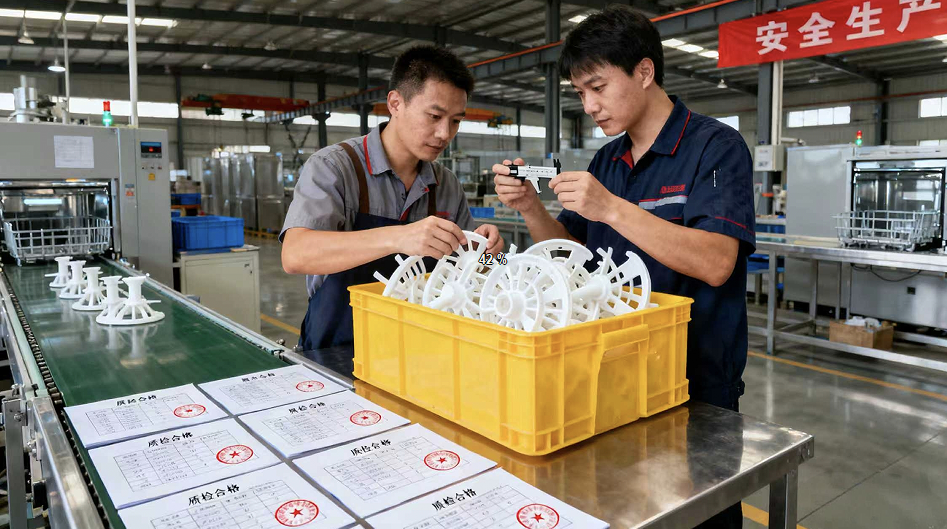
Achieving Maximum Cost Efficiency with Bulk Appliance Parts Purchasing
Understanding the cost efficiency of buying appliance parts in bulk
Buying appliance parts in bulk cuts down what each part costs, somewhere around 15 to maybe even 30 percent based on some recent industry reports from last year. Plus it saves money on those constant shipping charges that eat into profits over time. Most repair shops find that when they order at least half a dozen or so of popular items such as thermal fuses or drain pumps, they start seeing returns pretty quickly after about six months because their technicians spend less time waiting for parts and can fix appliances faster. Working closely with suppliers also opens doors to special deals where prices drop significantly once certain purchase thresholds are met something most small operations never get access to when buying just one item at a time.
Leveraging bulk discounts and long term savings on appliance parts
When businesses buy larger quantities regularly, they often get discounts ranging from about 5% all the way up to nearly 18%, depending on how much they purchase each time. According to research published last year, repair shops that kept enough parts on hand for three months instead of scrambling for last minute supplies ended up saving around seven thousand dollars every year for each technician working there. Buying generic parts that work across different models, like those standard refrigerator water filters everyone needs, actually cuts costs even further. Shops that switched from buying only branded components saw their expenses drop by roughly a quarter when they started consolidating these kinds of purchases together.
Evaluating total cost of ownership (TCO) in bulk procurement decisions
Effective TCO analysis accounts for four critical factors:
| TCO Component | Average Cost Impact | Mitigation Strategy |
|---|---|---|
| Storage | 8–12% of part value | Just-in-time delivery contracts |
| Obsolescence | 15% annual risk | Demand forecasting tools |
| Cross-compatibility | $220/incident | Manufacturer compatibility guides |
| Quality failures | 9% defect rate | Supplier quality audits |
Companies reducing these TCO factors below 10% of procurement costs see 19% faster ROI on bulk investments.
Case study: How a regional repair chain reduced annual part costs by 38%
A Midwest appliance service provider with 32 technicians cut its $740k annual parts budget by implementing three bulk strategies:
- Negotiated 45-day payment terms with primary suppliers
- Standardized 87% of frequently replaced components to universal alternatives
- Implemented real-time inventory tracking across 11 warehouses
This approach eliminated 73% of expedited shipping costs while maintaining 98.6% same-day repair completion rates—a benchmark verified through automated procurement systems adapted from retail supply chain models.
Top High Turnover Appliance Parts Ideal for Bulk Ordering
According to recent industry data from the Appliance Repair Trends Report 2024, about two thirds of all repair calls end up needing replacement of common parts like heating elements, door gaskets, water inlet valves, and control boards. When looking at appliances specifically, fridge problems, oven issues, and washing machine breakdowns often center around these same components which make up nearly 8 out of 10 emergency service calls. That's why many repair shops keep these items in stock instead of waiting for individual orders. Techs who carry these parts on hand can finish same day repairs much faster than those who have to wait for shipments. Some shops claim their turnaround time improves by almost half when they don't need to order parts after arriving at a customer's home.
Time and Labor Savings From Maintaining Critical Replacement Parts in Stock
Keeping high-demand components like thermal fuses, igniters, and drain pumps on hand eliminates 1–3 day shipping waits per repair. A study of 120 service teams found pre-stocked parts reduced average job duration by 2.1 hours, translating to $142 in saved labor costs daily per technician.
Managing Inventory Risks: Shelf Life, Obsolescence, and Model Compatibility
- Shelf life: Seals and gaskets degrade after 18–24 months (ASTM D2000 standards)
- Obsolescence: 22% of dishwasher pumps and 31% of microwave touchpads become incompatible within three years
- Compatibility: Verify 85%+ model coverage for universal parts like belts and motors
Quarterly audits and supplier partnerships that include obsolete-part buybacks mitigate 89% of excess inventory risks (Logistics Management Benchmark 2023).
OEM vs Aftermarket Appliance Parts: Balancing Cost, Quality, and Compatibility
Cost Comparison of OEM and Aftermarket Appliance Parts in Real-World Use
OEM (Original Equipment Manufacturer) parts typically cost 25–60% more upfront than aftermarket alternatives. However, this gap narrows when factoring in lifecycle costs. Aftermarket components fail 2.7x faster on average in high-use scenarios. For example, aftermarket dishwasher pumps last 18 months versus 42 months for OEM equivalents in commercial settings.
Ensuring Cross Brand Compatibility When Sourcing Generic Appliance Parts
Around 24 percent of all repair holdups come down to those pesky incompatible parts from after market sources, based on what we're seeing in service reports from 2023. Generic stuff usually promises a universal fit but rarely delivers. Small differences matter a lot - think different connector types, voltage specs that don't quite match up, or just slightly off dimensions. These problems lead to unpredictable performance in about 17% of installation attempts. Worse still, manufacturers end up voiding warranties for roughly 31% of customers who try these cheaper alternatives. When shopping around, it's worth looking for vendors who actually provide thorough compatibility charts for specific models. Even better are companies that back their products with real engineering assurances through CAD designs that ensure backward compatibility across generations of equipment.
Quality Control and Defect Rates in Bulk Aftermarket vs OEM Orders
Manufacturing defect rates differ significantly between OEM and aftermarket suppliers:
| Metric | OEM Parts | Aftermarket |
|---|---|---|
| Factory defect rate | 0.8% | 12% |
| Field failure rate | 1.2% | 18% |
| ISO 9001 certification | 100% | 58% |
OEM facilities implement 23 quality checkpoints versus nine in typical aftermarket factories.
The Hidden Cost Trap: When Cheap Aftermarket Parts Increase Repair Recurrence
Systems using non-OEM components require 53% more service calls over five years (2024 Appliance Reliability Report). A single improperly calibrated aftermarket refrigerator compressor can increase energy consumption by 19%, trigger cascading failures, and reduce equipment lifespan by 3–5 years. These hidden costs erase initial savings within 12–18 months in 78% of cases.
Optimizing Inventory and Ordering Processes for Consistent Part Availability
Smart Inventory Management Strategies for High-Demand Appliance Parts
Barcoding systems reduce incorrect part retrieval by 63% compared to manual tracking. High-velocity parts like refrigerator door seals or dishwasher pumps should occupy 40–60% of warehouse space based on regional repair frequency patterns. Regular cycle counts—weekly for top 20% SKUs, monthly for others—maintain 99%+ inventory accuracy.
Streamlining Parts Ordering and Fulfillment to Reduce Operational Delays
Automated purchase order generation for high-turnover parts cuts processing time from 2.1 hours to 15 minutes per order. Field technicians using mobile apps with real-time inventory visibility resolve 83% of repair calls without secondary visits.
Using Data Analytics to Forecast Appliance Part Demand and Avoid Overstocking
Predictive models analyzing 12-month service histories reduce obsolete inventory by 31%. A Midwest appliance chain slashed overstock costs by $218,000 annually after implementing demand forecasting for washing machine belts and oven igniters.
Securing On Time Delivery and Quality Through Strategic Supplier Partnerships
Key supplier reliability metrics: On-time delivery and quality consistency
Suppliers delivering parts within 48 hours of promised dates achieve 73% fewer service callbacks than slower providers. Leading repair networks prioritize three metrics:
- 98% on-time delivery rate (OTD) for critical components
- 1.2% defect rate across bulk orders
- 72-hour resolution time for shipping errors
These benchmarks align with findings from a 2023 Supply Chain Optimization Report showing repair businesses using standardized supplier scorecards reduced inventory shortages by 41%.
Reducing service downtime with dependable appliance parts delivery
Proactive distributors now embed GPS tracking in bulk shipments—a practice cutting average delivery disputes by 63% since 2022. Case studies show repair companies maintaining:
- <8-hour restock cycles for high-failure components like dryer heating elements
- 24/7 escalation protocols for delayed HVAC compressor orders
- Automated alternate routing during port congestion events
A regional service group using these strategies reported 22% higher first-time fix rates by eliminating "waiting on parts" scenarios.
Setting measurable quality benchmarks for bulk appliance parts suppliers
Top procurement teams validate part quality through:
- Pre-shipment sample testing (3% of each batch)
- 12-month defect tracking with supplier penalties for rates exceeding 0.8%
- Third-party certifications like ISO 9001:2015 for consistency
Data shows suppliers meeting all three criteria maintain 91% contract renewal rates versus 54% for basic compliance.
Navigating the trade off between low cost suppliers and delivery performance
While aftermarket suppliers offer 15–30% upfront savings, a 2023 analysis revealed hidden costs:
| Factor | OEM Supplier | Budget Supplier |
|---|---|---|
| Average Defect Rate | 0.4% | 2.1% |
| Delivery Consistency | 98.7% | 82.3% |
| Technical Support | 24/7 | Business Hours |
Businesses focusing solely on price paid 19% more in rush shipping and warranty labor over 12 months. The optimal balance allocates 70% of orders to premium suppliers for critical components while using value providers for non-urgent consumables.
Table of Contents
- Achieving Maximum Cost Efficiency with Bulk Appliance Parts Purchasing
- Top High Turnover Appliance Parts Ideal for Bulk Ordering
- OEM vs Aftermarket Appliance Parts: Balancing Cost, Quality, and Compatibility
- Optimizing Inventory and Ordering Processes for Consistent Part Availability
- Securing On Time Delivery and Quality Through Strategic Supplier Partnerships