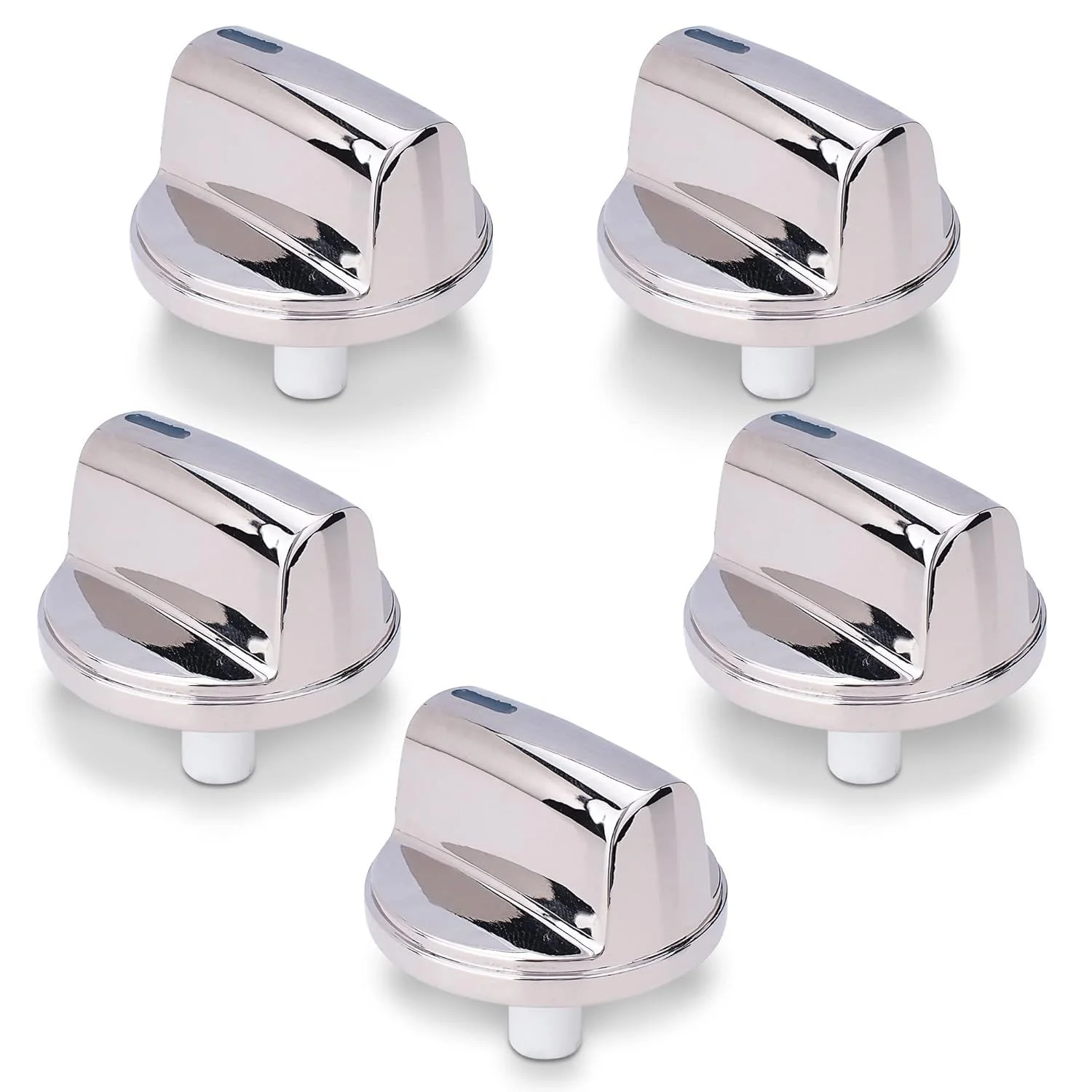
A "cold control for refrigerator" is a specialized thermostat component focused on regulating the "cold cycle"—managing when the compressor activates to cool the fridge and when it shuts off to prevent overcooling. Unlike general-purpose thermostats, it acts as a direct interface between the temperature sensor and the compressor, with built-in safety mechanisms to protect the fridge’s cooling system. Core technical attributes include a snap-action switch (for rapid compressor engagement/disengagement) and a temperature differential adjustment (allowing technicians to set the gap between "on" and "off" temperatures—typically 1°C to 2°C for residential fridges, 0.5°C for commercial units). For residential use, basic cold controls are mechanical (bimetallic strip-based) with simple dial adjustments (labeled "Cold" to "Coldest"), costing \(20-\)40 and compatible with entry-level fridges (e.g., Whirlpool, Frigidaire). Commercial cold controls, by contrast, are electronic with digital displays, offering precision of ±0.3°C and integration with defrost cycles (preventing frost buildup that disrupts cooling). These cost \(60-\)120 and meet standards like NSF/ANSI 7 (North America) or EN 60335-2-24 (Europe). Key safety features include overload protection (shutting off the compressor if current exceeds safe levels) and a manual reset button (for fault recovery). Installation varies by design: plug-in cold controls (common in residential fridges) enable easy DIY replacement, while hardwired commercial versions require technician setup. Global compatibility is ensured via voltage options (110V/220V) and temperature unit switching (°C/°F), with multilingual installation guides (English, Spanish, French, Mandarin) to support users across regions.
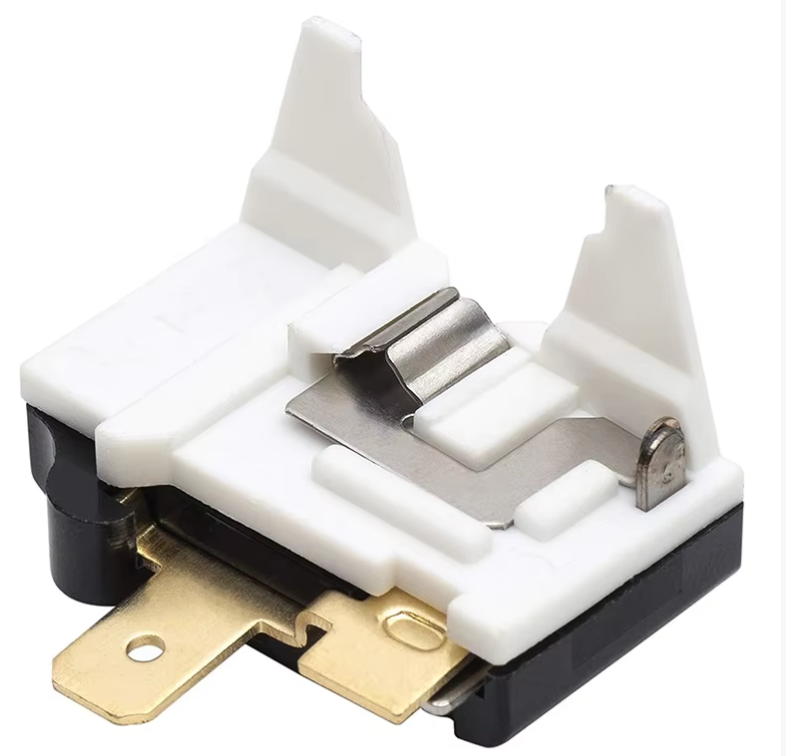
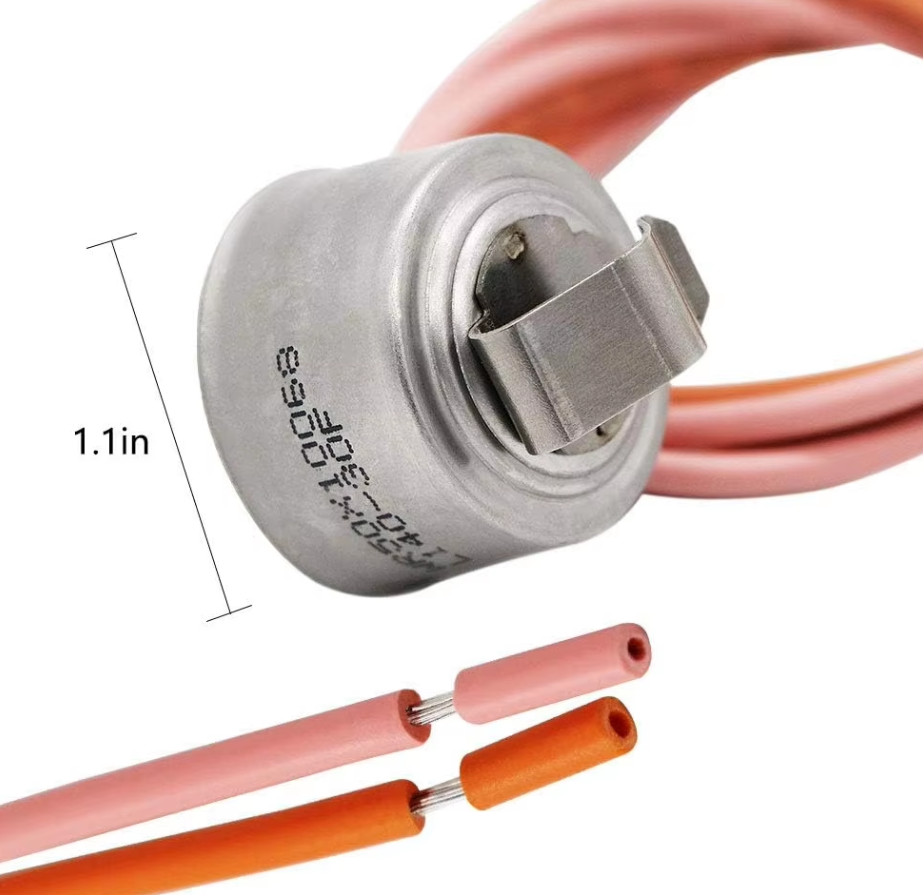
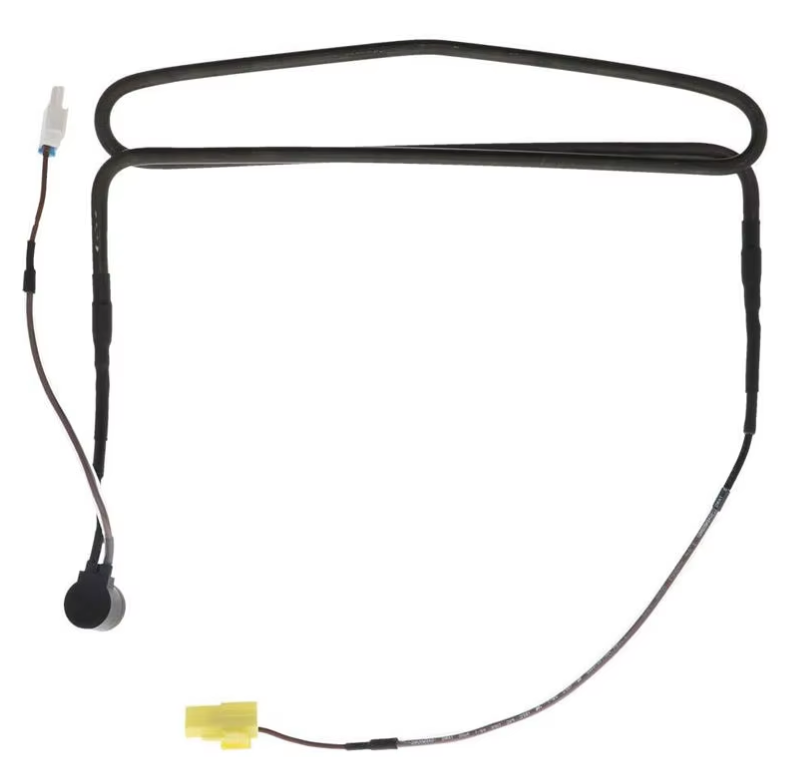

Jointgo is a leading home appliance parts factory with over 20 years of production experience. We specialize in manufacturing dryer parts, washing machine parts, kitchen appliance parts, etc. Factory direct sale, wholesale price, fast shipment. Our products are compatible with major brands like Whirlpool, LG, and Samsung. Customization services are available. Trust us for all your home appliance parts needs.
Copyright © 2025 by Ningbo Jointgo Electronics Co., Ltd. Privacy Policy
 EN
EN