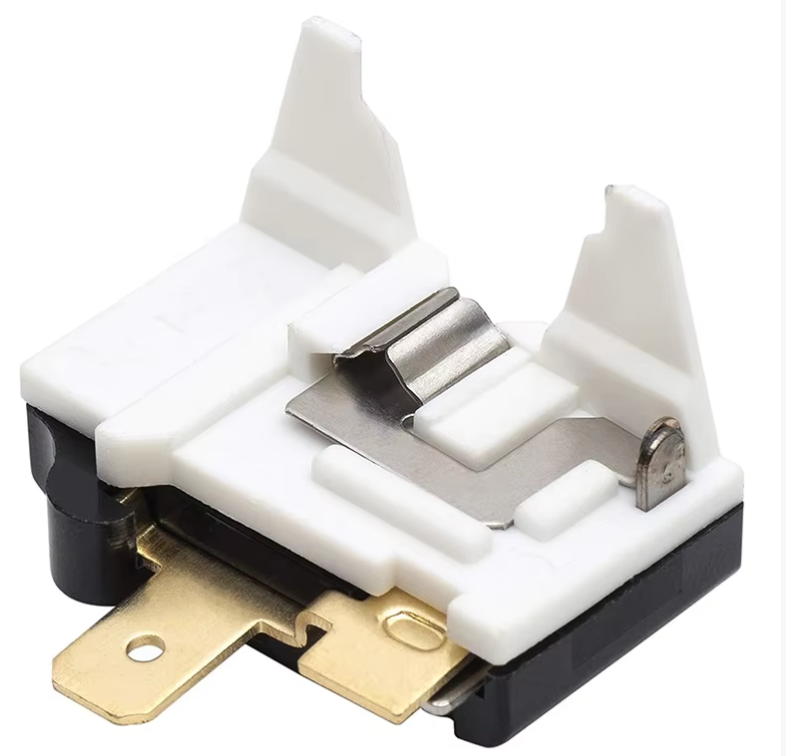
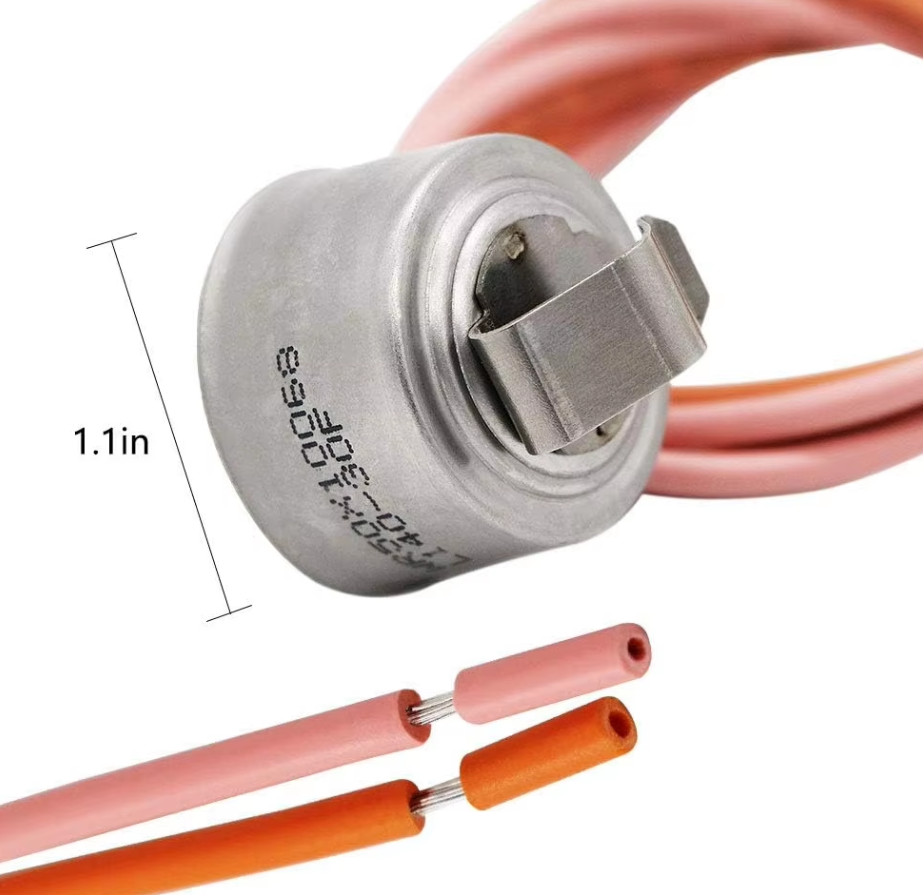
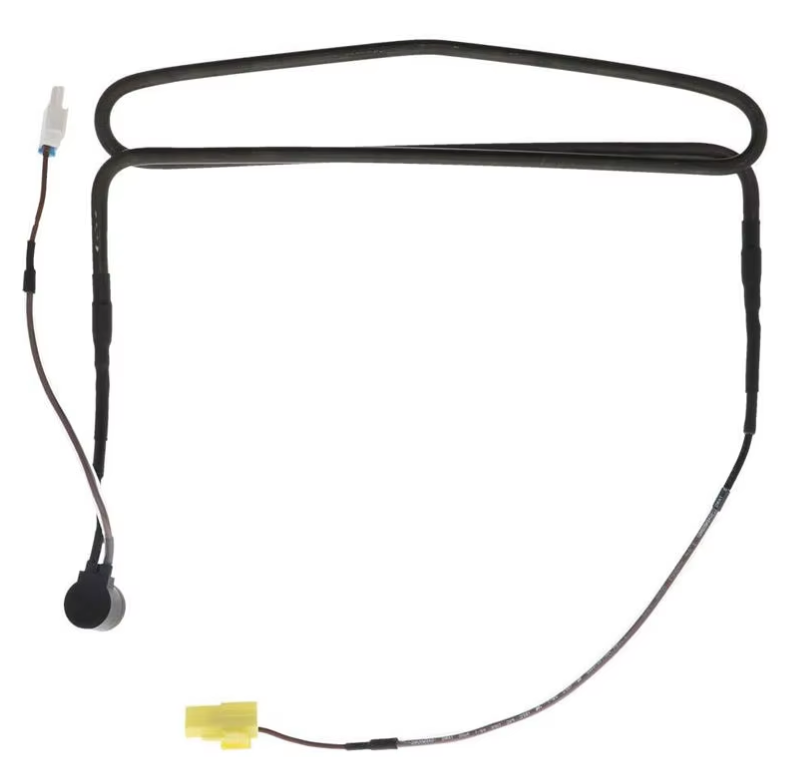
A thermostat for deep freezers is a specialized control component designed to maintain ultra-low, stable temperatures (typically -18°C to -25°C) critical for preserving frozen foods, medical supplies, or laboratory samples. Unlike standard fridge thermostats, it must operate reliably in extreme cold, resisting frost buildup that could disrupt temperature sensing. Core components often include a negative temperature coefficient (NTC) thermistor or optimized bimetallic strip, enabling detection of tiny temperature fluctuations (as small as ±0.5°C) to trigger compressor cycles accurately. Durability is vital: commercial deep freezers in grocery stores or industrial settings demand thermostats with robust casings to withstand constant use and ambient temperature shifts, while residential units in garages or basements need resistance to humidity and temperature swings. Global compliance is key for cross-market use: North American models adhere to UL 60335-2-24 for electrical safety, European versions meet IEC 60335-2-24, and Asian markets may require CB certification. Energy efficiency is another focus, with modern designs integrating adaptive algorithms—adjusting compressor runtime based on door opening frequency, for example—to reduce energy use without compromising cooling. Installation varies by model: some are built-in for OEM units, while aftermarket options feature plug-and-play designs for easy replacement, with clear wiring guides to suit different deep freezer makes (e.g., Whirlpool, Haier, Bosch) across regions.

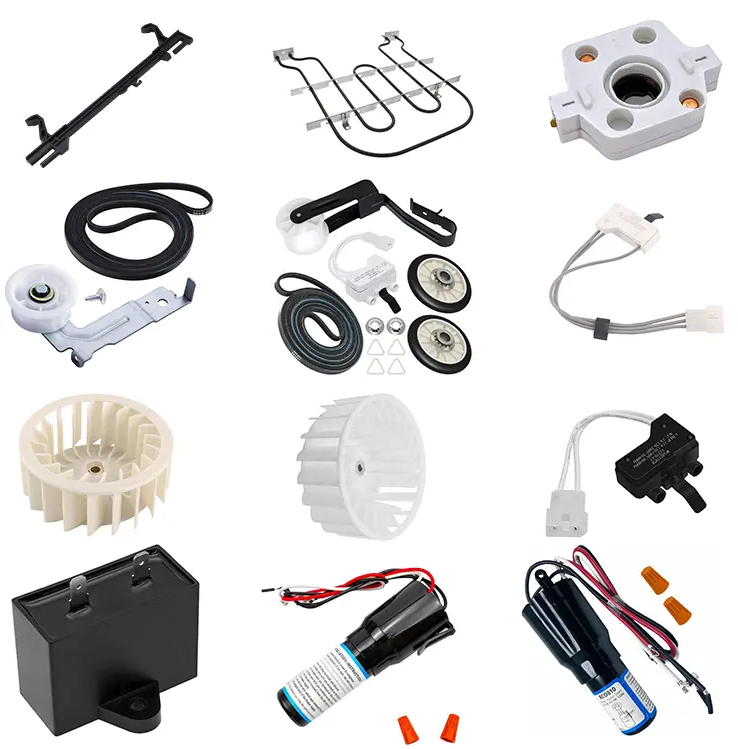
Jointgo is a leading home appliance parts factory with over 20 years of production experience. We specialize in manufacturing dryer parts, washing machine parts, kitchen appliance parts, etc. Factory direct sale, wholesale price, fast shipment. Our products are compatible with major brands like Whirlpool, LG, and Samsung. Customization services are available. Trust us for all your home appliance parts needs.
Copyright © 2025 by Ningbo Jointgo Electronics Co., Ltd. Privacy Policy
 EN
EN