 EN
EN

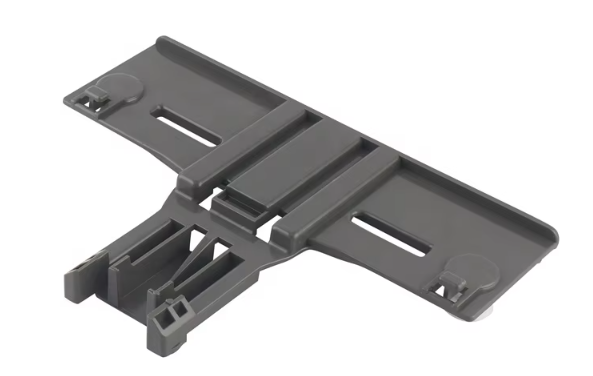
Top In-Demand Samsung Parts by Appliance Category
Refrigerator Samsung Parts: Door Seals, Ice Makers, and Water Valves
When fridge problems pop up, technicians typically deal with three main issues door seals, ice makers, and water valves. These components just naturally wear out because they face constant temperature changes, get used all day long, and collect minerals over time. The rubber gaskets around doors tend to crack and lose their grip after years of opening and closing, which lets cold air escape and makes the fridge work harder than it should. Most repair calls for ice makers come down to stuck parts or faulty sensors according to industry data, though nobody really likes dealing with those tricky mechanisms. Water valves are another headache, especially where tap water is hard, since calcium deposits build up inside them until they stop working properly. Parts like these need replacing pretty regularly too, with some studies showing replacement needs hit around 25% per year in places with lots of moisture in the air.
Washing Machine Samsung Parts: Control Boards and Drum Bearings
The control board tends to be the part that gets replaced most often in Samsung washers, making up about 42% of repair calls according to industry stats from 2023. Water getting into the electronics plus corrupted firmware usually causes those annoying UE error messages on the display screen. Power surges during storms or when clothes aren't distributed evenly in the drum can trigger these issues. As for drum bearings, they slowly break down over time when the machine spins unevenly. Most owners start hearing that awful grinding noise around year five or six of regular use, which is pretty much when replacement becomes necessary.
Oven and Dishwasher Samsung Parts: Touchpad Assemblies and Heating Elements
Most touchpad failures happen when liquids get into them or there's an electrical surge, which ends up messing with oven controls about 38 times out of 100 according to repair reports. The heating elements inside our appliances tend to crack or rust over time because they're constantly dealing with temperature changes and minerals from tap water. For ovens, this means they just don't heat as efficiently anymore, sometimes losing up to two thirds of their effectiveness especially during those high heat self-clean modes. Dishwasher heating elements suffer similar fates, leading to dishes coming out damp instead of dry. Because these problems are so common, repair technicians regularly stock replacement touchpads and heating components for Samsung appliances in both kitchen and laundry rooms.
Root Causes Driving High Demand for These Samsung Parts
Thermal Cycling and Material Fatigue in Inverter Compressor Components
The inverter compressors from Samsung run non-stop throughout their lifespan, putting internal metal parts like piston rods and valve plates through around 8,500 thermal stress cycles each year. All this constant heating and cooling leads to tiny cracks forming in these components over time. These micro fractures build up into material fatigue problems, and studies show about two thirds of all compressor failures can actually be linked back to this exact issue after three to five years on average. When these small cracks develop into bigger issues, they typically result in refrigerant leaks and pressure problems inside the system. Most technicians find themselves replacing entire compressor units instead of just fixing specific parts when something goes wrong. That's why compressor assemblies end up being responsible for roughly forty percent of all service calls made for refrigerators across the country.
Firmware-Dependent Failures in Smart Control Boards (2021–2024 Models)
When it comes to control board failures in Samsung's smart appliances, most problems actually come from unstable firmware rather than faulty hardware components. The main issue arises when there are compatibility problems between original equipment manufacturer software updates and older hardware designs. These mismatches often lead to all sorts of troubles with touchscreen displays and various sensor functions throughout the appliance. Looking at diagnostic reports from models made between 2021 and 2023, around seven out of ten cases where control panels stopped responding properly were traced back to firmware conflicts. We see this showing up in real life as ovens that fluctuate wildly in temperature or washing machines that spin unpredictably fast or slow. Since damaged firmware can't really be fixed on site through reflashing procedures, technicians usually have no choice but to replace entire boards. This situation naturally increases the need for genuine Samsung replacement parts every time a new product line comes out, creating both challenges and opportunities for repair shops across the industry.
Strategic Sourcing Insights for Repair Businesses
Smart procurement turns parts sourcing from something that just eats money into a real competitive edge. When looking at what parts break most often, repair shops need to focus on items like fridge compressors, washing machine circuit boards, and those pesky dishwasher heating elements. And this should be based on actual repair shop data, not just stories passed around between technicians. According to some research from last year in the service sector, businesses that source parts based on real demand saw about 37 fewer stockouts and kept their buying expenses pretty stable. Good relationships with suppliers matter too. Shops that work closely with vendors through things like shared sales forecasts and performance reports tracking how reliable deliveries are and how many defective parts arrive (with a limit of 2% bad parts for important appliance components) tend to keep operations running smoothly. Planning inventory needs to account for seasons as well. Take door seals for instance they typically see a 28 jump in demand during summer months. Getting ahead of these patterns with solid data helps shops complete repairs quicker, fix problems right the first time more often, and ultimately keep customers coming back.