 EN
EN

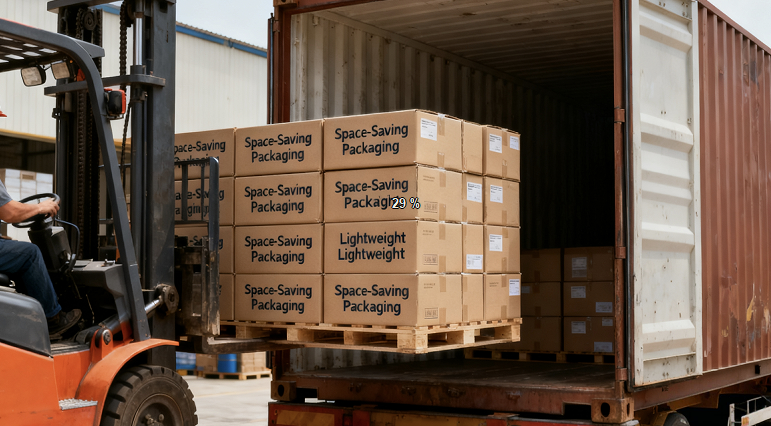
What Makes an Appliance Part 'Shipping-Friendly'?
Defining shipping-friendly: geometry, weight density, and material stability as core criteria
Parts designed for shipping cut down on all sorts of logistical headaches because they have three main characteristics working together. The shape matters a lot too. Parts that are small and can be stacked work best in boxes and on pallets. Take control boards versus big compressors for example. Control boards take up way less space when packed. Then there's the weight factor. Heavy but compact parts like motors don't get hit with those extra charges based on size alone. Light things that take up lots of room end up costing much more to ship. Lastly, materials need to hold up during transport. Strong plastics and metals that won't rust or bend are better choices than glass or ceramic parts that might crack. When manufacturers design parts with these considerations in mind, they typically save between 15% and 30% on packaging space. This makes handling easier across the board and helps keep pallets organized consistently throughout the supply chain.
Real-world impact: how non-shipping-friendly parts inflate freight spend and damage rates
When companies overlook shipping friendly designs, costs tend to go through the roof pretty quickly. Take those weird shaped items like coiled tubing for instance they leave so much empty space on pallets, sometimes around 40% according to what I've seen in the field. This wasted space means less stuff fits in trailers and naturally drives up freight bills. Fragile stuff poses another problem altogether. Ceramic heating elements are especially prone to breaking during transport. The Ponemon Institute did some research showing roughly one out of every four non optimized parts gets damaged somehow. For mid sized distributors this adds up fast, with replacement costs plus all those insurance claims and extra labor adding hundreds of thousands each year. Then there's the issue with oversized boxes for things that don't actually take up much room, like insulation foam. Major carriers charge anywhere from 20% to 25% extra for these dimensional weight charges. And here's something else worth noting a single item that doesn't fit properly can throw off an entire pallet setup, creating ripple effects throughout large shipments that nobody wants to deal with.
Optimizing Dimensional Weight and Packout Efficiency
Avoiding DIM weight surcharges: benchmarks for compressors, control boards, and gaskets
Most shipping companies figure out what they charge based on something called dimensional weight. They take the space a package takes up (measured in cubic inches) and divide it by a number around 139 to 166. Then they go with whichever is bigger between that calculation or the actual weight of the item. When compressors are packed into boxes bigger than 18x18x24 inches, shippers often end up paying way more money because of these dimensional charges. Sometimes those fees can be 30% to even 50% higher than just paying for the real weight alone. Small control boards weighing less than five pounds turn into expensive headaches if they're put in boxes larger than 12x10x4 inches. For gaskets though, things work better when they're sealed flat in special mailers rather than bulky boxes. Companies that ship massive volumes - think 50 thousand packages per year - save themselves about 12 to 18 percent on freight costs when they match their packaging to what carriers expect. Smart businesses pack compressors tightly in high density plastic shells (using at least 98% of available space), store control boards in vacuum sealed trays made from thermoformed materials, and send gaskets through die cut recyclable sleeves instead of standard boxes.
Standardized modular packaging that cuts void-fill and improves pallet utilization
The company has developed a packaging system based around six standard containers ranging from small 8 inch cubes ideal for solenoids and valves right up to large 36 by 24 inch pallet bases for bigger components like motors. This approach creates better alignment throughout the entire supply chain network. The containers fit together so well that they reach between 92 and 97 percent pallet fill rate compared to what most companies manage at around 80%. This means significantly less wasted space between items and about half as much packing material needed. Special cutouts at corners and pre-folded edges make putting these boxes together faster than traditional methods. When returned empty, they nest inside each other which saves roughly two thirds of warehouse floor space normally taken up by empty containers. All this adds up to being able to fit 30 percent more products on a single truckload, which makes a big difference when looking at all the different stages from receiving goods to storing them and finally shipping out orders.
Smart Packaging Selection for Protection + Cost Control
When companies pick their packaging solutions, they're really walking a tightrope between keeping products safe and controlling shipping costs. Going with materials like recycled cardboard or molded pulp isn't just good for the environment either these options can cut down on material spending anywhere from 15% to 30% while still getting the job done during transport. Packing things just right matters too because empty space inside boxes leads to those DIM weight charges carriers love to slap on packages that are too big for their actual weight. We've seen some shippers pay as much as $20 extra per box when this happens. Large volume operations benefit even more from standardizing their packaging design. These consistent shapes mean less filler material needed and better use of warehouse space overall, improving pallet efficiency somewhere around 10% to 15%. The bottom line? Smart packaging decisions stop being just another line item on the budget sheet. Every buck spent wisely on proper protection usually pays back about $2.40 through reduced damage claims, fewer last minute freight fixes, and cutting down on all those costly returns that nobody wants to deal with.
Leveraging Volume to Negotiate Better Carrier Terms
Unlocking zone bypass, accessorials waivers, and flat-rate programs with 50k+ annual parcels
When companies ship over 50 thousand packages each year, they become something more than just regular customers to big shipping companies. They turn into actual partners worth working with long term. The sheer number of packages allows these businesses to skip certain zones in the delivery network, which means packages get there faster usually between one to three days quicker and saves money on each package around 12 to 18 percent according to research from Ponemon in 2023. Businesses that send out lots of stuff can often get their charges reduced for things like extra fees for delivering to homes or oversized packages. These little charges normally tack on another 18 to 27 percent to what companies would otherwise pay. Fixed price shipping plans help keep costs steady throughout the year, which matters a lot during busy seasons when prices jump because of fuel costs and sudden spikes in demand. Carriers tend to offer better deals to companies that commit to sending consistent volumes of packages, deals that regular small businesses never see in their pricing options.
Matching carrier service tiers to regional repair hub requirements and last-mile economics
Aligning carrier service levels with regional network realities prevents overpayment for unnecessary speed or coverage.
| Service Tier | Cost Premium | Ideal Use Case | Regional Fit |
|---|---|---|---|
| Ground | Baseline | Non-urgent inventory replenishment | Multi-state distribution |
| Expedited | +28€“42% | Critical part replacements | Urban service hubs |
| Same-Day | +65€“90% | Emergency downtime resolution | Metro areas <50mi radius |
In rural zones, partnering with regional LTL consolidators€”aggregating shipments bound for low-density areas€”avoids premium last-mile fees that often exceed base transportation costs. Tiered volume commitments create mutually beneficial structures where discounts deepen as shipment density increases along key corridors, turning geographic constraints into negotiation leverage.
Consolidation Strategies That Eliminate Hidden Fulfillment Costs
LTLS cross-dock staging and shared-pallet consolidation to reduce freight spend by 12€“18%
Cross dock staging for LTLS basically cuts down on how long things sit around in warehouses because parts get moved straight from incoming trucks to outgoing ones without going through all that put away, picking, and repackaging stuff. Pair this method with shared pallet consolidation where we group together orders heading to nearby areas or similar delivery routes, and suddenly there are about 40 percent fewer points where someone has to handle the goods. Trailer space gets used better too. For big volume purchasers, this approach typically saves between 12 and 18 percent on shipping costs since they send out less often, pay less per item for dimensional weight fees, and experience far fewer damaged items during transit. Logistics research shows these methods boost pallet efficiency by roughly 25%, especially when dealing with parts that are easy to ship because they come in standard sizes and stack nicely without tipping over.
Demand forecasting and buffer inventory to avoid peak surcharges and fuel volatility
By looking at past repair records, knowing when certain appliances tend to fail seasonally, and understanding how old equipment is in different regions, companies can predict what parts they'll need about six to eight weeks out. This kind of planning lets them stock up before holidays and summer rush periods when prices jump by around 25 to 40 percent. Keeping some extra stock in regional warehouses helps cut down on shipping costs that go up 5 to 15 percent when fuel prices swing wildly. These warehouses act as safety nets so companies don't have to pay premium rates for urgent overnight deliveries all the time. The procurement departments that implement these strategies generally see about a 15 percent drop in those expensive air freight requests even when gas prices are all over the map.
Key implementation benefits:
- Forecast-driven replenishment cuts LTL accessorial fees by 30%
- Buffer inventories neutralize 85% of fuel surcharge impacts
- Cross-docked shipments reduce carbon emissions per pallet by 22%