Home > News > Company News
The latest machine learning tech is making a real difference in predicting when parts need replacing, giving companies around 40% better accuracy than old school manual tracking. Take HVAC compressors for instance these things break down about three times more frequently along coastlines according to what we've seen recently. Smart distributors are using this kind of information to stock up on parts where they're actually needed instead of guessing. Many top systems out there mix regular sales data from stores with other stuff happening outside their walls like new home construction numbers and weather reports. This helps them spot those sudden surges in demand for things like fridge thermostats during heatwaves or extra dishwasher pumps after storms hit certain areas.
Cloud tracking systems keep stock levels in sync between warehouses, store fronts, and those mobile repair trucks every 15 seconds or so. Imagine this scenario: a tech grabs the final door latch for a washing machine repair job, and boom - the inventory updates everywhere else at once. No more selling something that's already gone from stock. The numbers tell the story too. Companies that track inventory in real time see around a third fewer backorders from customers waiting on parts. And when it comes to parts tagged with RFID technology, we're talking about cutting counting mistakes down nearly 90% compared to old fashioned manual counts. Makes sense why more businesses are making the switch despite the upfront costs involved.
Automated systems adjust reorder points weekly using key variables:
This approach prevents overordering slow-moving items like bread maker paddles while maintaining 99% availability for high-demand SKUs such as refrigerator water filters.
Slow-moving inventory accounts for 18%–24% of carrying costs in distribution sectors (2023 Inventory Waste Report). Appliance parts wholesalers use quarterly ABC analysis to distinguish fast-turning items—like refrigerator door seals—from stagnant SKUs such as legacy dryer thermostats. Top performers achieve 7% cost reductions by:
Adopting just-in-time (JIT) inventory systems reduces appliance parts storage needs by 33% on average. Successful implementations integrate JIT with:
– VMI agreements enabling 48-hour replenishment of common SKUs
– Cross-docking for OEM-sourced components
– Kanban systems for restocking washing machine motors
While bulk purchases offer 12%–15% discounts, 43% of distributors find that higher holding costs erase up to 60% of those savings (2024 Wholesaler Benchmark Study). Leading companies use elasticity modeling to determine optimal order sizes for items like microwave control boards and dishwasher pumps, prioritizing SKUs with:
Vendor Managed Inventory (VMI) basically transfers inventory responsibility to suppliers, though distributors still handle the actual selling part. According to McKinsey research from last year, this approach cuts down stockouts anywhere between 18 to 25 percent. When it comes to those really popular components such as compressor relays or heating elements, VMI works wonders because suppliers can actually see what's selling right now through their own sales numbers. But make no mistake about it, making VMI work requires solid agreements about sharing information and building real trust between parties. If there aren't proper ways to measure how well things are going, distributors end up handing over too much control regarding when products get restocked, something many businesses find difficult to accept.
With consignment inventory, businesses don't have to pay until items actually sell, which makes a big difference when dealing with those hard-to-move or very specific products. According to Gartner's latest report from 2024, this approach can cut down on capital spending by around 30% for companies that handle specialty parts for appliances. But there's some work involved too - storage and handling charges need to be negotiated carefully before agreeing to anything. Many distributors find success with mixed methods. For instance, they might keep specialty refrigerator water filters on consignment while managing fast selling washing machine belts through vendor managed inventory instead. This gives them better control over risks depending on what each product needs. The whole system works much better when paired with good inventory software that keeps track of everything happening across different models and locations.
Appliance parts distributors see their lead times drop anywhere from 18 to 34 percent when they implement real time inventory tracking systems according to recent industry benchmarks from 2023. When warehouses keep track of what technicians actually need versus what's just sitting there, companies start focusing on getting those crucial parts out the door first. Think about things like dishwasher pumps or refrigerator compressors that customers really need right away. Distributors who set up automatic alerts for restocking experience a massive improvement too cutting down same day delivery problems by almost half within just twelve months. And let's not forget about stockouts which can be absolute nightmares for businesses. Every single repair job that gets delayed because a part isn't available ends up costing service providers around $1,100 on average between lost income and penalty fees.
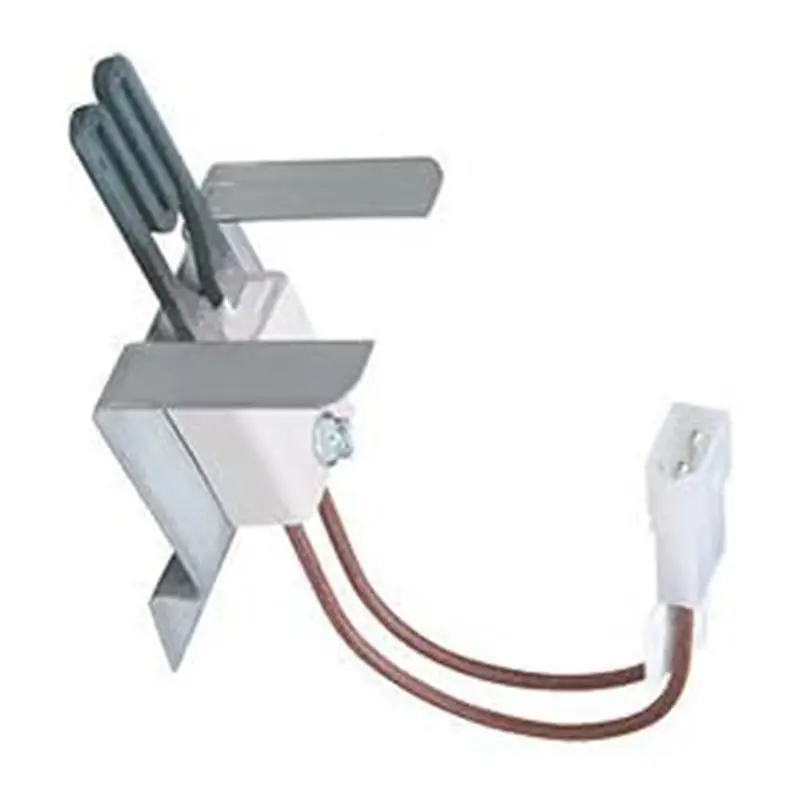
When inventory accuracy hits around 95%, most distributors see their order fulfillment rates jump to about 98%. This kind of performance matters a lot when it comes to keeping contractors coming back for more parts. The numbers get even better with advanced cycle counting systems. These tech solutions cut down on picking mistakes by roughly two thirds compared to old fashioned manual checks. Technicians end up getting what they need - things like oven igniters or those tricky drain pumps for washing machines. Barcode scanners and RFID tags make all the difference too. Companies that implement these verification methods typically hit shipping accuracy rates of nearly 99.4%. Fewer returned parts because something was mixed up means happier customers overall and fewer headaches for everyone involved in the supply chain.
Today's distribution companies are looking for systems that give them eyes on everything happening in real time throughout their operations. The best platforms out there combine IoT sensors with barcode scanners to keep tabs on individual product movements from when they arrive at the warehouse until they leave for delivery. Moving to cloud-based systems cuts down those pesky manual errors by around 43% according to Ponemon research in 2023, plus these systems automatically update inventory information across ERP and online sales channels. When shopping for new software, warehouse managers should definitely make sure it works well on mobile devices and has good API connections so all departments can share data without creating separate information islands.
Modern machine learning systems look at around 18 different factors when trying to predict what customers will need next. Things like how seasons affect buying habits and patterns in repair requests from technicians all get factored in. The result? These models can guess pretty accurately about future demand, hitting the mark about 92 times out of 100. They're really good at spotting weird trends too. For instance, we've seen cases where fridge compressor orders jump by about 30% during those brutal summer heat waves, which helps stores stock up before problems happen. When companies pair these smart predictions with real time info on how long suppliers take to deliver parts, something interesting happens. Service levels stay rock solid at around 98%, but they don't need to keep as much extra inventory lying around anymore. Some businesses report cutting their safety stock needs down by nearly a quarter using this approach.
An HVAC parts wholesaler based in the Midwest figured out how to tackle their ongoing problems with motor and valve shortages by bringing predictive inventory software into their existing ERP system. What this meant was that whenever stock levels dipped below certain points set by the system, purchase orders would pop up automatically. The software didn't just look at basic inventory numbers either—it took into account things like how many service calls were happening across different regions plus any weather issues affecting operations. After about half a year using this approach, they saw some pretty impressive results: stockouts dropped by around 30 percent, inventory turnover improved for nearly 80 different product codes, and they managed to cut down on excess inventory expenses by roughly $127k each year according to data from the 2024 Supply Chain Analytics Report.
 Hot News
Jointgo is a leading home appliance parts factory with over 20 years of production experience. We specialize in manufacturing dryer parts, washing machine parts, kitchen appliance parts, etc. Factory direct sale, wholesale price, fast shipment. Our products are compatible with major brands like Whirlpool, LG, and Samsung. Customization services are available. Trust us for all your home appliance parts needs.
Copyright © 2025 by Ningbo Jointgo Electronics Co., Ltd. Privacy Policy
 EN
EN